
Diseases
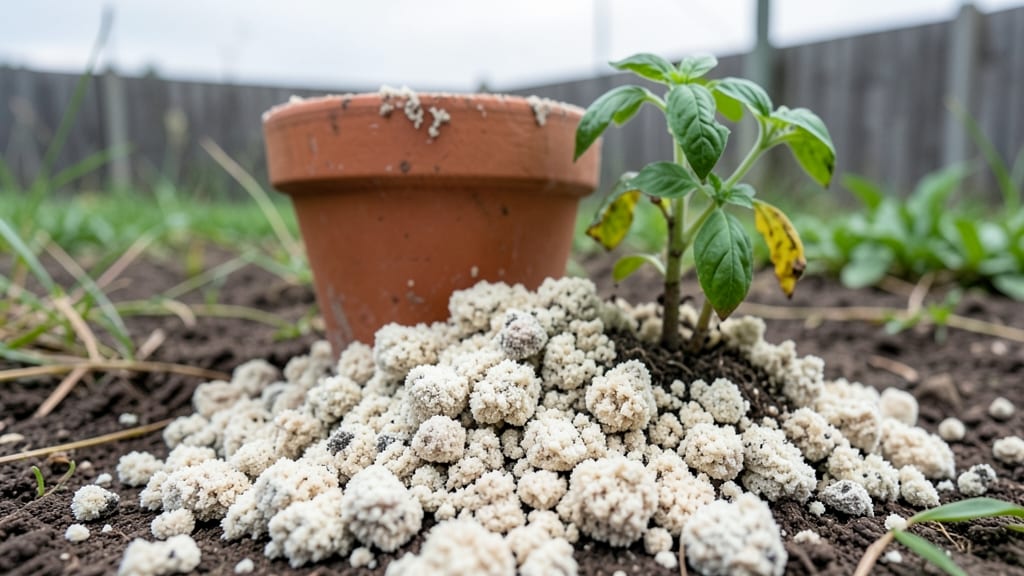
That white garden mold spreading like confetti across your plants isn’t just ugly—it’s an uninvited fungal rave. I've battled white garden mold in both my vegetable beds and houseplants, and I've learned the three simple steps that actually work without harsh chemicals.
The key is acting fast before it spreads to your prized tomatoes or impatiens.
Most white mold is harmless to humans but can weaken plants, leaving them vulnerable to pests. Overwatering, poor airflow, and humidity create the perfect breeding ground. I used to think all white mold was the same, but powdery mildew on roses and downy mildew on lettuce need different fixes.
The good news? You can reverse it with basic tools you likely already own.
Within a week of proper treatment, you'll see fresh green growth pushing through. The secret isn't complicated—it's about removing infected parts, improving airflow, and applying the right organic spray. My basil plants went from looking like they'd been dusted with flour to thriving in just 10 days using this method.
This approach works for garden beds, containers, and even indoor plants. The same principles apply whether you're dealing with a small houseplant outbreak or a full-blown yard infestation. Let's get those plants back to their healthy selves without breaking the bank or the environment.
The Hidden Triggers Behind Fungal Growth
White garden mold isn’t just an unsightly nuisance—it’s a sign your soil’s delicate balance has been disrupted. Understanding the root causes helps you tackle the problem at its source. Let’s break down the science behind why this fuzzy invader takes over your garden beds, containers, and mulch.
Fungi thrive in damp conditions because they rely on water to spread their spores and absorb nutrients. When soil stays soggy for extended periods—whether from overwatering, poor drainage, or heavy rainfall—you’re essentially creating a fungal paradise. Here’s why:
- Oxygen deprivation: Waterlogged soil pushes out oxygen, creating anaerobic conditions that favor fungal growth over beneficial bacteria and microbes.
- Spores germinate faster: Fungal spores need moisture to activate. A consistently damp environment turns your garden into a spore buffet.
- Decay accelerates: Organic matter (like fallen leaves or mulch) breaks down faster in wet soil, releasing nutrients that feed mold.
Actionable fix: Test your soil’s drainage by digging a 6-inch hole and filling it with water. If it drains in less than 30 minutes, you’re golden. If not, amend with perlite, sand, or compost to improve aeration.
Leaves, grass clippings, and plant residues may seem harmless, but they’re a smorgasbord for mold spores. As organic matter decomposes, it releases sugars and cellulose—two favorite meals for fungi. The problem worsens when debris piles up in thick layers, trapping moisture and blocking airflow.
Why it happens:
- Slow decomposition: Compacted or shaded mulch decomposes unevenly, creating hotspots for mold.
- Nutrient-rich hotspots: High-carbon materials (like wood chips) decompose slowly, while nitrogen-rich debris (like grass clippings) rots quickly—both scenarios fuel mold.
- Shaded areas: Mulch under dense plants or trees stays damp longer, accelerating fungal growth.
Actionable fix: Rake away thick layers of mulch (keep it 2–3 inches deep) and compost or remove debris regularly. For stubborn mold, soak the area with a 1:10 hydrogen peroxide solution (3% concentration) to disinfect.
Fungi love warmth and humidity, with the sweet spot for white mold typically between 60–80°F (15–27°C). High humidity (above 70%) creates an ideal environment for spores to germinate and spread. Even in cooler climates, mold can persist if conditions stay consistently damp.
Key triggers:
- Morning dew: Prolonged moisture on leaves or mulch gives fungi a head start.
- Poor airflow: Crowded plants or dense mulch trap humidity, mimicking a greenhouse effect.
- Seasonal shifts: Spring and fall are peak times for mold outbreaks due to fluctuating temps and frequent rain.
Actionable fix:
- Space plants 12–18 inches apart to improve airflow.
- Water in the early morning so foliage dries by nightfall.
- Use a hygrometer to monitor humidity; aim for <60% in garden areas.
Pro tip: 🌡️ If your region is humid year-round, opt for gravel or mineral-based mulch (like lava rock) instead of organic options.
Stressed or unhealthy plants are like open doors for mold. When roots struggle to absorb nutrients or leaves are damaged, the plant’s natural defenses weaken, making it easier for fungi to latch on. Common stressors include:
- Over- or underwatering: Both extremes disrupt nutrient uptake.
- Nutrient deficiencies: Lack of nitrogen, phosphorus, or potassium weakens plant vigor.
- Pest damage: Chewed leaves or roots create entry points for fungal spores.
- Transplant shock: Newly planted specimens are vulnerable until their roots establish.
Actionable fix:
- Fertilize with a balanced, slow-release fertilizer (10-10-10 ratio) to boost plant health.
- Inspect plants weekly for pests (like aphids or spider mites) and treat early with neem oil.
- Mulch with compost (not fresh wood chips) to slowly release nutrients.
Pro tip: 💪 Hardened plants fight mold better—acclimate new plants gradually to outdoor conditions before planting.
Fungi prefer slightly acidic to neutral soil (pH 6.0–7.0), but extreme pH levels or improper fertilizers can tip the scales in their favor. For example:
- High nitrogen fertilizers: While they promote lush growth, they can also create soft, sugary plant tissue that mold loves to colonize.
- Low pH (too acidic): Soil below pH 5.5 inhibits beneficial microbes but can encourage certain fungi.
- Salt buildup: Overuse of synthetic fertilizers or tap water high in minerals can stress plants, making them mold magnets.
Actionable fix:
- Test your soil’s pH with a home kit or send a sample to a local extension office. Adjust with lime (to raise pH) or sulfur (to lower it).
- Switch to organic fertilizers (like compost tea or worm castings) for a slower, plant-friendly nutrient release.
- Flush soil annually with water to reduce salt buildup in container gardens.
Quick Fixes for Fungal Foes
White garden mold isn’t just unsightly—it can weaken plants, rot roots, and even spread to your entire yard if left unchecked. The good news? With the right approach, you can banish it fast and keep it from returning.
Below, we’ll map out targeted solutions based on the root cause of your mold problem, plus prevention tips to lock in long-term success. No fancy tools or chemicals required—just smart, practical steps!
If your soil stays soggy or feels like wet clay, white mold thrives in the damp, oxygen-starved conditions. Here’s how to dry it out and improve airflow:
💦 Step 1: Reduce Watering Immediately
- Stop watering until the top 2–3 inches of soil feel dry (stick your finger in to test).
- Water deeply but less often: Aim for 1–1.5 inches per week (including rain) and water at the base of plants, not the leaves.
- Pro Tip: 🌡️ Use a moisture meter or a simple wooden chopstick to check soil moisture—no guesswork!
🌱 Step 2: Loosen the Soil
- Gently rake or fork the top 2–3 inches of soil to break up compaction. This helps water drain and air circulate.
- For heavy clay soil, mix in 1–2 inches of compost or coarse sand to improve drainage.
- Avoid tilling deeply—this can damage roots and spread mold spores further.
☀️ Step 3: Boost Sun & Airflow
- Thin out overcrowded plants to increase spacing by 20–30% (aim for 12–18 inches between plants).
- Prune branches that shade the soil or rub against leaves.
- Quick Fix: 🔥 Place a reflective mulch (like white gravel or light-colored stones) around plants to bounce sunlight onto the soil.
If white mold appears as a fuzzy coating on leaves, stems, or mulch, it’s likely powdery mildew or downy mildew. These spread fast but respond well to natural treatments.
🧼 Step 1: Remove Infected Debris
- Pick off heavily moldy leaves (wear gloves!) and compost them away from the garden—don’t toss them back into the soil.
- For mulch: Rake up and replace any moldy layers with fresh, dry mulch (straw, cedar chips, or pine needles work well).
🍋 Step 2: Spray with Natural Fungicides
Mix one of these in a spray bottle and apply to both sides of leaves and the soil surface:
| Solution | How to Use | Frequency |
|---|---|---|
| Baking Soda Spray | 1 tsp baking soda + 1 quart water + a few drops of dish soap | Every 7–10 days (rotate) |
| Neem Oil Mix | 1 tbsp neem oil + 1 tsp mild soap + 1 quart water (shake well) | Every 5–7 days |
| Hydrogen Peroxide | 1 part 3% H2O2 + 3 parts water (spray in AM only) | Every 3–4 days |
| Milk Spray | 1 part milk + 9 parts water (store in fridge for 3–4 days before use) | Every 5 days |
Pro Tip: ✨ Spray in the early morning so the solution dries before evening humidity sets in.
🌿 Step 3: Prevent Re-Infection
- Water leaves early in the day so they dry quickly.
- Avoid overhead watering—use a soaker hose or drip irrigation instead.
- Space plants properly to improve airflow (aim for 3–4 feet between rows for most veggies).
If your plants look wilted, yellow, or pull up easily (signs of root rot), the mold is attacking underground. Act fast to save your soil’s health.
🚿 Step 1: Drain & Dry the Roots
- Gently dig around the base of affected plants and loosen compacted soil with a fork.
- If roots look mushy or black, trim them back to healthy tissue with sterilized scissors.
- Let the soil dry completely (this may take 3–5 days) before replanting.
🌱 Step 2: Add Fungal Fighters
- Beneficial microbes: Sprinkle mycorrhizal fungi or Trichoderma harzianum (available at garden centers) into the soil to outcompete mold.
- Compost tea: Brew a 1:5 compost-to-water ratio for 24–48 hours, strain, and water the soil with it.
- Copper fungicide: For severe cases, use a copper-based spray (follow label instructions).
🛡️ Step 3: Sterilize & Rebuild Soil
- Solarize the soil: Cover the area with clear plastic for 4–6 weeks in hot sun to kill mold spores.
- Add organic matter: Mix in 3–4 inches of compost or aged manure to improve soil structure and microbial balance.
- Plant resistant varieties: Swap susceptible plants (like tomatoes or squash) for mold-resistant types (e.g., ‘Defiant PhR’ tomatoes or ‘Butternut’ squash).
Once your garden is mold-free, keep it that way with these easy habits:
- 💧 Water wisely: Early morning only, at the base, and avoid wetting foliage.
- 🌿 Mulch right: Use 2–3 inches of straw or wood chips (keep it 2 inches away from plant stems).
- 🌱 Rotate crops: Don’t plant the same family (e.g., nightshades like tomatoes/peppers) in the same spot yearly.
- 🧹 Clean up: Remove fallen leaves, weeds, and debris weekly to deny mold a home.
- 🌡️ Monitor humidity: Use a hygrometer—keep garden areas below 70% humidity when possible.
- 🍋 Natural sprays: Keep a baking soda or neem oil mix on hand for quick treatments.
White mold may seem stubborn, but with these cause-specific fixes, you’ll see results in days—and a fungus-free garden in weeks. Start with the solution that matches your problem, then layer in prevention to keep your plants thriving! 🌱✨
Frequently asked questions
Is white garden mold harmful to my plants?
Yes, most white mold types—like powdery mildew or downy mildew—can weaken plants by blocking sunlight and clogging pores. Severe cases may stunt growth or even kill young plants. However, some surface mold (like harmless white fungal growth) is cosmetic and won't harm healthy plants. Always remove infected leaves and improve airflow to prevent spread.
Can I use vinegar to kill white garden mold?
White vinegar (1:1 ratio with water) can help, but use it carefully! Spray it on leaves in the morning (never at night) to avoid burning plants. For soil mold, mix 1 cup vinegar with 1 gallon water and apply lightly. Test on a small area first—some plants (like azaleas) are vinegar-sensitive.
How do I tell if white mold is powdery mildew vs. something else?
Powdery mildew appears as a white, powdery coating on leaves (often on topsides) and spreads slowly. Downy mildew looks fuzzy and grayish, usually on undersides. Root rot mold appears as white, cottony growth at the soil line. Check for yellowing leaves or wilting—these confirm fungal infection.
Will baking soda really work against white mold?
A baking soda spray (1 tsp baking soda + 1 quart water + a drop of dish soap) disrupts fungal cell membranes. Reapply every 7–10 days during outbreaks. For stubborn cases, alternate with neem oil or hydrogen peroxide. Always spray in the morning for best results.
Can I save plants already covered in white mold?
Yes, but act fast! Prune infected leaves, improve airflow, and apply a fungicide spray (like neem oil). For severe cases, isolate affected plants until they recover. Healthy plants often bounce back within 1–2 weeks with proper care. Remove all moldy debris from the garden area.