
Size
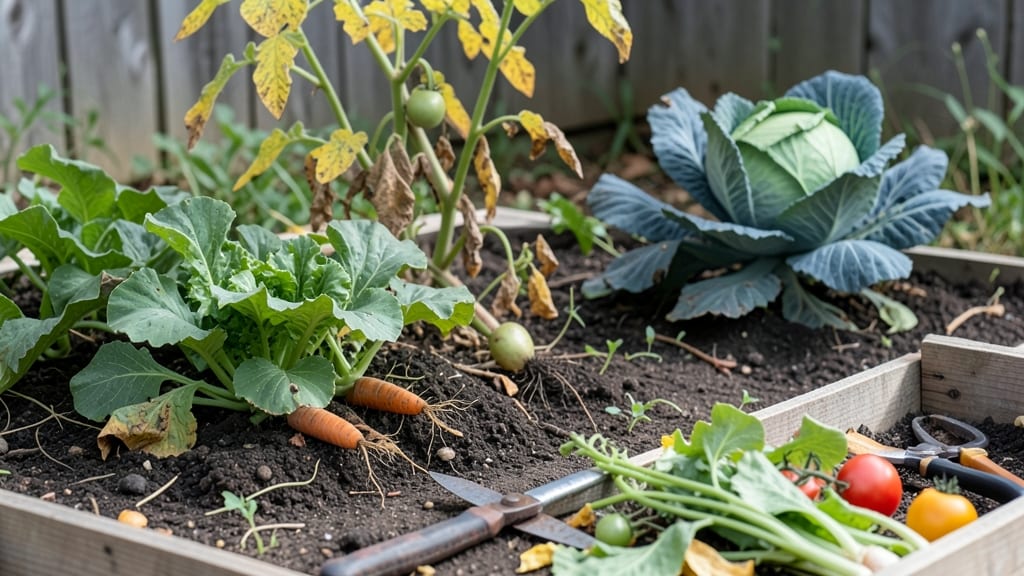
Victory gardens emerged as a direct response to the U.S. government's Food for Freedom campaign, launched in 1942 to reduce pressure on commercial agriculture. 🌱 With millions of tons of food being shipped overseas to support Allied forces, domestic supplies dwindled dramatically—rationing meant families received just 10 pounds of meat per month.
These gardens weren't just about survival; they became a symbol of patriotism, with first lady Eleanor Roosevelt leading by example in her own White House garden.
The effort proved so successful that by 1943, nearly 20 million victory gardens were producing about 40% of all U.S. vegetables, freeing up farmland for war-related crops.
💡 In This Article
- WWII Food Shortages and the Birth of Victory Gardens
- How to Start a Modern Victory Garden Today
WWII food shortages and the birth of victory gardens
The U.S. entered WWII with a food system ill-prepared for total war. By 1942, Axis blockades (particularly Germany's U-boat campaigns) had crippled Allied shipping, causing 1,500+ merchant ships to be sunk annually.
This disrupted imports of staples like coffee, sugar, and fats, while 40% of U.S. farmland was diverted to produce 30 million tons of food annually for troops overseas. The result? Grocery shelves emptied faster than supply chains could replenish them.
Rationing became the government's blunt instrument to manage scarcity. Families received coupons for meat (10 lbs/month), butter (2 lbs/month), and sugar (18 lbs/year), forcing them to rely on staples like potatoes, cabbage, and carrots.
The Victory Garden program was launched with propaganda posters showing 20 million gardens producing 40% of U.S. vegetables by 1943. Even urban dwellers grew 250,000 gardens in New York City alone, using balconies and window boxes.
Labor shortages made matters worse. 16 million Americans served in the military or worked in war industries, leaving 25% fewer farm workers to tend crops. The government responded by encouraging women—especially through the Women's Land Army—to take up gardening.
First Lady Eleanor Roosevelt's White House garden became a national symbol, proving even small plots could yield 200 lbs of produce annually in just 1,000 sq ft.
Economically, victory gardens slashed grocery demand by $1 billion annually (over $15 billion today), easing inflation. Strategically, they freed up 1.2 million acres of farmland for war crops like corn and wheat.
The psychological impact was equally powerful: families saw tangible results of their contributions, while community gardens fostered neighborly bonds during isolation.
What's often overlooked is how these gardens adapted to local conditions. In California, citrus and tomatoes thrived, while Midwestern gardens focused on potatoes and corn. The U.S. Department of Agriculture even distributed free seeds—10 million packets in 1943—tailored to regional climates.
This decentralized approach ensured no single region faced total crop failure.
The program's success wasn't just about food—it was about resilience. When 1944's "Great Ice Storm" destroyed 30% of Florida's citrus crops, victory gardens prevented nationwide shortages. By war's end, Americans had grown 8 million tons of food in these gardens, proving that collective action could outpace industrial supply chains.