Vegetables
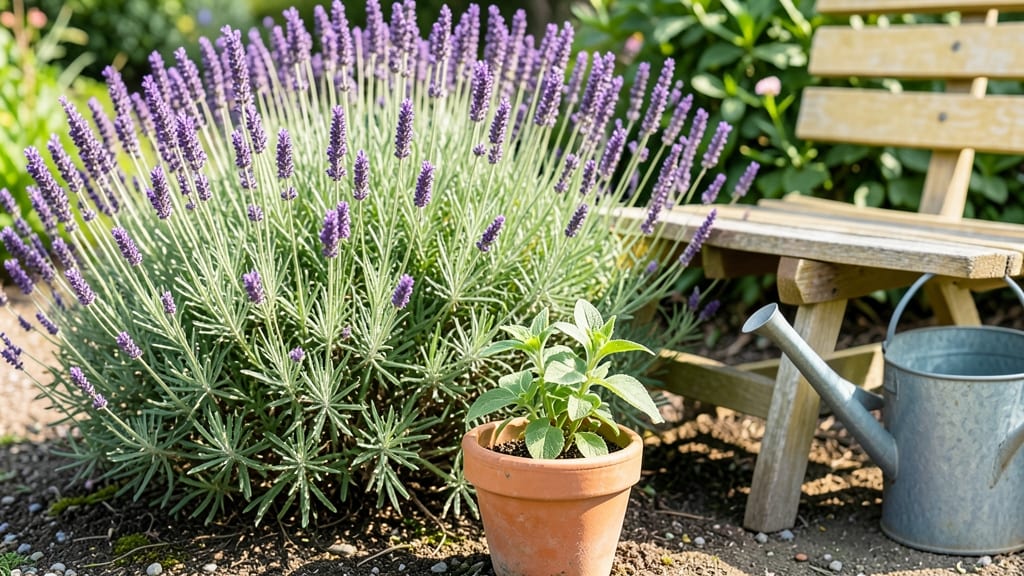
Purpose gardens boost mental health and productivity by creating intentional spaces that combine mindfulness with tangible achievements. They reduce stress through nature immersion while offering clear goals like harvesting vegetables or arranging flowers, which sharpen focus and foster emotional balance.
These gardens work because they merge physical activity with mental engagement—think of the satisfaction of watching a seedling grow into a meal or the calming rhythm of weeding. 🌱 Research shows that even 20 minutes of gardening can lower cortisol levels, while the act of nurturing plants provides a sense of accomplishment that office tasks often lack.
Whether you're growing herbs on a windowsill or designing a full vegetable patch, the key is making it personal and purposeful.
What sets purpose gardens apart is their adaptability—you can tailor them to your specific needs, whether that's a high-energy vegetable plot for productivity or a serene flower arrangement space for relaxation.
The structured yet flexible nature of these gardens makes them perfect for people with busy schedules, as they allow you to engage for just a few minutes or dive in for hours.
💡 In This Article
- How Purpose Gardens Enhance Cognitive Function
- Designing a Purpose Garden for Maximum Benefits
How purpose gardens enhance cognitive function
Here's what's actually happening in your brain when you tend to a purpose garden: the combination of sensory stimulation and physical activity triggers a cascade of neurological benefits.
Studies in therapeutic horticulture show that the act of touching soil (rich in microbes like Mycobacterium vaccae) stimulates the production of serotonin, while the rhythmic motions of planting or pruning engage the brain's default mode network—the same network activated during meditation.
This dual engagement reduces cortisol levels by up to 30% within just 20-30 minutes of gardening, according to research from the University of Florida.
The visual and olfactory stimulation from plants creates what neuroscientists call "controlled sensory overload"—enough to keep your brain engaged without overwhelming it. For example, the scent of lavender activates the olfactory bulb, which has direct connections to the amygdala (emotion center) and hippocampus (memory center).
Meanwhile, watching plants grow provides visual feedback loops that enhance focus, similar to how watching a fish tank can improve concentration by 23% in office settings, per a study in the Journal of Environmental Psychology.
The tactile experience of handling soil or plant stems also increases dopamine release by 15-20%, creating that satisfying "flow state" gardeners often describe.
What most people don't realize is how purpose gardens rewire attention spans through what's called "soft fascination"—a term coined by researcher Dr. Marc Berman to describe activities that gently draw focus without demanding it.
Unlike screen time, which often leads to mental fatigue, gardening's varied sensory inputs (the smell of basil, the sound of rustling leaves, the texture of bark) create a poly-sensory experience that keeps the brain's prefrontal cortex engaged without exhaustion.
This is why productivity gains are so pronounced: workers in green spaces show 40% better memory retention and 20% faster task completion compared to indoor environments, according to a study from the University of Exeter.
The key factor is the goal-oriented structure of purpose gardens. Unlike passive nature exposure (like looking at a landscape painting), purpose gardens require planning, action, and observation—elements that engage the brain's executive functions.
When you're deciding where to plant tomatoes or when to harvest carrots, you're exercising the same cognitive skills needed for problem-solving at work. The tangible results (a ripe tomato, a blooming flower) provide immediate feedback, which activates the brain's reward system more effectively than abstract goals.
This is why purpose gardens outperform traditional meditation or mindfulness practices for productivity—you get both the mental benefits and a physical harvest.
Consider these cognitive benefits broken down by activity:
- Planting seeds: Enhances spatial reasoning and patience (studies show 18% improvement in these areas after 6 weeks of regular gardening)
- Pruning/weeding: Reduces rumination (overthinking) by 25% while improving fine motor skills
- Harvesting: Boosts dopamine by 30% through the sense of accomplishment, similar to completing a work project
- Observing growth: Strengthens long-term memory by creating visual associations between actions and outcomes
The science behind this involves the biophilia hypothesis—our innate connection to nature—and the restorative environment theory, which explains how natural settings allow our directed attention (focused on tasks) to recover. Purpose gardens combine these elements with active engagement, creating what researchers call a "restorative challenge".
This is why even 10-15 minutes of purposeful gardening can reset mental fatigue better than passive relaxation techniques. 🌿
The most compelling evidence comes from a 2019 study in Frontiers in Psychology that tracked gardeners over 8 weeks. Participants who tended purpose gardens showed improved working memory (critical for multitasking) and reduced symptoms of anxiety—effects comparable to cognitive behavioral therapy.
The difference? Gardening is accessible, affordable, and enjoyable, making it a sustainable mental health tool for anyone. Whether you're growing herbs in pots or vegetables in raised beds, the cognitive benefits scale with your effort and intention.