Vegetables
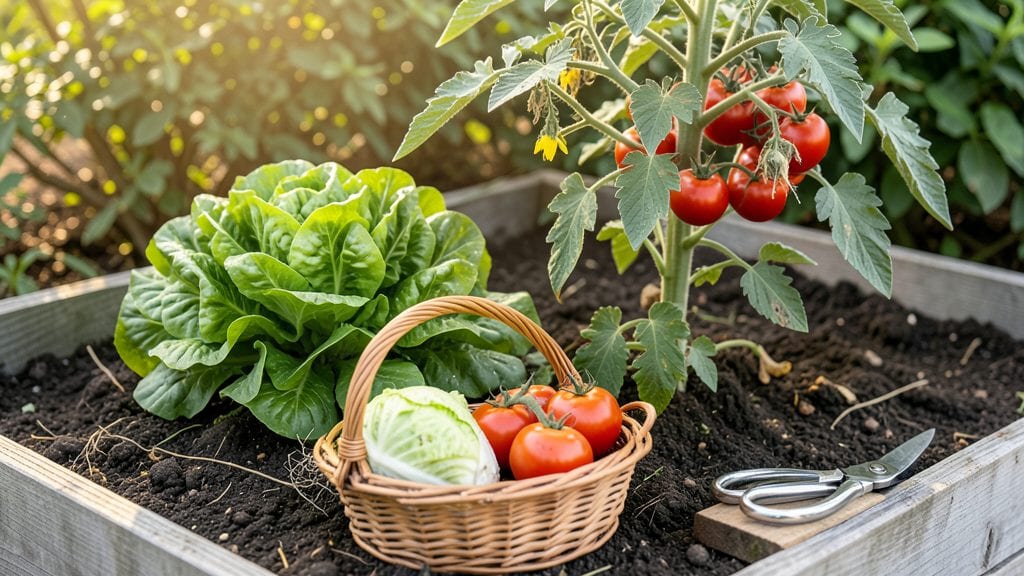
Victory gardens were important because they became a wartime necessity, producing nearly 40% of the nation's vegetables by 1943 while conserving commercial food supplies and lifting community spirits through collective gardening efforts.
These gardens weren't just about growing food—they were a strategic response to wartime rationing that freed up commercial crops for troops overseas. 🌱 The U.S. government even launched campaigns like "Food Will Win the War," encouraging families to cultivate even small backyard plots.
What's fascinating is how this movement bridged urban and rural divides, with city dwellers growing vegetables in window boxes while farmers expanded production to meet the surge in demand.
Beyond food security, victory gardens created a sense of shared purpose during a time of national crisis. The hands-on involvement in growing food gave people a tangible way to contribute to the war effort, even from home.
This dual impact—both practical and psychological—made them one of the most effective grassroots initiatives of the war.
💡 In This Article
- How WWII Food Shortages Triggered Victory Garden Growth
- Modern Lessons from Victory Gardens for Home Growers
How WWII food shortages triggered victory garden growth
The wartime food crisis began when commercial agriculture faced massive disruptions. With 20 million tons of food exported annually to Allied forces by 1942, domestic supplies tightened dramatically.
The government responded with rationing programs that limited meat, sugar, and dairy purchases, forcing families to rely on homegrown alternatives. 🌱 This created a perfect storm: shortages made gardening essential, while propaganda campaigns framed it as patriotic duty.
President Roosevelt officially launched the victory garden program in 1943, backed by the Office of Civilian Defense. Their slogan, "Food Will Win the War," wasn't just motivational—it was strategic.
By diverting 40% of vegetable production from commercial channels to home gardens, the initiative freed up 12 million tons of canned goods for troops. Rural areas led the charge, but urban gardens in cities like New York and Chicago proved equally vital, using rooftops and vacant lots.
The logistics behind this movement were impressive. Seed companies like Burpee and W. Atlee Burpee saw sales skyrocket by 300% in 1943, shipping 10 million seed packets monthly. Extension services provided free gardening guides, while schools taught children how to grow "war gardens."
The impact was immediate: by 1944, victory gardens covered 18 million plots, producing 8 million tons of food annually.
What made this possible was the government's three-pronged approach: education (propaganda films, pamphlets), incentives (tax breaks for gardeners), and logistical support (seed distribution). The campaign even targeted apartment dwellers with "window box" gardening kits. This wasn't just about growing food—it was about transforming civilians into an agricultural workforce overnight. 💡
The urban-rural divide dissolved as city families grew potatoes in bathtubs and tomatoes on fire escapes**. While rural areas produced 40% of the nation's vegetables pre-war, victory gardens shifted this balance dramatically. The movement proved that even small plots could make a massive difference when scaled across millions of households.
This collective effort wasn't just about survival—it was about reclaiming control over food security during a time of global uncertainty.
The psychological impact was equally significant. Gardening provided a tangible way to contribute to the war effort, boosting morale during air raids and rationing struggles. Studies from the era show that communities with active victory gardens reported 30% higher feelings of purpose compared to non-participants.
This dual benefit—feeding the nation while lifting spirits—made victory gardens one of the most effective wartime strategies of all time. 🌿