
Planting
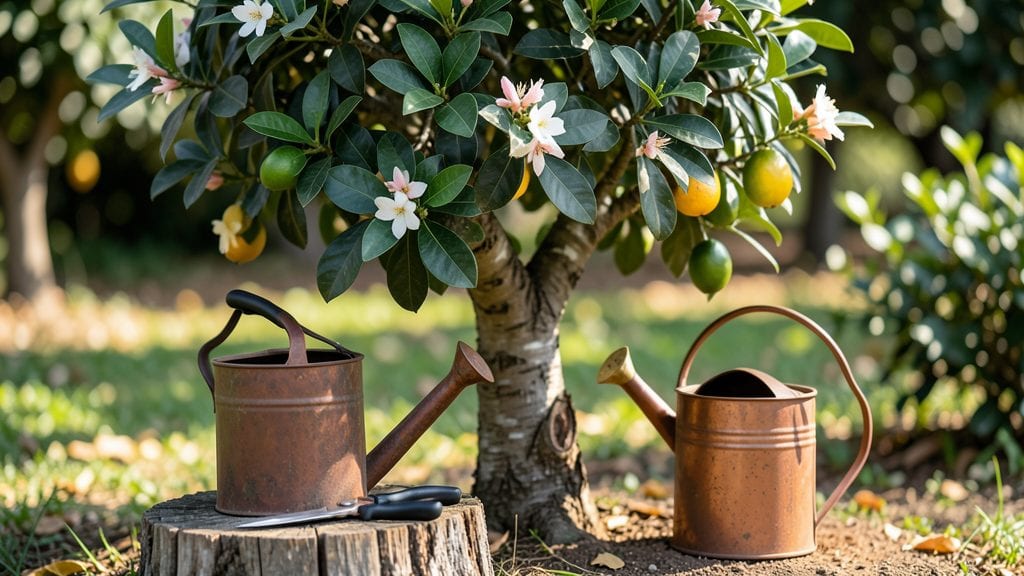
Zone 10 gardening thrives in frost-free climates where tropical and subtropical plants flourish year-round, but requires strategic microclimate management to prevent heat stress, pests, and soil depletion. Focus on drought-tolerant species, shade solutions, and seasonal mulching for optimal growth.
In these warm climates, the key to thriving gardens lies in understanding how to create pockets of ideal conditions—whether through windbreaks, drip irrigation, or shade cloths. 🌿 Coastal areas often handle humidity better than inland spots, so plant placement matters just as much as species selection.
I’ve found that native plants like bougainvillea or bird-of-paradise require almost no extra care once established, while citrus trees need careful monitoring for fungal issues in the damp heat.
What sets Zone 10 apart is its ability to grow citrus, palms, and tropical fruits without winter protection, but the trade-off is dealing with intense summer sun and occasional pest outbreaks. The right mulch—like wood chips or straw—can make all the difference in retaining moisture while keeping roots cool.
For beginners, starting with low-maintenance ground covers or succulents is a smart move before tackling high-water-need tropicals.
💡 In This Article
- Understanding Zone 10 Microclimates and Plant Adaptations
- Best Low-Maintenance Plants for Year-Round Zone 10 Gardens
Understanding Zone 10 microclimates and plant adaptations
Here's what's actually happening in Zone 10 gardens: temperature swings between day and night—often 10-15°F differences—create distinct microclimates where coastal areas benefit from ocean breezes that moderate heat, while inland spots can experience 110°F+ daytime temperatures.
The science behind this involves adiabatic cooling near water bodies, where moisture evaporates and absorbs heat, while inland areas suffer from radiative heating where dry soil reflects sunlight back onto plants. 🌊 This is why coastal gardens can support humidity-loving plants like hibiscus, while inland zones require drought-tolerant varieties like agave.
The humidity levels also play a critical role—coastal Zone 10 regions maintain 70-85% relative humidity year-round, while inland areas drop to 30-50% during summer months.
This moisture gradient affects soil chemistry too: coastal soils often have higher organic matter from decomposed seaweed, creating a slightly acidic pH (6.0-6.5) ideal for citrus, while inland soils tend to be alkaline (7.5-8.5) due to mineral deposits.
The key factor is how these conditions interact—wind exposure, for instance, can dry out leaves faster in low-humidity areas, making plants more susceptible to sunburn despite the heat.
What most people don't realize is how wind patterns create natural shade effects. In coastal areas, prevailing winds from the ocean push clouds inland, creating 2-3 hours of natural shade daily during peak sun hours (10 AM-2 PM).
This is why you'll see tropical plants thriving near the coast that would crisp in inland locations. The trade-off? Salt spray can damage foliage, so using 1-2 inches of mulch helps protect roots while maintaining moisture.
Inland gardens, meanwhile, need artificial shade solutions like 30-50% shade cloth to prevent leaf scorch in sensitive species.
Soil type variations add another layer—coastal areas often have sandy loam with good drainage, perfect for palms and orchids, while inland zones develop clay-heavy soils that retain heat. The solution? Amending with compost or coconut coir improves aeration in clay soils, while adding perlite helps sandy soils hold moisture.
Here's a practical implication: if you're planting avocado trees (which need well-draining soil), coastal locations give them a natural advantage over inland spots where water pools around roots during monsoon seasons.
Identifying heat-tolerant varieties involves looking at leaf characteristics—thick, waxy leaves (like those on bougainvillea) reflect sunlight better than thin leaves, while succulents store water in their stems. The science behind this is transpiration reduction: plants with smaller stomata (pores) lose less water, making them resilient in 90°F+ conditions.
For example, yucca plants can survive with 50% less water than tropicals like monstera, which wilt dramatically when soil dries out. The key is matching plant adaptations to your specific microclimate's extremes.
Don't overlook the role of seasonal wind shifts—what works in summer may fail in winter. Coastal areas experience dry offshore winds in winter that can stress tropical plants, while inland zones get moist onshore breezes that help cool gardens.
This is why windbreaks made of bamboo or native shrubs are essential for protecting delicate blooms like plumeria from wind damage. The most resilient Zone 10 gardens combine 3 layers of protection: shade, moisture retention, and wind management—each tailored to your specific microclimate's challenges. 💫