
Planting
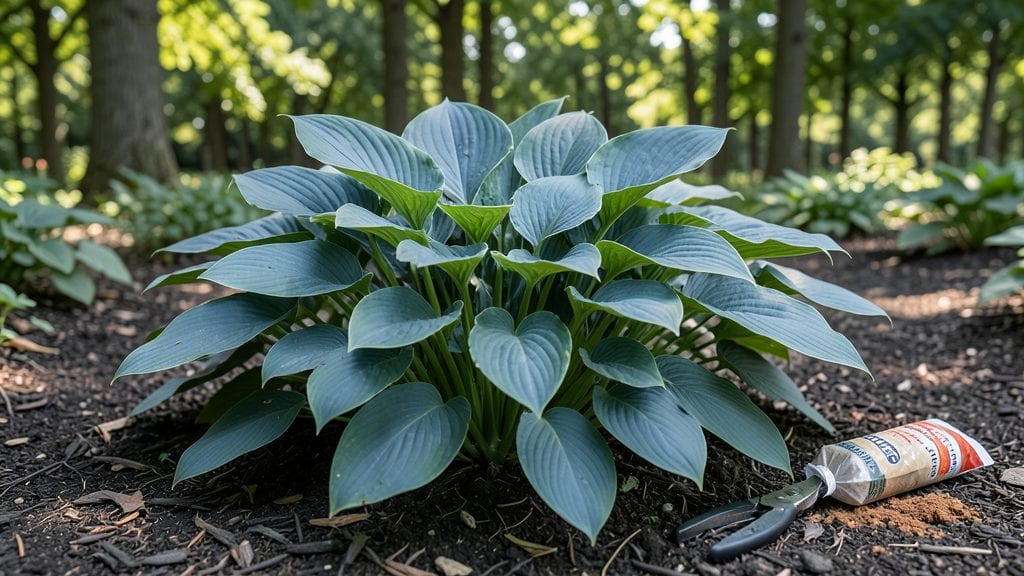
Zone 4 gardening thrives in regions with average minimum winter temperatures of -30°F to -20°F, requiring cold-hardy plants like coneflowers, Russian sage, and winter wheat. Focus on layering mulch, selecting native species, and extending seasons with cold frames or row covers.
Gardening in Zone 4 means working with nature’s toughest conditions—freezing winters and short growing seasons—but it also opens doors to resilient plants that thrive where others fail. 🌱 The key is leveraging the right techniques: thick mulch layers (like straw or leaves) insulate roots, while native perennials like catmint or butterfly weed demand less maintenance.
Many gardeners in this zone also use row covers or cold frames to coax an extra month of growth from spring and fall, turning challenges into opportunities for longer harvests.
What sets Zone 4 apart is how microclimates play a role—urban areas may trap heat slightly better than rural spots, and slopes can dry out faster. This variability means testing soil drainage and wind exposure becomes just as important as choosing cold-resistant varieties.
I’ve seen firsthand how a well-prepared Zone 4 garden can outperform warmer climates with the right planning.
💡 In This Article
- Understanding Zone 4 Climate and Plant Survival
- Top Cold-Resistant Plants and Seasonal Gardening Tips
Understanding Zone 4 climate and plant survival
Zone 4's extreme climate isn't just about cold—it's about dramatic temperature swings that challenge plant survival. The USDA defines this zone by average annual minimum temperatures between -30°F and -20°F, but what's more critical is the rapid transitions between freezing nights and warm days.
This fluctuation creates a phenomenon called "temperature inversion," where cold air settles into low-lying areas while higher elevations experience milder conditions. For plants, this means roots may freeze while shoots get a false spring awakening—only to be damaged by late frosts.
The frost dates in Zone 4 are particularly unpredictable. Last spring frosts can occur as late as May 15 in some areas, while fall frosts may arrive by September 20, leaving only about 120 days of consistent growing conditions.
Soil composition plays a crucial role here: clay soils retain moisture and insulate roots better during cold snaps, while sandy soils drain quickly but warm up faster in spring.
This is why native plants like winter wheat (which can survive -40°F) or Russian sage (hardy to -30°F) dominate—their root systems have evolved to handle these extremes.
Microclimates within Zone 4 create another layer of complexity. Urban areas often experience the "urban heat island" effect, where pavement and buildings trap heat, creating pockets that are 5-10°F warmer than surrounding rural areas.
This can allow for slightly earlier planting of heat-loving crops like tomatoes, but also increases stress on plants during heatwaves. Conversely, wind-exposed rural gardens may require windbreaks to protect tender shoots from drying 30-mph winds that can occur even in summer months.
The key is observing your specific microclimate for at least 3 years to identify patterns.
Plant survival in Zone 4 hinges on understanding these three factors: temperature extremes, frost timing, and soil behavior. For example, potatoes can be planted as soon as soil reaches 45°F (about 2-3 weeks before last frost), but must be harvested before September 1 to avoid tuber rot from damp soils.
Meanwhile, perennials like peony roots need 60 days of cold below 40°F to bloom reliably—something gardeners must time carefully. The science shows that plants with thick cuticles (like hostas) or deep root systems (like apple trees) have the best chance of thriving in these conditions.
What most gardeners don't realize is how much the diurnal temperature range (difference between day and night temps) affects plant metabolism. In Zone 4, this range can exceed 40°F in spring/fall, causing plants to "freeze and thaw" repeatedly.
This stress triggers the production of protective compounds like antifreeze proteins in some plants, similar to how animals survive winter. Understanding this helps explain why native perennials often outperform introduced species—they've evolved these natural survival mechanisms over centuries.
Here's what this means practically: if you're planting kale (which tolerates -15°F), choose varieties with blue-green leaves—they contain more protective pigments. For trees, birch bark has natural insulating properties that help protect buds during cold snaps.
The lesson? Zone 4 gardening rewards those who study the science behind their local conditions rather than following generic planting charts.