Planting
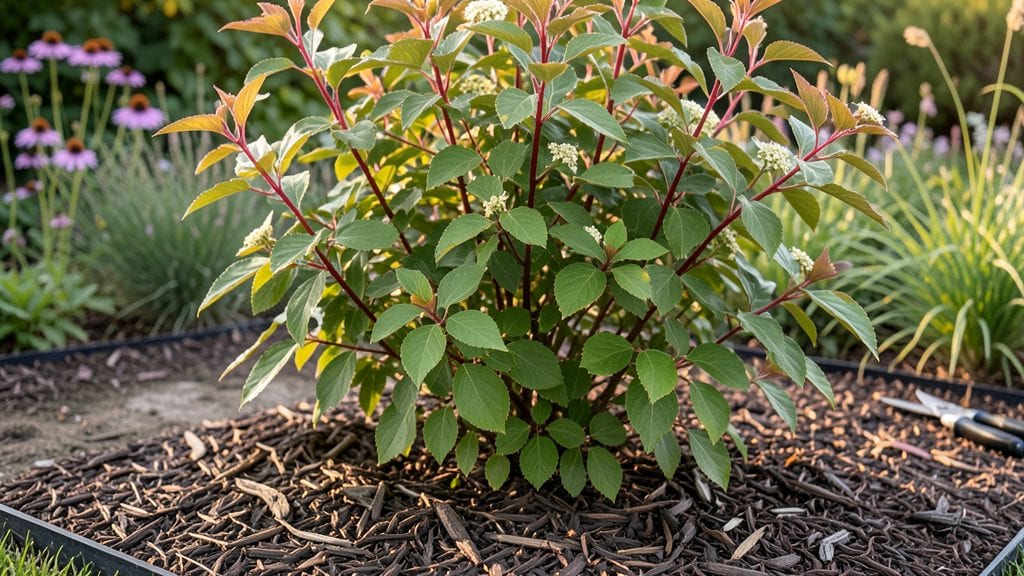
Zone 5 gardening thrives with cold-resistant plants like coneflowers, Russian sage, and hardy perennials that survive temperatures between -15°F and -20°F, while strategic planting, mulching, and seasonal layering extend growing seasons and protect tender crops.
Zone 5's unique climate challenges—long winters and short growing seasons—make plant selection a game-changer. 🌿 The key is choosing perennials that bounce back after frost, like catmint or black-eyed Susans, which not only survive but often bloom more vigorously in cooler weather.
Layering plants by height creates natural windbreaks, while thick mulch layers (3-4 inches) act like a cozy blanket for roots, keeping soil temperatures stable.
I've seen firsthand how these techniques can turn a late spring into a productive one, giving tender veggies like tomatoes a head start before summer's full heat arrives.
What sets Zone 5 apart is how microclimates play into success—south-facing slopes warm up faster, while low-lying areas stay colder longer. That's why I always test soil temperatures before planting warm-season crops, and why I recommend grouping heat-loving plants together near the house or against sunny walls.
The right preparation turns Zone 5's limitations into opportunities for a lush, resilient garden that keeps giving year after year.
💡 In This Article
- Understanding Zone 5 Climate and Plant Hardiness
- Best Cold-Hardy Plants and Year-Round Gardening Tips
Understanding Zone 5 climate and plant hardiness
Zone 5's climate is defined by its -15°F to -20°F winter lows, which creates a unique challenge for gardeners. The USDA hardiness zone system maps these temperatures to plant survival rates, meaning only species that can withstand prolonged exposure to these cold snaps thrive.
This zone experiences 150-200 frost-free days annually, forcing gardeners to work with shorter growing seasons than warmer regions. The key mechanism here is plant dormancy—hardy perennials like coneflowers and Russian sage enter a metabolic slowdown during winter, preserving energy while their protective woody stems shield delicate tissues from freezing.
Soil temperatures play a critical role in Zone 5 gardening success. The ground often stays below 50°F until late spring, which is why cold-tolerant crops like kale and spinach can be planted weeks before tomatoes.
Microclimates further complicate this—south-facing walls can create 5-10°F warmer pockets than open garden beds, allowing heat-loving plants to survive where they'd normally perish.
This is why I always recommend testing soil temperatures with a probe before planting warm-season vegetables, as even a 5°F difference can mean the difference between thriving and failure for tender crops.
The seasonal shifts in Zone 5 create distinct gardening phases. Spring arrives gradually, with average last frost dates ranging from April 15 to May 15 depending on location. This transition period is perfect for cold-hardy perennials that can handle light frosts while new growth emerges.
Summer brings 75-85°F daytime highs, but nights often dip below 50°F, which is why mulching becomes essential—it maintains soil moisture and prevents temperature swings that stress plants.
The real magic happens in fall when many perennials actually rejuvenate after summer heat, storing energy for next year's growth while annuals complete their life cycles.
What most gardeners don't realize is how wind patterns affect plant hardiness in Zone 5. Cold air sinks, creating temperature inversions where low-lying areas can be 5°F colder than higher elevations.
This is why I always plant windbreaks—even a simple row of arborvitae shrubs can create a 10°F warmer microclimate downwind.
The same principle applies to container gardening: pots absorb and radiate heat differently than in-ground soil, which is why I recommend using black plastic containers for early spring starts—they warm up 10-15°F faster than regular pots when placed on dark surfaces.
The science behind plant hardiness involves cellular adaptations. Hardy perennials produce antifreeze proteins that prevent ice crystal formation in their cells, while others increase their sugar content during winter, acting as a natural cryoprotectant. This is why daylilies and hostas can survive -20°F while many annuals wilt at 32°F.
Understanding these mechanisms helps explain why some plants rebound beautifully after winter dieback while others struggle to recover. The right plant selection turns Zone 5's challenges into opportunities for a garden that not only survives but thrives across seasons.