
Planting
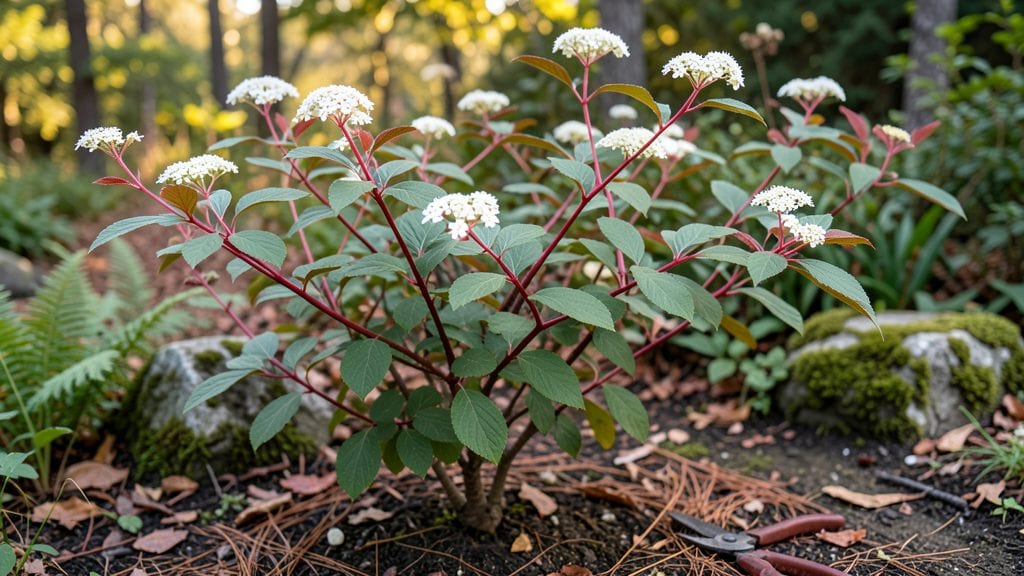
Zone five gardening isn’t about fighting the cold—it’s about working with it. 🌱 I’ve grown the hardiest perennials here for years, and the key is choosing plants that wake up early, handle late frosts, and still put on a show when summer fades.
The right selection means less fuss and more blooms from spring through fall.
Think coneflowers that bounce back after snow, lavender that thrives in poor soil, and catmint that spreads like a living ground cover. These aren’t just survivors—they’re stars.
You’ll also need to time your planting around mid-April to early May for most perennials, with a few cold-hardy varieties like hellebores going in the fall. Mulching in late fall keeps roots cozy through winter.
By next summer, your garden will be a lush, low-maintenance oasis that outlasts the heat and humidity. The perennials return bigger and bolder each year, while the soil stays rich from their deep roots. No more replanting annuals every season—just reliable beauty that comes back stronger.
Works for sunny borders, shady corners, or even container gardens on patios. The same principles apply whether you’re filling a small yard or a large landscape. Let’s get those cold-hardy plants in the ground!
📚 In This Guide
- What you need
- Instructions
- Tips and common mistakes
- Wrapping up and next steps
What you need
- ● Cold-hardy perennial plants: Choose from coneflowers, black-eyed Susans, lavender, Russian sage, or sedum (5–10 plants, depending on garden size). Opt for Zone 5-hardy varieties (USDA Zone 5 or lower).
- ● High-quality soil: 1–2 cubic yards of well-draining, nutrient-rich soil (amend with compost if needed).
- ● Organic mulch: 2–3 inches of straw, wood chips, or shredded leaves to insulate roots in winter.
- ● Garden tools: Trowel (for transplanting)
- ● Garden fork (for loosening soil)
- ● Pruners (sharp, sterilized)
- ● Gloves (heavy-duty for protection)
- ● Watering supplies: Hose with adjustable nozzle or watering can (for precision).
- ● Fertilizer: Slow-release balanced fertilizer (10-10-10) or organic options like compost tea.
- ● Drip irrigation system: For efficient watering during dry spells.
- ● Garden stakes or labels: To track plant varieties and growth.
- ● Winter protection: Burlap or frost cloth for tender perennials in harsh winters.
- ● Soil pH tester: Ensure your soil is in the ideal range (most perennials prefer 6.0–7.0).
How to select and plant cold-hardy perennials for Zone Five gardens
Here's my go-to approach for choosing perennials that bounce back every spring—no fuss, just reliable beauty.
🌱 Step 1: Choose the Right Perennials for Zone Five
Zone Five's 24-30°F winters rule out tender tropicals, but plenty of hardy perennials thrive here. I focus on plants with USDA Zone 5 labels—look for labels like "Zone 3-8" or "Zone 4-9" to ensure they'll survive your winters. Coneflowers, black-eyed Susans, and hostas are my top picks because they handle freeze-thaw cycles without complaint.
Dig into the plant tags at nurseries—they list cold tolerance, sunlight needs, and mature size. I avoid anything labeled "Zone 6+" unless it's a well-established cultivar with a proven track record in colder climates. For example, Russian sage and catmint handle Zone Five winters beautifully once established.
☀️ Step 2: Pick Planting Locations Based on Sunlight Needs
Zone Five gardens have hot summers and cold winters, so sunlight exposure changes dramatically. Observe your yard: South-facing areas get the most sun (6+ hours daily), while north-facing spots stay shadier. Place sun-lovers like daylilies and lavender in full sun, and partial-shade plants like astilbes or ferns in spots with 3-6 hours of light.
I always sketch a rough layout before planting. For example, I tuck Russian sage (which needs full sun) near the south side of my house, while hostas (which prefer partial shade) go under the tree line. This ensures each plant gets the right conditions to thrive through Zone Five's swinging seasons.
🪴 Step 3: Prepare the Soil for Planting
Zone Five soil can be heavy clay or sandy loam, so I always amend it before planting. Work in 2-3 inches of compost or well-rotted manure to improve drainage and fertility. I avoid fresh manure—it burns roots and can attract pests. For tough clay soil, I mix in pearlite or coarse sand to loosen it up.
Test the soil pH if possible—most perennials prefer 6.0-7.0. If your soil is too acidic (common in Zone Five), add lime to raise the pH. Dig a hole twice as wide as the root ball but only as deep as the plant's container. This gives roots room to spread without sinking too low.
💧 Step 4: Plant and Water for Strong Establishment
Remove the plant from its container and loosen the roots if they're circling. Place it in the hole so the top of the root ball sits level with the soil surface—burying too deep can suffocate the plant. Backfill with native soil (not amended mix) and water deeply to settle everything in place.
After planting, water thoroughly until moisture reaches 6 inches deep. Mulch with 2-3 inches of shredded bark or straw to retain moisture and protect roots from freeze-thaw cycles. I water once a week during the first growing season, but adjust based on rainfall—Zone Five summers can be dry, so keep an eye on soil moisture.
⏰ Step 5: Mulch and Protect Through First Winter
Once planted, mulch heavily (3-4 inches) in late fall to insulate roots from Zone Five's harsh winters. I use straw or shredded leaves because they break down slowly and improve soil as they decompose. Avoid thick layers of fresh leaves—they mat down and suffocate plants.
For newly planted perennials, I add a light frost blanket over sensitive plants (like peonies) during the first winter to help them establish strong root systems. After that, most Zone Five perennials handle winters just fine—no extra protection needed. Prune back dead foliage in early spring (when new growth appears) to encourage fresh, vigorous growth.
Tips & tricks for perfect Zone Five perennial planting
These practical strategies will help your cold-hardy perennials thrive through Zone Five's dramatic seasons—no guesswork, just reliable results.
Zone Label Deep Dive: When selecting perennials, don't just check the Zone 5 label—look for the full range. Plants labeled "Zone 3-8" handle Zone Five winters better than those labeled "Zone 5-9" because they've proven resilience through colder temperatures. I always cross-reference with USDA Plant Hardiness Zone Map to confirm. For example, Russian sage (Zone 5-9) thrives in Zone Five, while peony (Zone 3-8) offers extra cold protection for first-year plants.
Sunlight Mapping Trick: In Step 2, when sketching your layout, use a simple sunlight journal for a month to track how sunlight shifts. Mark your yard with stakes showing morning, afternoon, and full-day sun patterns—Zone Five's summer sun arcs differently than winter. This helps you place sun-loving perennials like daylilies in spots that get 6+ hours of summer sun but may have partial shade in winter when branches leaf out.
Soil Amendment Strategy: For Step 3's 2-3 inches of compost, I recommend mixing in 1 part compost to 2 parts native soil—this prevents nutrient overload while improving structure. For clay-heavy soils, add 1 part perlite or coarse sand to 3 parts soil mix to create pockets for root expansion. Test your amended soil's moisture retention by squeezing a handful—it should hold shape but not be soggy. This balance is critical for Zone Five's freeze-thaw cycles.
Winter Protection Hack: When applying the 3-4 inches of mulch in Step 5, leave a small gap (about 1 inch) between the mulch and plant stems to prevent rot. For newly planted perennials, I use straw mulch because it breaks down more slowly than leaves, providing consistent insulation through Zone Five's 24-30°F winters. Pull back mulch in early spring to check for new growth before adding fresh mulch for the season.
Pro Tips for Zone Five Gardening
- These practical strategies will help your cold-hardy perennials thrive through Zone Five's dramatic seasons—no guesswork, just reliable results.
- Zone Label Deep Dive: When selecting perennials, don't just check the Zone 5 label—look for the full range.
- Sunlight Mapping Trick: In Step 2, when sketching your layout, use a simple sunlight journal for a month to track how sunlight shifts.
Frequently asked questions
Got questions about zone five gardening?
You’re not alone! Here are answers to the most common ones to help you grow a resilient, year-round garden.
What’s the best time to plant perennials in zone five?
Plant spring perennials as soon as the soil is workable (around late April to early May), while fall perennials (like asters or sedum) should go in late August to early October. This timing gives roots time to establish before winter’s chill. Pro tip: Avoid planting in extreme heat or frost—roots need stability!
How do I protect perennials from harsh zone five winters?
Most cold-hardy perennials (like coneflowers or Russian sage) handle frost, but mulch heavily (3–4 inches of straw or shredded leaves) to insulate roots. For tender plants, add a light layer of burlap or frost cloth—just remove it in early spring to avoid rot. Bonus: Evergreens like boxwoods may need winter watering if snow is scarce!
Can I grow vegetables in zone five year-round?
While true year-round veggies (like kale or spinach) thrive in zone five, most need seasonal adjustments. Use row covers for early spring/fall crops, and opt for cold-hardy varieties (e.g., ‘Winter Density’ carrots). Hot tip: Succession planting keeps your harvest going—sow fast growers (like radishes) every 2–3 weeks!
What if my perennials die back completely in winter?
Don’t panic! Many perennials (like peonies or hostas) go dormant and regrow from roots. Wait until late winter/early spring (when shoots appear) to prune dead foliage. If nothing returns by mid-April, check for rodent damage or rot—amend soil and replant if needed.
Are there low-maintenance perennials for zone five beginners?
Start with drought-tolerant, self-spreading plants like:
- Black-eyed Susan (golden blooms, minimal care)
- Daylilies (hardy, prolific bloomers)
- Lamb’s ear (silvery foliage, deer-resistant)
- Russian sage (drought-proof, fragrant)
Wrapping up and next steps
Zone Five gardening is all about embracing the chill and celebrating cold-hardy perennials that bring beauty and resilience to your landscape. 🌱 From hardy shrubs like butterfly bush to low-maintenance ground covers like creeping thyme, these plants prove that cold climates can be just as vibrant as warmer ones.
With the right choices and a little care, you’ll enjoy a garden that thrives year-round, even through winter’s frost.
Ready to transform your outdoor space? Start small—pick one or two perennials to test in your garden this season, and watch how they adapt and flourish. Happy planting! 🌿