
Plants
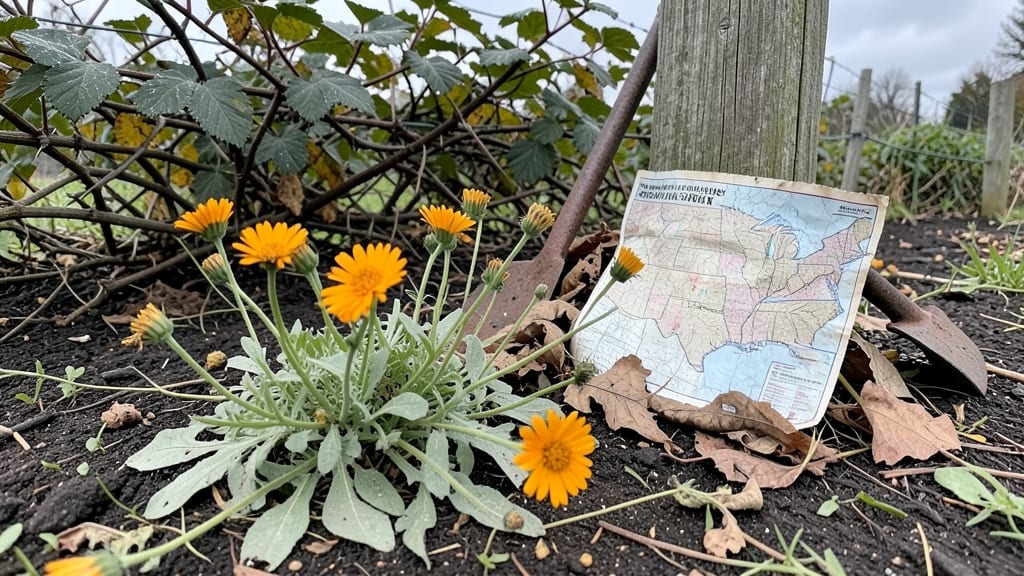
The American Horticultural Society reciprocal garden network connects plant enthusiasts nationwide to swap rare seeds, cuttings, and divisions while supporting conservation efforts through member-driven exchanges and shared expertise. Participation requires AHS membership, and benefits include access to unique plant varieties and gardening resources.
The AHS reciprocal garden network operates like a nationwide plant-sharing community where members trade hard-to-find botanicals while preserving biodiversity. 🌱 Regional coordinators verify rare species to prevent mislabeling, and digital catalogs help you track requests—think of it as eBay meets botanical conservation.
This system isn't just about getting free plants; it's a way to connect with experts who can teach you growing techniques for less common varieties.
For example, if you're struggling to find heirloom tomatoes or native wildflowers, posting a request through the network puts you in touch with growers who've perfected their cultivation.
The best part? Many swaps include growing tips or even seeds from plants that thrive in your specific climate zone—knowledge you won't find in seed catalogs.
💡 In This Article
- How the AHS Reciprocal Garden Network Facilitates Plant Exchanges
- Maximizing Benefits: Tips for Successful Plant Swaps in the AHS Network
How the AHS reciprocal garden network facilitates plant exchanges
The AHS reciprocal garden network operates through a structured digital platform where members post requests for specific plants—like rare orchids or heirloom peppers—and others respond with offerings.
The system uses a points-based system: you earn credits for each healthy plant you share, which can then be used to request other botanicals. This creates a self-sustaining cycle of generosity while ensuring fairness.
Regional coordinators, often experienced horticulturists, review listings to verify species, health, and hardiness zones, preventing mislabeled or non-viable plants from circulating.
Seasonal timing plays a critical role in successful swaps. Most exchanges occur in spring and early summer, when plants are actively growing and easier to transport as cuttings or divisions. For seeds, fall is prime time, as many plants need cold stratification to germinate properly.
The AHS platform includes a built-in calendar that highlights optimal shipping windows based on plant types—like 3-5 days for tropical cuttings (which need humidity packs) versus 7-10 days for hardy perennials (which can tolerate cooler temps). This reduces waste from plants arriving damaged or too late for planting.
For rare or endangered species, the verification process becomes even more rigorous. Members must submit photos and detailed descriptions, and coordinators may request additional documentation, such as propagation records or genetic verification for hybrids. This ensures that threatened plants—like Lady Slipper orchids—aren't accidentally traded as common varieties.
The network also partners with botanical gardens to cross-reference listings, adding an extra layer of authenticity. This transparency builds trust and protects biodiversity, making the AHS system more than just a plant swap—it's a conservation tool.
Digital catalogs serve as the backbone of the network, allowing members to browse offerings by category, region, or maturity stage. You can filter for seed-starting supplies, disease-resistant varieties, or even pollinator-friendly plants, making it easier to find exactly what you need.
The search function even suggests complementary plants—like pairing companion herbs with vegetables—to help you create balanced garden ecosystems. This level of organization turns a simple plant swap into an educational experience, connecting growers with both resources and expertise.
Shipping protocols are designed to minimize stress on plants during transit. The AHS provides standardized packaging guidelines, such as using biodegradable peat moss for root systems or ventilated boxes for cuttings to prevent rot.
For long-distance swaps, members often include care instructions tailored to the recipient's climate zone, ensuring higher survival rates. This attention to detail means you're not just receiving a plant—you're getting a head start on successful cultivation, complete with personalized advice from the sender.
What makes this system truly unique is how it blends technology with community. While the platform handles logistics, regional meetups and virtual workshops allow members to ask questions, troubleshoot issues, and even collaborate on propagation projects.
For example, a member in Zone 5 might swap cold-hardy lavender with someone in Zone 8 in exchange for drought-resistant succulents, while both learn about adapting plants to their local conditions. This two-way exchange of both plants and knowledge is what transforms the AHS network into a dynamic gardening ecosystem.