
Companion Plants
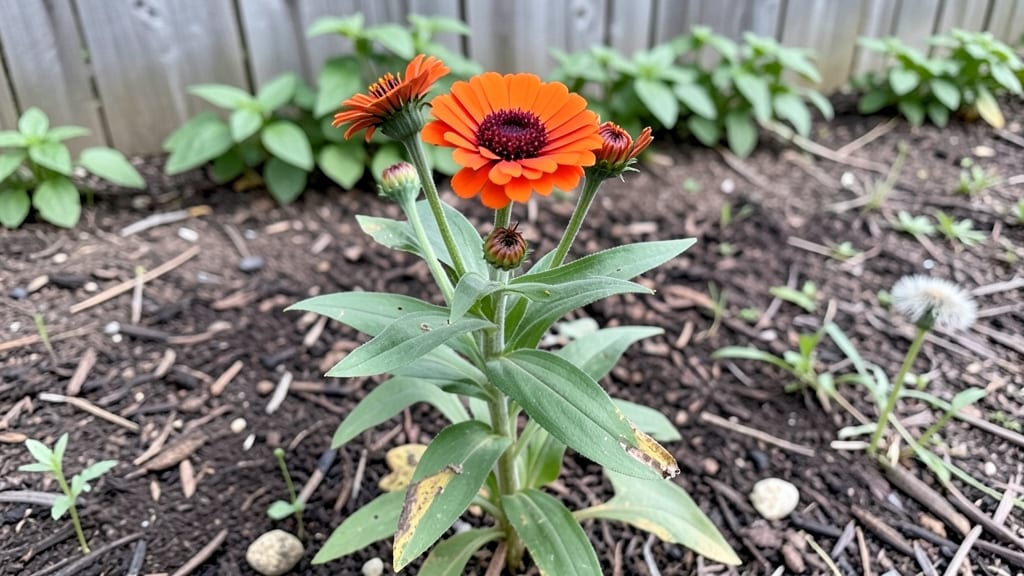
Annual garden plants are the secret weapon for gardens that look effortless all season long—no pruning, no fuss, just constant color. 🌻 I used to dread the gaps in my garden after spring bulbs faded, but annuals changed everything with their bold blooms and carefree nature.
They thrive where perennials struggle, filling every inch with vibrant petunias, cheerful zinnias, or fiery marigolds that last from spring until frost.
The beauty of annuals is their versatility—whether you want a cottage garden overflowing with roses and delphiniums, a modern pollinator haven with salvias and cosmos, or a bright edging of snapdragons and lobelias.
They adapt to any climate zone, from desert heat to cool coastal breezes, and you can swap out varieties seasonally for nonstop interest. Most need just basic soil, sunlight, and regular watering to reward you with weeks of blooms.
Imagine walking past your front yard in July and seeing every bed bursting with color—no deadheading required. Annuals like sunflowers and cosmos grow tall enough to anchor borders, while trailing nasturtiums spill over containers, creating lush, layered displays.
They even attract butterflies and bees, turning your garden into a thriving ecosystem. The key is choosing plants that complement each other in height, color, and bloom time for a seamless, ever-changing show.
Perfect for beginners or seasoned gardeners looking to refresh their space, annuals let you experiment with bold colors and textures without long-term commitment. Start with a few pots or a single bed—you’ll see the difference in just a few weeks.
Here’s how to pick the perfect mix for your garden’s style and climate.
📚 In This Guide
- What you need
- Instructions
- Tips and common mistakes
- Wrapping up and next steps
What you need
- ● Annual plants: 10–20 plants (mix of sun-loving and shade-tolerant varieties like marigolds, petunias, or impatiens). Check seed packets for full sun (6+ hrs/day) vs. partial shade (3–6 hrs/day) needs.
- ● Potting soil: 2–3 bags (1 cubic foot each) of high-quality, well-draining potting mix (look for peat-free options if eco-conscious).
- ● Containers or garden beds: Containers: 5–10 pots (5–10 gallons each) with drainage holes.
- ● Garden beds: 1–2 raised beds or in-ground plots (minimum 12" deep).
- ● Fertilizer: 1 slow-release granular fertilizer (10–10–10 NPK ratio) or liquid feed (like fish emulsion).
- ● Basic tools: 1 trowel or hand shovel.
- ● 1 pair of pruning shears (for cleanup, not heavy pruning!).
- ● 1 watering can or hose with a gentle spray nozzle.
- ● Mulch: 1 bag of organic mulch (e.g., shredded bark) to retain moisture and suppress weeds.
- ● Decorative elements: Garden stakes, pebbles, or solar-powered lights for flair.
- ● Soil amendments: Compost (1–2 bags) to boost nutrient-rich soil.
- ● Plant markers: Labels or flags to track varieties (especially useful for mixed-color displays!).
Step-by-Step guide to planting annuals for season-long color
Here’s how to create a vibrant, low-maintenance display that blooms from spring to frost.
🌱 Step 1: Choose the Right Annuals for Your Climate
Select varieties that thrive in your USDA hardiness zone and match your sunlight conditions. For full sun (6+ hours daily), try petunias, zinnias, or marigolds. Shadier spots? Impatiens, begonias, or fuchsias will shine. I always check the seed packet for days to maturity—planting too early leads to leggy, weak stems before blooms appear.
Group plants by height to avoid overshadowing: tall snapdragons or sunflowers in the back, medium zinnias or cosmos in the middle, and low-growing alyssum or lobelia in front. This creates natural layers and maximizes visual impact. If your space gets afternoon shade, opt for heat-tolerant varieties like dusty miller or coleus—they won’t bolt or wilt like sun-lovers.
🌿 Step 2: Prepare the Soil for Fast Establishment
Loosen the top 6-8 inches of soil with a garden fork or tiller to improve drainage and root penetration. Amend with 2-3 inches of compost (work it into the top layer only—no need to dig deep). Annuals thrive in well-draining soil but need consistent moisture, so avoid heavy clay without organic matter.
For containers, use a lightweight potting mix blended with 20% perlite or vermiculite to prevent compaction. I always test moisture by squeezing a handful—it should hold together but not drip. Overwatering at planting time is a common mistake; roots need air, not soggy soil. Space plants according to their mature width (check the tag) to allow airflow and reduce disease risk.
☀️ Step 3: Plant at the Correct Time for Continuous Blooms
Timing depends on your last frost date and the plant’s cold tolerance. Hardy annuals like pansies or sweet alyssum can go in 4-6 weeks before frost, while tender varieties like geraniums or salvia wait until soil warms to 60°F. I start seeds indoors for heat-lovers like tomatoes or peppers, but for pure color, I focus on transplants.
Dig holes slightly deeper than the root ball to encourage stability, then water deeply to settle the soil. Press gently around the base to eliminate air pockets—this prevents wilting as roots establish. Mulch with 1-2 inches of shredded bark or straw to retain moisture and suppress weeds. Watch for the first flush of new growth (usually within 7-10 days)—that’s your cue to fertilize lightly with a balanced 10-10-10 blend.
💧 Step 4: Water and Feed for Nonstop Color
Water deeply 2-3 times weekly (more in extreme heat) until the soil 6 inches down feels moist. Drip irrigation or soaker hoses are ideal—they deliver water at the roots without wetting foliage, which reduces fungal diseases like powdery mildew. I water in the early morning to allow leaves to dry before evening humidity sets in.
Feed every 4-6 weeks with a low-nitrogen, high-phosphorus fertilizer (like 5-10-5) to encourage blooms over foliage. Deadhead spent flowers regularly—this redirects energy to new buds and extends the season. For example, zinnias self-seed aggressively; I snip them back to the first set of leaves to prompt bushier growth. If leaves yellow between waterings, your plants are thirsty; if they wilt despite moist soil, they’re getting too much sun.
✂️ Step 5: Extend the Season with Simple Tricks
To delay fall frost, cover tender annuals with frost cloth when nighttime temps drop below 40°F. Remove it during the day to let sunlight through. For a second spring burst, sow quick-growing varieties like cosmos or bachelor’s buttons in early fall—they’ll emerge in cooler weather and bloom until winter.
Rotate plants annually to prevent soil-borne diseases. I mark my garden layout with stakes so I don’t repeat the same spot for sun-loving annuals year after year. If you notice pests like aphids or spider mites, blast them off with a strong stream of water before they spread. Aphids love tender new growth, so I inspect the undersides of leaves weekly—early intervention keeps them from becoming a full-blown infestation.
Tips & tricks for perfect annual garden planting
Here’s how to transform your garden into a year-round floral masterpiece with minimal effort—and avoid the common pitfalls that turn vibrant dreams into wilted disappointments.
Climate Matching: When selecting annuals in Step 1, pay special attention to the USDA hardiness zone on seed packets. Some varieties like petunias thrive in zones 7-10, while others like pansies handle zones 3-9. I've learned the hard way that planting heat-lovers like geraniums too early in cooler zones leads to leggy, weak stems that never bloom. Check your zone first—it’s the single most important factor for success.
Soil Preparation Secret: In Step 2, when amending with 2-3 inches of compost, focus on the top layer only. Digging deeper can disrupt soil structure and bring up buried weed seeds. For containers, that 20% perlite or vermiculite blend is non-negotiable—it prevents compaction and mimics the airy texture roots crave. I test moisture by squeezing a handful; if it holds but doesn’t drip, you’re golden. Too much water at planting time suffocates roots before they even establish.
Timing is Everything: The 4-6 weeks before frost window for hardy annuals might seem flexible, but it’s critical. Planting too early exposes tender varieties to cold snaps, while waiting too long risks heat stress. For tender plants like salvia, wait until soil reaches 60°F—I use a soil thermometer to confirm. That first flush of growth within 7-10 days is your green light to fertilize lightly with 10-10-10 blend. Without this cue, you might over-fertilize and burn delicate roots.
Season Extension Hack: When nighttime temps drop below 40°F in Step 5, frost cloth becomes your best friend. Remove it during the day to prevent overheating—this simple toggle extends blooms by weeks. For a second spring burst, sow quick-growing varieties like cosmos in early fall. They’ll emerge in cooler weather and bloom until winter, giving you double the color for half the effort. I mark my garden layout with stakes to rotate spots annually, preventing soil-borne diseases that plague repeat plantings.
Pro Tips for Annual Garden Plants
- Here’s how to transform your garden into a year-round floral masterpiece with minimal effort—and avoid the common pitfalls that turn vibrant dreams into wilted disappointments.
- Climate Matching: When selecting annuals in Step 1, pay special attention to the USDA hardiness zone on seed packets.
- Soil Preparation Secret: In Step 2, when amending with 2-3 inches of compost, focus on the top layer only.
Frequently asked questions
Got questions about annual garden plants?
You’re not alone! Whether you're a newbie or a seasoned gardener, these answers will help you keep your garden vibrant and low-maintenance all year.
What’s the easiest annual plant for beginners?
Start with marigolds or zinnias—they’re tough, colorful, and thrive with minimal fuss. Sunflowers are also great for quick results! Just plant in well-drained soil, water regularly, and watch them bloom. Pro tip: Deadhead spent flowers to encourage more blooms!
When is the best time to plant annuals?
Timing depends on your climate! In most regions, plant cool-season annuals (like pansies) in early spring or fall, while warm-season varieties (like petunias) go in after the last frost. Check your local frost dates—planting too early can shock tender roots.
How often should I water annual plants?
Water deeply 2-3 times per week (more in extreme heat). Annuals like impatiens or coleus wilt fast if dried out. Morning watering is best—it reduces evaporation and fungal risks. Mulch around plants to retain moisture.
Can I grow annuals in containers?
Choose compact varieties like bacopa or geraniums for pots. Use well-draining soil, and ensure containers have drainage holes. Rotate pots occasionally for even sunlight exposure. Just monitor watering—containers dry out faster than garden beds!
How do I keep pests away from my annuals?
Prevent pests with neem oil or companion planting (e.g., marigolds repel aphids). Remove damaged leaves promptly, and avoid overwatering, which attracts slugs. Encourage beneficial insects like ladybugs by planting dill or fennel nearby.
Wrapping up and next steps
Annual garden plants are your secret weapon for effortless, vibrant color—no endless pruning or fuss required! 🌸 From sun-loving marigolds to shade-friendly impatiens, these plants deliver year-round beauty with minimal upkeep.
Whether you're a beginner or a seasoned gardener, they’re the perfect way to keep your space lively without the hassle.
Ready to transform your garden? Start small—pick 2-3 favorites, test them in your space, and let their magic unfold. Happy planting! 🌱