
Vegetables
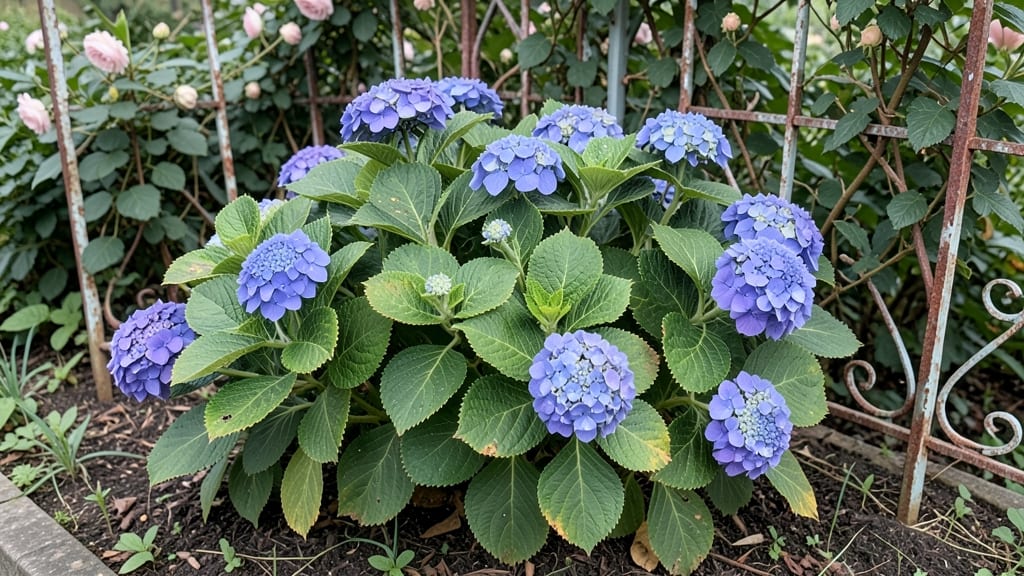
The beautiful secret gardens you’ll love most aren’t the ones on postcards—they’re the ones tucked behind hedges, framed by arches, or hidden along winding paths. Creating a secret garden transforms any space into a fragrant, layered retreat where herbs and edible flowers weave together for both beauty and purpose.
I designed mine along a secluded fence line, where lavender and thyme spill over stone edges, and nasturtiums climb a trellis just out of sight from the house.
This isn’t about grand designs or expensive materials—it’s about strategic layers. Start with a foundation of fragrant herbs like rosemary and oregano for texture and scent, then add edible flowers such as violets and borage for pops of color.
A simple arbor or lattice creates vertical interest, while a curved stone path invites you deeper into the space. Privacy comes from tall grasses, climbing roses, or even a well-placed lattice screen—nothing says "secret" like what you can’t see from the street.
By midsummer, your garden will hum with life: bees foraging on borage, the citrusy tang of thyme brushing your fingers, and the occasional edible bloom tucked into salads.
The real magic happens in the details—a tiny bench tucked under a wisteria, a solar lantern casting dappled light at dusk, or the way the scent of crushed mint lingers in the air. This is a garden meant to be discovered, not displayed.
Works in any size space—urban balconies, suburban backyards, or even a corner of a community garden. The key is intention: every plant, every path, every hidden nook should feel like a deliberate invitation to pause and linger. Let’s bring that quiet magic to your corner of the world.
📚 In This Guide
- What you need
- Instructions
- Tips and common mistakes
- Wrapping up and next steps
What you need
- ● Containers: 3–5 terracotta or ceramic pots (6–12" diameter, with drainage holes)
- ● 1 wooden window box or raised planter (12–18" long, 6–8" deep)
- ● Soil & Amendments: 5–7 gallons of well-draining potting mix (look for "organic" or "herb-specific" blends)
- ● 1 cup perlite or vermiculite (for aeration)
- ● 1 tbsp slow-release organic fertilizer (e.g., fish emulsion or compost)
- ● Herbs & Edible Flowers: 3–5 starter plants (e.g., lavender, rosemary, thyme, basil, or chives)
- ● 5–10 edible flower seeds or cuttings (nasturtiums, violets, or borage work beautifully!)
- ● Tools: 1 hand trowel (for planting)
- ● 1 pruning shears (for trimming)
- ● 1 spray bottle (for misting)
- ● 1 measuring cup (for soil amendments)
- ● Decorative moss or pebbles for a magical touch
- ● Mini fairy lights or solar-powered stakes for evening ambiance
- ● Hand-painted pot markers (use chalk or calligraphy pens!)
- ● 1–2 small watering can (for a vintage feel)
- ● Dried herbs or flowers (to mix into soil for scent)
Step-by-step instructions for creating a fragrant herb and edible flower garden
A layered herb and edible flower garden creates a sensory experience you’ll return to daily.
Choose the Perfect Spot and Prepare the Soil
Select a location with at least 6 hours of sunlight daily—morning sun with afternoon shade works best for tender flowers. Clear the area of weeds and rocks, then loosen the soil to a depth of 12 inches using a garden fork. This ensures roots can spread easily and water drains properly.
Work in 2 inches of compost to enrich the soil naturally. I like to mix it thoroughly with the topsoil so nutrients are evenly distributed. Avoid heavy clay or sandy soil—amend with 1 part peat moss if your soil drains too slowly, or 1 part perlite if it’s too dense. A simple scratch test (squeeze a handful—if it holds a shape, it’s too compact) helps determine what your soil needs.
Plan Your Layers for Height and Fragrance
Start with tall plants like lavender, rosemary, or snapdragons at the back (or center if circular). These anchor the design and provide structure. Next, add medium-height herbs such as thyme, oregano, or marigolds in the middle layer. Finally, fill the front with low-growing edible flowers like nasturtiums, borage, or violets—they’ll spill over edges beautifully.
Space plants based on their mature size: 12-18 inches apart for herbs, 10-12 inches apart for flowers. Group fragrant plants together (like rosemary and lavender) so their scents blend harmoniously. I sketch a rough layout first—it saves time and prevents overcrowding later.
Plant with Care for Long-Term Beauty
Dig holes twice as wide as the root ball but no deeper. Gently remove plants from their containers, loosen tangled roots, and place them in the holes so the top of the root ball sits level with the soil surface. Fill in around the roots with soil, pressing lightly to eliminate air pockets. Water deeply right after planting to settle the soil and encourage root contact.
Mulch with 2 inches of shredded bark or straw to retain moisture and suppress weeds. Keep mulch 2 inches away from plant stems to prevent rot. I water immediately after mulching to help it settle and start protecting the soil. Avoid walking on the bed until plants are established—compacted soil smothers new roots.
Maintain for Continuous Blooms and Fragrance
Water 1-2 inches per week, aiming for deep, infrequent watering rather than frequent shallow soaks. Check soil moisture by pushing your finger 1 inch deep—if it feels dry, it’s time to water. Early morning is the best time to water, as it reduces evaporation and fungal risks.
Deadhead spent blooms regularly to encourage more flowers and prevent self-seeding where you don’t want it. Trim herbs lightly after harvest to promote bushier growth. I also rotate plants seasonally—swapping out tender annuals for hardy perennials in fall keeps the garden vibrant year-round.
Enhance the Experience with Sensory Touches
Add a small stone path or stepping stones to invite exploration without trampling plants. Place a scented candle or wind chime nearby to amplify the garden’s atmosphere. I like to include a few edible flowers like pansies or calendula near seating areas—they’re beautiful and delicious in salads.
Finally, keep a small notebook to track what thrives (or doesn’t) each season. Note which combinations of herbs and flowers bloom together, and adjust your layout accordingly. A well-tended secret garden becomes a living sanctuary—one that rewards curiosity with every visit.
Tips & tricks for perfect fragrant herb and edible flower gardens
Creating a layered herb and edible flower garden is all about thoughtful planning and attention to detail. Here are the insights I’ve gathered over years of tending my own fragrant sanctuary.
The Sunlight Factor: While the instructions mention at least 6 hours of sunlight daily, I’ve found that morning sun with afternoon shade is ideal for tender flowers like nasturtiums and borage. If your garden gets intense afternoon sun, consider adding some taller plants like lavender or rosemary at the back to provide natural shade for more delicate varieties. This creates a microclimate that protects your flowers from wilting while still giving them enough light to thrive.
Soil Preparation Shortcut: Testing your soil’s drainage is crucial, but I’ve discovered a simple trick to speed up the process. After loosening the soil to 12 inches, dig a small hole and fill it with water. If the water drains within a few hours, your soil is well-draining. If it takes longer, you’ll need to amend with perlite. This quick test saves you from guessing and ensures your plants won’t suffer from waterlogged roots.
Plant Spacing Strategy: When spacing your plants, I recommend using a simple measurement trick: hold your hand outstretched with fingers spread. The distance from your thumb to your pinky is roughly 12 inches, perfect for spacing herbs. For flowers, the distance from your thumb to your middle finger (about 10 inches) works well. This visual cue helps you space plants accurately without constantly measuring, and it prevents overcrowding that can lead to competition for nutrients and light.
Seasonal Plant Rotation Wisdom: The instructions mention rotating plants seasonally, but I’ve learned that timing matters. In early fall, when nighttime temperatures start to drop, is the best time to swap out tender annuals for hardy perennials. This gives the new plants time to establish roots before winter sets in. I also make a note of which plants thrive together each season—this helps me create a more cohesive and fragrant garden layout year after year.
Pro Tips for Beautiful Secret Gardens
- Creating a layered herb and edible flower garden is all about thoughtful planning and attention to detail.
- The Sunlight Factor: While the instructions mention at least 6 hours of sunlight daily, I’ve found that morning sun with afternoon shade is ideal for tender flowers like nasturtiums and borage.
- Soil Preparation Shortcut: Testing your soil’s drainage is crucial, but I’ve discovered a simple trick to speed up the process.
Frequently asked questions
about creating your own beautiful secret gardens—where fragrant herbs and edible flowers bloom in layered harmony!What’s the best time of year to plant a secret garden?
The ideal time depends on your climate! For most regions, spring (after the last frost) or early fall (6-8 weeks before the first frost) are perfect. Herbs like basil and thyme thrive in warm soil, while edible flowers (e.g., nasturtiums) often germinate faster in cooler weather. Check your local frost dates for precision.
How often should I water a layered herb and flower garden?
Watering needs vary, but aim for 1–1.5 inches per week, either from rain or manual watering. Layered gardens (like your secret garden) retain moisture better, so focus on deep watering 2–3 times per week rather than light daily sprinkles. Mulch the top layer to lock in moisture—morning watering minimizes evaporation.
Will pests ruin my edible flowers and herbs?
Pests are a common concern, but your layered design acts as a natural deterrent! Interplanting (e.g., marigolds with basil) confuses insects, while fragrant herbs like rosemary repel many bugs. For stubborn pests, try neem oil or handpicking (like aphids on roses). Avoid chemical sprays—edible flowers absorb everything!
Can I create a secret garden in a small space like a balcony or windowsill?
Use vertical planters, hanging pockets, or even repurposed containers (like teacups for thyme). Dwarf varieties of herbs (e.g., French tarragon) and compact flowers (like pansies) thrive in tight spaces. Just ensure 6+ hours of sunlight and well-draining soil—even a 6-inch pot can grow a lush micro-garden!
How do I keep my garden looking “secret” and hidden?
Blend it into your surroundings with natural camouflage! Use tall grasses or ornamental vines (like clematis) as living screens. Paint containers to match your decor, or tuck them behind trellises covered with ivy. For extra stealth, opt for dark or muted foliage (e.g., purple basil) that hides among other plants.
Wrapping up and next steps
Discovering the magic of secret gardens—where fragrant herbs and edible flowers bloom in layered harmony—isn’t just about aesthetics; it’s about inviting life into your space. 🌿 Whether you’re a seasoned gardener or a curious beginner, these lush layers transform any corner into a thriving, sensory haven.
Start small, experiment with textures, and let your garden tell its own story.
Ready to unlock your green thumb? Grab your tools, pick a sunny spot, and begin planting! Your future secret garden is waiting—one layer at a time. 🌸