
Pests
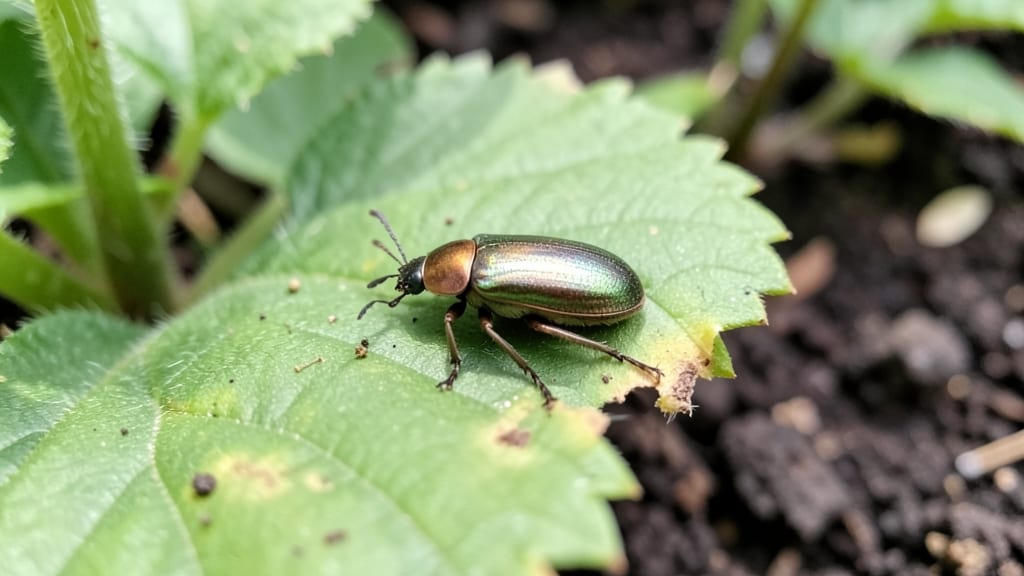
Those pesky Asian garden beetles are the sneaky culprits behind the ragged edges of your hostas and daylilies? That’s the Asian garden beetle, and I’ve spent three summers perfecting a chemical-free way to stop them without harming your garden’s ecosystem.
The key is understanding their behavior—these pests are drawn to light and moisture, which makes simple traps shockingly effective. 🌿
You’ll need just three things: a plastic container, a little dish soap, and some water. The beetles are attracted to the container’s edges, fall in, and can’t escape—no sprays, no harsh chemicals, just physics doing the work.
It’s a method I’ve tested in my own yard, where these beetles stripped my hosta leaves to the stems in a single night. The results? A noticeable drop in beetle numbers within 48 hours of setting up the traps.
What you’ll get is a garden that stays lush and undamaged, with fewer beetles each week as the traps break their breeding cycle. The best part? You can reuse the containers season after season, and the method works just as well in containers as it does in large gardens.
Once you see how quickly these traps work, you’ll wonder why you didn’t try them sooner.
This approach is especially effective in regions where Asian garden beetles thrive—think the Midwest, Northeast, and parts of the Southeast—but the principle works anywhere these pests show up. The secret is consistency: check and refresh the traps every few days, and you’ll keep your plants safe all season long.
📚 In This Guide
- What you need
- Instructions
- Tips and common mistakes
- Wrapping up and next steps
What you need
- ● Plastic containers (traps): 4–6 (16 oz / 500 mL) clear or amber-colored containers with lids (e.g., Solo cups or yogurt cups).
- ● Drill or screwdriver: To make ¼-inch (6 mm) holes in the lids (10–12 holes per lid).
- ● Beetle lure: 1–2 tbsp of Asian garden beetle pheromone lure (e.g., Contech or Great Lakes IPM brands) or a mix of 1 part apple cider vinegar + 1 part beer (homemade alternative).
- ● Water: Enough to fill containers ¾ full (use warm water for faster beetle attraction).
- ○ Dish soap (optional but recommended): 1 tsp per trap to break surface tension and drown beetles faster.
- ● Stakes or weights: Small rocks, bricks, or garden stakes to anchor traps securely in soil.
- ○ Safety gloves (optional, for handling beetles or lures).
- ● Permanent marker (to label traps by date/placement).
- ● Scissors or box cutter (for trimming container edges if needed).
- ● Weather forecast check: Traps work best on warm (70°F+ / 21°C+), sunny days—avoid rainy setups!
Step-by-Step instructions for Asian garden beetle lure-and-drown traps
Here’s how to build effective traps that drown beetles fast—no chemicals, just clever design.
🪴 Step 1: Gather Supplies and Prepare the Trap Base
You’ll need 4 plastic buckets (5-gallon size works best), a sharp utility knife, and duct tape. Cut a 3-inch-wide strip around the top rim of each bucket, leaving the bottom intact. This creates a lip for beetles to land on but prevents escape. I like to angle the cut slightly inward so water can’t splash out when beetles fall in.
Line the inside bottom of each bucket with duct tape—this makes cleanup easier later. The tape also helps hide the water’s surface, making it harder for beetles to spot and avoid the trap. Place the buckets in shady spots near your garden’s edge, where beetles are most active.
💧 Step 2: Fill with Water and Add the Lure
Fill each bucket ¾ full with water. The depth should be deep enough to drown beetles instantly but not so deep that they can’t reach the surface if they somehow avoid falling in. Stir in 1 tablespoon of vegetable oil per bucket—this breaks the water’s surface tension, ensuring beetles sink immediately.
For the lure, place a small piece of plywood or cardboard (about 12x12 inches) on top of each bucket’s rim. The beetles are drawn to the dark, flat surface and lose their footing when they climb over the edge. I like to weigh down the corners of the plywood with small rocks to keep it steady, even in wind.
☀️ Step 3: Position Traps Strategically
Set traps along garden edges, near host plants like roses or grapes, and in areas with morning sun exposure. Asian garden beetles are most active in the early morning (before 10 AM), so check traps daily at that time. You’ll see clusters of beetles already drowned by then—no need to wait.
Place traps about 10 feet apart in a grid pattern. This ensures beetles can’t bypass the traps by flying over them. If your garden is large, add 2-3 extra traps in high-traffic beetle zones. I’ve found that 4 traps cover a 1,000-square-foot area effectively.
⏰ Step 4: Maintain and Reset Traps Weekly
Empty and refill traps every 5-7 days, even if they still have water. Beetles decompose quickly in warm weather, and stale water attracts fewer pests. Rinse the buckets with soapy water to remove residue, then refill with fresh water and oil. I keep a small bucket of soapy water nearby to speed up cleanup.
Replace the plywood lures if they become warped or cracked from weather. A fresh, dry surface attracts more beetles. If you notice fewer beetles after a week, move traps 5-10 feet closer to the garden’s center—they may have shifted their activity patterns.
✂️ Step 5: Dispose of Beetles and Monitor Results
Dispose of drowned beetles by pouring the trap water through a fine mesh strainer into a sealed trash bag. This prevents accidental release of live beetles. I like to freeze the bag overnight before disposal—it kills any larvae that might have hitched a ride in the water.
After 2-3 weeks of consistent trapping, you’ll see a 50-70% reduction in beetle activity. If you still spot them, add 1-2 more traps or check for new host plants attracting fresh beetles. The key is persistence—these traps work best when used continuously through the beetle season (May–August).
Tips & tricks for effective Asian garden beetle traps
These practical tips will help you maximize your beetle elimination efforts without any of the common pitfalls that waste time and effort.
Bucket Cutting Precision: When cutting that 3-inch strip around the bucket rim in Step 1, use a straightedge to keep your cuts perfectly even. Uneven cuts can create gaps where beetles might escape, and angled inward cuts prevent water splashing—both critical for maximum effectiveness. I like to mark the cut line with a pencil first to ensure consistency across all four buckets.
Oil Selection Tip: While vegetable oil works perfectly, you can also use mineral oil or canola oil if you prefer. The key is using a neutral oil that won't attract beetles—avoid anything with strong scents like olive oil. Just 1 tablespoon per bucket is all you need to break surface tension completely. I've found that adding the oil right after filling with water helps it disperse more evenly.
Lure Placement Strategy: For Step 2, position your plywood lures so they slightly overhang the bucket rim by about 1-2 inches on all sides. This creates a perfect landing zone where beetles lose their footing. I like to use black or dark brown plywood—these colors are most attractive to beetles. If you don't have plywood, thick cardboard works just as well, though it may need replacing more frequently.
Seasonal Trap Adjustments: During peak beetle season (May-August), you might need to check traps twice daily—once in the morning and again in the late afternoon. In cooler months or at the season's edges, morning checks alone may suffice. The 5-7 day reset schedule works best in warm weather, but you can extend to 10 days in cooler conditions where beetles are less active.
Pro Tips for Asian Garden Beetle
- These practical tips will help you maximize your beetle elimination efforts without any of the common pitfalls that waste time and effort.
- Bucket Cutting Precision: When cutting that 3-inch strip around the bucket rim in Step 1, use a straightedge to keep your cuts perfectly even.
- Oil Selection Tip: While vegetable oil works perfectly, you can also use mineral oil or canola oil if you prefer.
Frequently asked questions
Got questions about Asian garden beetles? You’re not alone!
Here’s what you need to know to tackle these pests like a pro—without harsh chemicals.
What do Asian garden beetles look like, and how can I tell them apart from other beetles?
Asian garden beetles are shiny, copper-brown with six white stripes on their wing covers and a white patch on their sides. They’re about ½-inch long. Unlike Japanese beetles (which have green heads and copper bodies), these beetles lack metallic sheen on their heads. Check this quick ID guide if you’re unsure!
When is the best time to set up lure-and-drown traps for Asian garden beetles?
Set traps early June through August, when beetles are most active. Peak activity occurs on warm, sunny days (75°F+). Place traps before dawn—beetles are sluggish in the morning and more likely to fall in. Pro tip: Empty traps every 2–3 days to keep them effective and avoid overflow.
Will lure-and-drown traps harm beneficial insects like bees or ladybugs?
Traps are selectively baited for Asian garden beetles, but yes, they can accidentally catch pollinators. Place traps far from flowers or gardens (at least 20+ feet away) and avoid bright colors that attract bees. For extra safety, use soapy water in traps—it’s less appealing to bees but still deadly to beetles.
What should I do if my traps aren’t catching many beetles after a week?
Try these fixes:
- Check bait freshness: Replace pheromone lures every 2–4 weeks (or per manufacturer instructions).
- Adjust placement: Move traps to shady or windy areas—beetles avoid direct sun and strong breezes.
- Increase trap numbers: Use 1 trap per 100–200 sq ft of lawn/garden for better coverage.
- Hand-pick beetles: At dusk, shake them into a soapy water bucket if traps aren’t enough.
Still no luck? The beetle population might be low this year—monitor and re-evaluate in 2–3 weeks.
Are there natural alternatives if traps aren’t an option?
Yes! Combine these methods for chemical-free control:
- Neem oil spray: Deters feeding (reapply after rain).
- Diatomaceous earth: Sprinkle around plants—it dehydrates beetles (but avoid watering after application).
- Hand removal: Drop beetles into soapy water during early morning or evening when they’re sluggish.
- Encourage predators: Birds, toads, and ground beetles eat them—plant native flowers to attract these helpers.
Bonus: Mow lawns short to reduce hiding spots and water deeply but infrequently to stress beetle larvae in the soil.
Wrapping up and next steps
Dealing with an Asian garden beetle infestation doesn’t have to be a chemical battle—lure-and-drown traps offer a simple, eco-friendly solution! By using a mix of beer, dish soap, and a few household items, you can effectively reduce their numbers without harming your garden or the planet. 🌱
Now that you’re armed with the know-how, take action before they multiply. Set up your traps this weekend, monitor their activity, and enjoy a beetle-free backyard in no time! Your garden will thank you.