
Watering
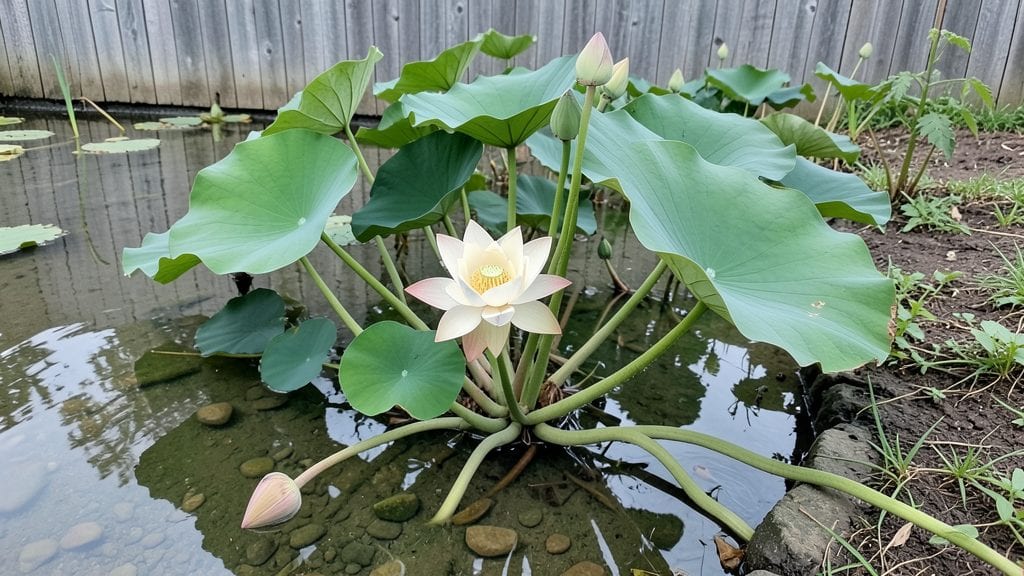
A backyard water garden transforms even a small yard into a tranquil retreat where frogs hum and dragonflies dart. 🌿 I’ll never forget the first time I heard the sound of moving water in my own space—it turned a patch of grass into a living painting.
The key isn’t just the water itself, but how it brings life back to a landscape, whether you’re working with a sunlit corner or a shady nook.
You don’t need a massive space or a complicated setup to get started. A simple 5-gallon pond with a solar fountain can create that same soothing effect, while larger designs can incorporate native aquatic plants that thrive with minimal care.
The best part? These features attract birds, butterflies, and beneficial insects, turning your garden into a thriving ecosystem without extra effort.
Imagine waking up to the gentle sound of water, surrounded by lush foliage and the occasional flash of a blue heron. With the right placement and plant selection, your water garden will feel like it’s always been there—effortlessly beautiful and full of life.
The first step is choosing a spot where the sun and shade balance just right.
Low-maintenance designs focus on hardy plants like water lilies and cattails, which clean the water naturally while adding texture. Whether you’re adding a fountain, a small pond, or a stream, the goal is to create movement that feels organic, not forced.
Let’s make your backyard the kind of place neighbors stop to admire.
📚 In This Guide
- What you need
- Instructions
- Tips and common mistakes
- Wrapping up and next steps
What you need
- ● Excavation: Shovel (flat & round) – 2-3 (for digging and smoothing)
- ● Wheelbarrow – 1 (for hauling soil/debris)
- ● Level – 1 (to ensure even depth)
- ● String line & stakes – 50 ft (for marking boundaries)
- ● Liner & Structure: Pond liner (EPDM rubber or PVC) – Size depends on pond depth/width (e.g., 45-mil thickness for small ponds)
- ● Underlayment fabric – 1 roll (protects liner from rocks)
- ● Pond edge stones or bricks – 50-100 lbs (for borders)
- ● Water Features: Pump (submersible or external) – 1 (1,200-2,500 GPH for small ponds)
- ● Waterfall kit (if desired) – 1 (includes tubing, rocks, and liner)
- ● Skimmer box – 1 (keeps debris out of water)
- ● Plants & Wildlife: Marginal plants (e.g., water lilies, cattails) – 3-5
- ● Submerged plants (e.g., anacharis, hornwort) – 1-2 bundles
- ○ Fish (optional, e.g., koi or goldfish) – 2-4 (if stocking)
- ● LED pond lights – 2-4 (for evening ambiance)
- ● Solar-powered fountain – 1 (eco-friendly movement)
- ● Floating plants (e.g., water hyacinth) – 1-2 (natural filtration)
- ● Decorative rocks/boulders – Varies (for aesthetics and erosion control)
- ● Water testing kit – 1 (to monitor pH, clarity, and health)
Step-by-step guide to building a backyard water garden
Create a peaceful retreat that attracts wildlife while adding beauty to your yard.
🪴 Step 1: Choose and Prepare the Location
Select a level spot that gets 4-6 hours of sunlight daily—morning sun is ideal to prevent algae growth. Avoid low areas where water might pool after rain. Mark the area with stakes and string to outline your 4-foot diameter design, keeping in mind you'll need space for plants around the edges.
Clear grass, weeds, and debris from the marked area. Use the shovel and rake to create a smooth, even base. Compact the soil lightly with the back of the shovel to prevent settling later. This step ensures your water feature stays stable and looks intentional.
💧 Step 2: Install the Pond Liner and Edging
Unroll the 24-square-foot pond liner over the prepared area, letting it extend 6 inches beyond the edges. Smooth out wrinkles and position the liner so it covers the entire basin. Use the landscape fabric to cover the soil edges before adding rocks—this prevents weeds from growing up through the liner.
Arrange the 10 large river rocks around the perimeter as edging, pressing the liner into the soil beneath them. For the center, place the small waterfall rock where you want water movement. This creates natural-looking borders while keeping the liner secure and hidden.
☀️ Step 3: Create the Water Feature Structure
Place the pre-formed pond shell in the center, positioning it so the waterfall opening faces the direction you want movement. Fill the shell with 3 gallons of water—just enough to cover the bottom and start the pump. This initial watering helps settle the liner and test for leaks.
Install the submersible water pump at the base of the waterfall, ensuring the intake tube is fully submerged. Connect the pump to the 12-foot tubing and route it up to the waterfall rock. Turn on the pump and adjust the flow until you see a gentle cascade—this creates the natural movement that attracts wildlife.
🌿 Step 4: Add Plants and Finishing Touches
Plant the 3 water lilies in the pond shell, spacing them evenly around the edges. Press the soil mix into the planting pockets to secure them. For marginal plants, place the 2 cattails and 2 rushes in the soil around the pond's edge, watering them in thoroughly. These plants will thrive in the moist conditions and add natural texture.
Arrange the remaining 12 river rocks around the water feature, creating varying heights and textures. Add the solar-powered LED lights around the perimeter, burying the solar panels in the soil where they'll get sunlight during the day. This completes the serene ambiance while keeping energy costs low.
⏰ Step 5: Maintain and Enjoy Your Water Garden
Check the water level weekly, adding more as needed to maintain 3 gallons total. Use the net and pond vacuum monthly to remove debris and algae. In fall, reduce water lilies by half to prevent overgrowth. These simple steps keep your water garden looking pristine with minimal effort.
Watch for dragonflies, frogs, and birds that will visit your new habitat. Sit near the waterfall and listen to the soothing sounds—this is the moment your backyard transforms into a tranquil oasis. With proper care, your water garden will flourish for years, becoming the heart of your outdoor space.
Tips & tricks for building a backyard water garden
Creating a backyard water garden is easier than you think—these pro tips will help you avoid common pitfalls and create a stunning, functional oasis.
Location is Everything: That 4-6 hours of morning sunlight is crucial for preventing algae growth. I always scout locations on a sunny morning to check for shadows—even small trees can cast unexpected shade. Also, avoid spots where water might pool after rain, as this can lead to soggy ground and unstable foundations. A slight slope works better than a flat area for drainage.
Liner Secrets: When installing your 24-square-foot pond liner, let it extend those 6 inches beyond the edges—this extra material prevents tears when rocks settle. I recommend using a heavy-duty liner if you have sharp rocks or uneven soil. For extra protection, place a layer of underlayment fabric between the liner and soil before adding rocks. This creates a smooth surface and prevents punctures.
Water Feature Flow: The 3 gallons of water in your pond shell is just enough to start the pump, but don't stop there! I like to add an extra gallon to create that satisfying waterfall effect. When adjusting the pump flow, aim for a gentle cascade rather than a rushing torrent—this creates a soothing sound while attracting wildlife. A flow rate of about 20-30 gallons per hour works beautifully for this size garden.
Plant Placement Pro: Those 3 water lilies should be planted evenly around the edges of your pond shell, but don't crowd them. Space them about 12 inches apart to allow room for growth. For the 2 cattails and 2 rushes, plant them in clusters of two near the water's edge—they'll create natural-looking groupings that frame your water feature beautifully. Add a few submerged plants like anacharis if you want extra oxygenation for your aquatic ecosystem.
Pro Tips for Backyard Water Garden
- Creating a backyard water garden is easier than you think—these pro tips will help you avoid common pitfalls and create a stunning, functional oasis.
- Location is Everything: That 4-6 hours of morning sunlight is crucial for preventing algae growth.
- Liner Secrets: When installing your 24-square-foot pond liner, let it extend those 6 inches beyond the edges—this extra material prevents tears when rocks settle.
Frequently asked questions
Got questions about creating your own backyard water garden? You’re not alone! Here are some of the most common queries—and their straightforward answers—to help you plan with confidence.
What’s the best time of year to start a backyard water garden?
The ideal time is early spring (after the last frost) or late summer (before the first frost). This gives plants time to establish roots before extreme temperatures. If you’re in a mild climate, spring is still best—just avoid planting water lilies or tropical plants until water temps are consistently above 60°F.
How do I keep my water garden clean without chemicals?
Start with a balance of plants and fish: Submerged plants (like hornwort) and floating plants (like water hyacinth) absorb excess nutrients. Add a few koi or goldfish to eat algae naturally. Regular partial water changes (20-30% monthly) and a UV clarifier also help. Avoid overfeeding fish—it’s the #1 cause of murky water!
Will a water garden attract unwanted pests like mosquitoes?
Not if designed right! Mosquitoes need stagnant water to breed, so use a small fountain, waterfall, or aerator to keep water moving. Add mosquito fish (gambusia) or dragonfly larvae—they’re natural predators. Shade the water too, as sunlight encourages algae growth, which mosquitoes avoid.
What’s a budget-friendly alternative to a full pond?
Try a container water garden! Use a large, heavy pot (at least 15 gallons), a half-barrel, or even a repurposed livestock trough. Add a pre-formed liner or thick plastic sheeting, and plant water-loving species like pennywort, water lettuce, or dwarf papyrus. A small solar-powered fountain adds movement without breaking the bank.
How do I winterize a backyard water garden?
In cold climates, drain and store tropical plants, and remove pumps/fountains. Leave hardy fish (like koi) in deeper areas with an aerator to keep oxygen flowing. Cover the pond with pond netting to prevent debris buildup. For containers, drain and store upside down to avoid cracking. Pro tip: Add a pond de-icer if you keep water year-round!
What’s the most common mistake beginners make?
Underestimating size and depth! A pond should be at least 18–24 inches deep to support fish and prevent freezing. Shallow edges (for plants) should slope gently to deeper areas. Another pitfall? Skipping a liner—always use a pond-specific liner (not regular plastic) to prevent leaks and root damage.
Wrapping up and next steps
Creating a backyard water garden is more than just a project—it’s a way to transform your outdoor space into a tranquil haven that supports wildlife and soothes the soul. 🌿 Whether you’re drawn to the gentle sounds of flowing water, the beauty of aquatic plants, or the joy of attracting birds and butterflies, this serene oasis is well within reach with the right planning and care.
Now that you’re armed with the materials, design tips, and answers to common questions, it’s time to roll up your sleeves and make your vision a reality!
Start small, observe nature’s flow, and let your creativity guide you—your future self (and local wildlife) will thank you. Ready to dive in?