
Advice
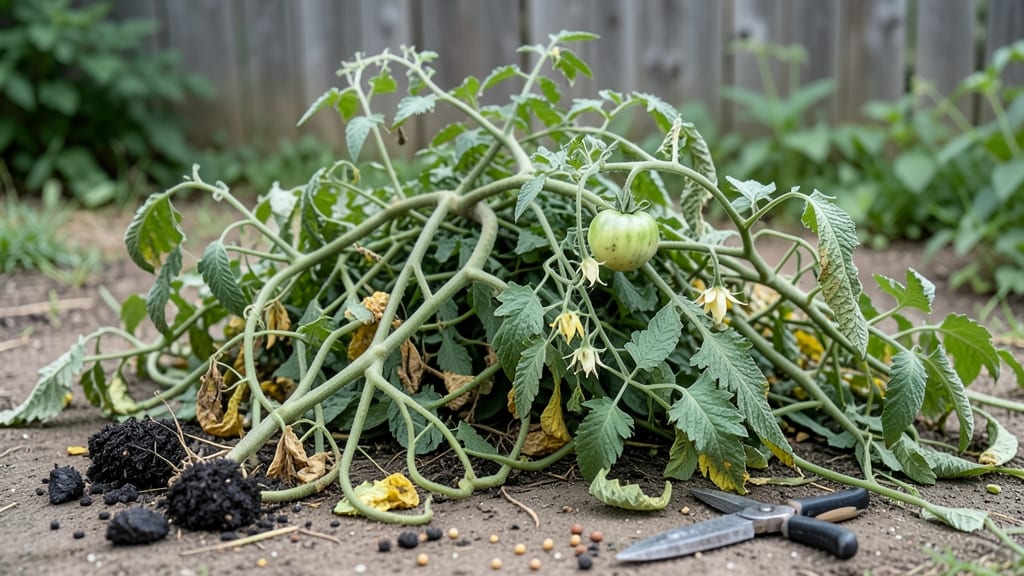
Every gardener I know—myself included—has a plant graveyard story. 🌱 The truth is, bad gardening habits don’t just kill plants; they drain the joy right out of growing. Overwatering, ignoring soil health, or planting too early aren’t just mistakes—they’re silent killers that turn vibrant gardens into sad, struggling patches.
Here’s the kicker: most of these habits start with good intentions. You think you’re helping, but you’re actually suffocating roots, inviting pests, or confusing plants with mixed signals. The fix isn’t complicated—it’s about small, consistent adjustments that turn "why did this die?" into "why didn’t I do this sooner?"
We’ll tackle the top five habits that sabotage gardens, then flip the script with foolproof fixes that actually work. Think of it as a reset button for your green thumb. By the end, you’ll spot these mistakes before they happen—and your plants will thank you with lush, thriving growth.
No more guesswork, no more wasted effort. Just healthy plants and the satisfaction of finally getting it right. Let’s dig into the habits that need to go—and the habits that’ll save your garden.
📚 In This Guide
- What you need
- Instructions
- Tips and common mistakes
- Wrapping up and next steps
What you need
- ● Gloves (2 pairs) – One for heavy-duty work (leather or reinforced) and one for delicate tasks (nitrile or cotton).
- ● Pruning shears – Bypass-style (sharp, clean cuts) for trimming plants and deadheading. 1 pair (sterilize with rubbing alcohol between uses!).
- ● Trowel & hand fork – 1 each (stainless steel or aluminum) for digging, transplanting, and soil aeration.
- ● Garden hose with adjustable nozzle – 25+ ft (for watering and rinsing tools). Pro tip: Add a pressure regulator if your hose is too forceful!
- ● pH test kit – Digital or liquid test strips to check soil acidity/alkalinity. 💡 Must-have for diagnosing nutrient issues!
- ● Compost or organic fertilizer – 5+ gallons (worm castings, aged manure, or balanced NPK 10-10-10).
- ● Mulch (straw, wood chips, or pine needles) – 2–3 inches thick (cover 100% of soil surface to retain moisture).
- ○ Watering can (optional but handy) – 1–2 gallons for precision watering (great for seedlings!).
- ● Soil moisture meter – Avoid over/under-watering by checking moisture levels before guessing.
- ● Knee pads or stool – Because gardening is not a sport (but should feel like one!).
- ● Labeling tags & marker – Track plants, fertilizers, and planting dates to avoid mix-ups.
- ● Spray bottle (16 oz) – For misting seedlings or diluting foliar sprays.
- ● Wheelbarrow or bucket – 5+ gallon capacity for hauling soil, compost, or tools.
How to identify and fix common gardening mistakes
Every plant owner makes them—here’s how to spot the five worst habits and turn things around fast.
🌱 Step 1: Overwatering and Drowning Roots
You’ll know you’re overwatering when soil stays soggy for days or you see yellowing leaves that feel mushy to the touch. Roots need air as much as water, and too much moisture suffocates them. I always check soil moisture by sticking my finger 1 inch deep—if it’s damp, wait another day. Containers dry faster than garden beds, so adjust your watering schedule accordingly.
Fix it by letting the top 2 inches of soil dry out between waterings. If your plants are already struggling, hold off on watering entirely for 3-4 days to let roots recover. Overwatering often comes from routine rather than need—set a reminder to check soil before grabbing the hose.
🌿 Step 2: Ignoring Soil Quality and Fertility
Plants wilt or grow slowly when soil lacks nutrients or drains poorly. Compacted, heavy soil blocks roots from spreading, while sandy soil dries out too fast. I test soil by squeezing a handful—if it crumbles easily, it’s too dry; if it stays in a tight ball, it’s too compacted. Amend garden beds with 2-3 inches of compost every spring to improve structure and fertility.
For potted plants, refresh the top 1-2 inches of soil annually with fresh potting mix. If your plants look starved (small leaves, pale color), they need more nutrients. Use a balanced, slow-release fertilizer in early spring and mid-summer to keep them fed without burning roots.
✂️ Step 3: Pruning at the Wrong Time or Too Aggressively
Cutting back plants at the wrong time stresses them or removes next year’s growth. For spring-blooming shrubs like lilacs, prune immediately after flowering. For summer bloomers like roses, wait until late fall or early winter when the plant is dormant. I always check the growth habit—if a plant blooms on old wood (last year’s growth), prune lightly; if it blooms on new wood (this year’s growth), you can be bolder.
Never remove more than ⅓ of a plant’s foliage at once. Over-pruning shocks the plant and invites pests. Use clean, sharp shears to make cuts just above a leaf node or bud. If you’ve already over-pruned, don’t panic—focus on watering deeply and fertilizing lightly to help recovery.
☀️ Step 4: Placing Plants in the Wrong Light Conditions
Leggy, pale growth or crispy brown edges mean your plant isn’t getting the right light. Most vegetables and herbs need 6-8 hours of direct sun, while houseplants like snake plants thrive in bright, indirect light. I watch for these clues: if leaves stretch toward the window, it’s not enough light; if they scorch or bleach, it’s too much.
Fix it by moving plants gradually—sudden changes shock them. For indoor plants, rotate them a quarter turn weekly so they grow evenly. If you’re rearranging your garden, group plants with similar light needs together. Shade-loving plants near a north-facing wall? Great. Sun-worshippers near a south-facing fence? Perfect.
💧 Step 5: Skipping Seasonal Adjustments
Plants need different care in each season, and ignoring those shifts leads to stress. In winter, many plants go dormant and need less water; in summer, they crave hydration. I adjust my routine by checking plant activity: if growth slows in winter, I cut back on fertilizing. If leaves yellow in summer, it’s often a sign of underwatering or heat stress.
Mulch heavily in spring and fall to regulate soil temperature and retain moisture. In winter, group tender plants together to create a microclimate that traps warmth. If you’ve been treating your garden the same year-round, start today—small seasonal tweaks make a huge difference in plant health.
Tips & tricks for reviving struggling plants
These simple but game-changing tips will help you turn around even the most neglected garden—without losing your sanity in the process.
Soil Test First: Before you panic about wilting leaves, grab a handful of soil and squeeze it. If it crumbles like dust, your plants need more moisture; if it stays in a tight ball, it's too compacted. I always test soil from multiple spots in the garden—what works for one plant might not work for another just a few feet away. For containers, stick your finger 1 inch deep—if it's damp, wait another day. Trust me, this simple check saves more plants than any fancy tool.
Pruning Recovery Strategy: If you've accidentally over-pruned, don't just cut back more—focus on recovery. Water deeply once a week and apply a light dose of balanced fertilizer. I've seen plants bounce back from ⅓ of their foliage being removed, but they need time to regrow. Think of it like giving your plants a spa day: less stress, more hydration, and gentle nourishment.
Light Adjustment Hacks: Need to move a plant to better light? Do it gradually over 3-4 days to avoid shocking the plant. For indoor plants, I set a timer to rotate them a quarter turn weekly—this prevents that lopsided, sad growth toward the window. And if you're rearranging your garden, group sun-lovers together and shade-lovers together. Your plants will thank you with healthier, happier growth.
Seasonal Care Calendar: Mark your calendar for these key dates: early spring for compost amendment, mid-summer for fertilizer boost, and late fall for mulching. I keep a simple notebook where I jot down when I fertilized last year—this helps me remember when to feed again. Plants thrive on routine, and a little planning goes a long way toward preventing those mid-season stress signals.
Pro Tips for Bad Gardening Habits
- These simple but game-changing tips will help you turn around even the most neglected garden—without losing your sanity in the process.
- Soil Test First: Before you panic about wilting leaves, grab a handful of soil and squeeze it.
- Pruning Recovery Strategy: If you've accidentally over-pruned, don't just cut back more—focus on recovery.
Frequently asked questions
Got questions about those sneaky gardening mistakes?
You’re not alone—even green thumbs make errors! Here are answers to the most common concerns, so you can turn things around before your plants throw in the trowel.
Why do my plants look wilted even when I water them regularly?
Overwatering or poor drainage is often the culprit! Plants need well-draining soil—if water pools in the pot or ground, roots suffocate. Test drainage by pouring water: if it sits for hours, add perlite or sand. Pro tip: Stick your finger in the soil—if the top 2 inches are dry, it’s time to water.
Can I fix over-fertilizing damage?
Yes, but act fast! Flush the soil with water to leach excess nutrients, then let it dry slightly before watering normally. Avoid fertilizing for 2–4 weeks to let roots recover. If leaves turn crispy or yellow, trim the damage and reduce fertilizer strength by half next time.
How often should I prune my plants?
Pruning needs vary by plant, but spring and early summer are ideal for most. Deadhead flowers (remove spent blooms) regularly to encourage new growth. For shrubs, prune once a year after flowering. Warning: Avoid heavy pruning in fall—it stresses plants before winter.
Why do I keep getting fungus gnats?
These pesky bugs love moist, organic soil. Let the topsoil dry between waterings, and avoid over-potting seedlings. DIY fix: Place a slice of apple or a yellow sticky trap near the soil to lure them away. For severe cases, use fungus gnat larvae killer (like Bti) in the soil.
Is it better to mulch in summer or winter?
Both! Mulch in late spring (after soil warms) to retain moisture and suppress weeds. In winter, add a thicker layer (2–3 inches) to insulate roots from freezing. Avoid mulching too close to stems—keep it 2–3 inches away to prevent rot.
Wrapping up and next steps
Breaking bad gardening habits is the first step to a thriving garden! 🌱 By avoiding overwatering, ignoring soil health, skipping mulch, planting too close, and neglecting pest control, you’re already on the right track.
Small changes—like testing soil, spacing plants properly, and staying consistent—can make a huge difference.
Ready to turn your green thumb around? Start with just one fix this week—whether it’s adjusting your watering schedule or adding mulch. Your plants (and future harvests!) will thank you. 🌿