Container Gardens
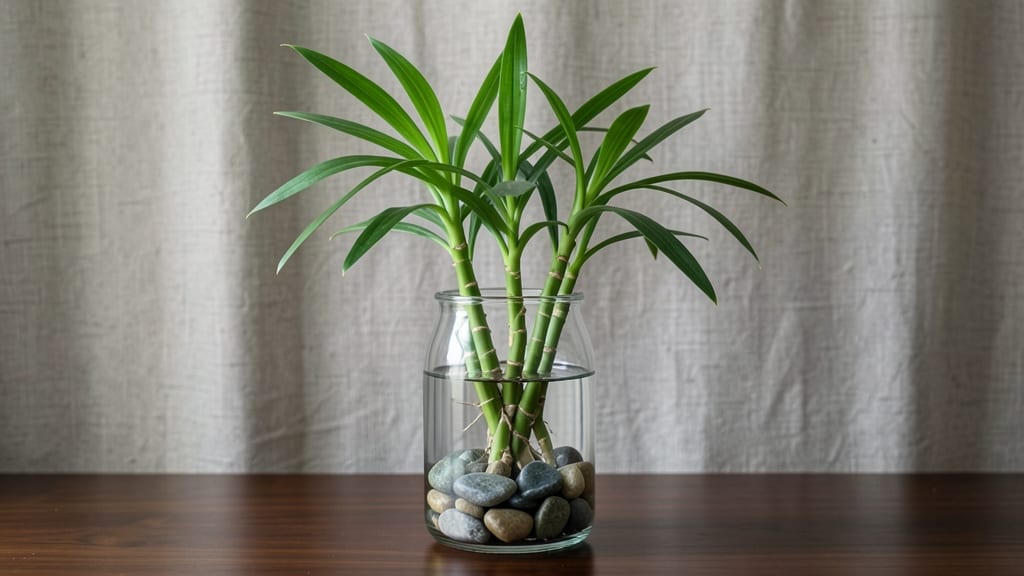
A bamboo garden in Chicago thrives with cold-hardy species like Fargesia (clumping) or Phyllostachys aureosulcata (running), planted in well-drained soil after last frost. Chicago’s Zone 5-6 climate needs winter protection for tender varieties, while clumping types spread minimally. Always use root barriers for invasive runners.
A bamboo garden in Chicago isn't just about picking the right species—it's about working with the city's freezing winters and humid summers. 🌿 The key is choosing varieties that handle Zone 5-6 temperatures without extra fuss, like Fargesia robusta, which stays compact and handles snow better than most.
For running types, I recommend Phyllostachys aureosulcata because its thick canes resist wind damage common in Chicago's flat landscapes. The real game-changer? Planting in late spring after the last frost—this gives roots time to establish before winter sets in.
💡 In This Article
- Best Bamboo Varieties for Chicago’s Climate
- Chicago Bamboo Planting and Maintenance Guide
Best bamboo varieties for Chicago’s climate
Chicago’s Zone 5-6 winters demand bamboo varieties that tolerate -20°F to -10°F without dieback. Fargesia species lead the pack with their clumping growth habit—meaning they grow in tight clusters rather than spreading via underground runners.
This makes them perfect for urban gardens where space is limited. The thick, woolly stems of Fargesia robusta also handle snow load better than thinner canes, preventing winter damage from Chicago’s heavy snowfall.
For those who prefer the dramatic height of running bamboo, Phyllostachys aureosulcata (yellow groove bamboo) is your best bet. Its thick, golden-striped canes reach 30-40 feet but grow slowly—about 1 foot per year—making it manageable for large properties.
The key difference? Running bamboo sends out rhizomes that spread aggressively, so you’ll need 2-3 foot deep root barriers to contain it. Without containment, a single plant can expand 3-5 feet per year, quickly overtaking a yard.
If you’re after something more compact yet still hardy, consider Borinda (formerly Fargesia hybrids). These varieties, like Borinda fastuosa, combine the cold tolerance of Fargesia with a slightly more upright growth habit, reaching 8-10 feet tall while staying under 5 feet wide.
Their leathery leaves resist Chicago’s humid summers, reducing fungal risks like bamboo rust, which thrives in damp conditions. 🌿 The trade-off? They’re less common in nurseries, so you may need to order online.
Here’s what sets these varieties apart in Chicago’s conditions:
- Wind resistance: Phyllostachys aureosulcata’s thick canes bend rather than snap in 40+ mph winds common in Lake Michigan’s wake, while Fargesia’s finer stems may need staking in exposed areas.
- Snow load tolerance: Fargesia robusta’s 2-inch diameter stems support 12+ inches of snow without breaking, unlike thinner varieties that may snap under Chicago’s 20+ inch winter accumulations.
- Urban adaptability: Clumping types like Borinda thrive in container gardens (using 20-gallon pots with drainage), making them ideal for patios or balconies.
Most gardeners overlook Borinda because it’s less flashy than running bamboo, but its low-maintenance nature and minimal spread make it a hidden gem for Chicago’s tight spaces.
The secret to spotting invasive runners? Look for new shoots popping up 10+ feet from the parent plant—a clear sign of uncontrolled spread. 💫
Pro tip: Pair Fargesia with hostas or ferns to create a layered, shade-tolerant garden. The textural contrast between bamboo’s vertical canes and these low-growing plants adds visual interest without competing for space. Just avoid planting near sidewalks or driveways—even clumping bamboo’s rhizomes can slowly creep over time.