
Advice
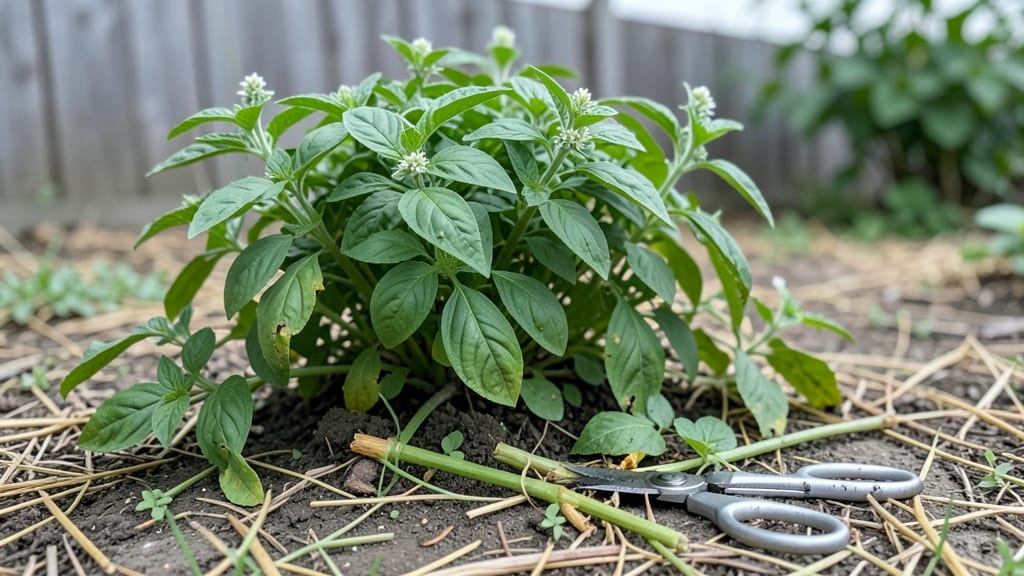
Here are my best basil gardening tips—growing it indoors or out is easier than you think, and my plants thrive with just sunlight, a little water, and occasional trimming. 🌿 The key is keeping it happy without overcomplicating things. every season.
My kitchen windowsill now grows enough for pesto year-round, and the secret isn’t fancy equipment but matching basil’s natural needs.
You’ll need a sunny spot (6+ hours of light daily), well-draining soil, and a pot with drainage—no special tools required. Water when the top inch feels dry, and pinch off flowers to encourage leafy growth.
The biggest mistake? Letting it get waterlogged or overcrowded. With these basics, you’ll have fragrant, productive basil in weeks, not months.
📚 In This Guide
- What you need
- Instructions
- Tips and common mistakes
- Wrapping up and next steps
What you need
- ● Basil seeds or seedlings: Choose disease-resistant varieties like Genovese, Sweet Basil, or Thai Basil. Start with 3–5 seeds per pot (or 1–2 seedlings for faster growth).
- ● Containers or garden bed: Pots: Use 5–6 inch diameter pots (minimum) with drainage holes. For multiple plants, opt for 12+ inch wide containers (1 plant per 6–8 inches of space).
- ● Garden bed: Ensure full sun (6+ hours/day) and well-draining soil. Space plants 12–18 inches apart.
- ● High-quality potting mix: A lightweight, well-draining mix (e.g., 60% potting soil + 40% perlite or coco coir). Avoid garden soil—it’s too dense!
- ● Fertilizer: Balanced liquid fertilizer (5-5-5 or 10-10-10): Dilute to ½ strength and apply every 2–3 weeks.
- ● Organic options: Compost tea, worm castings, or fish emulsion (follow package instructions).
- ● Watering can or spray bottle: Basil hates soggy roots—opt for a gentle watering can with a narrow spout or a spray bottle for seedlings.
- ● Pruning shears or clean scissors: Sharp, sterilized tools (rubbing alcohol works) to harvest and trim.
- ● Mulch: Straw or shredded leaves to retain moisture and suppress weeds.
- ● Plant supports: Small stakes or cages if your basil grows tall (e.g., Thai Basil).
- ● Shade cloth: For hot climates—provides 30–50% shade if temps exceed 90°F (32°C).
- ● Companion plants: Marigolds or borage to deter pests naturally.
- ● Grow lights: If indoors, use a full-spectrum LED grow light (12–16 hours/day) for seedlings.
Step-by-step guide to growing basil like a pro
Here’s how I keep my basil thriving—no green thumb required, just attention to a few key details.
🌱 Step 1: Choose the Right Location for Maximum Flavor
Basil demands 6-8 hours of direct sunlight daily—that’s non-negotiable for sweet, aromatic leaves. A south-facing window or balcony works, but if your space gets less light, supplement with a grow light kept 6 inches above the plant. You’ll know it’s in the right spot when leaves stay deep green and stems grow sturdy, not leggy.
If you’re growing outdoors, avoid afternoon shade—those hours are when basil soaks up the most energy. Watch for yellowing leaves or slow growth; that’s your cue to move the pot closer to the light source. I always place my basil near the kitchen window so I can snip fresh leaves for cooking without even leaving the room.
💧 Step 2: Master Watering for Lush, Disease-Free Growth
Basil hates soggy roots, so water only when the top inch of soil feels dry. Stick your finger in the soil—if it’s damp, wait another day. Overwatering causes root rot, which turns leaves yellow and mushy. I use a self-watering pot with a moisture meter to keep things consistent, especially in humid climates.
Water at the base of the plant, avoiding the leaves to prevent fungal diseases like downy mildew. A light misting in the morning helps deter pests, but never water in the evening—wet foliage overnight invites trouble. You’ll see the difference in a week: vibrant leaves and a bushier plant that doesn’t flop over.
✂️ Step 3: Prune for Bushier Growth and Continuous Harvests
Pinch off the top set of leaves when the plant reaches 6 inches tall to encourage branching. This isn’t just trimming—it’s training the basil to grow fuller. I always use clean, sharp scissors to avoid tearing stems, and I snip just above a leaf node where new growth will sprout.
Harvest leaves regularly—every 2-3 weeks—to keep the plant productive. Never take more than one-third of the plant at once, or you’ll shock it into dormancy. You’ll know you’re doing it right when the plant stays compact and keeps producing fresh, tender leaves. Save the largest stems for pesto or drying; the smaller leaves are perfect for garnishes.
🌿 Step 4: Protect Your Basil from Common Pests and Problems
Watch for aphids or whiteflies, which love basil’s tender new growth. I spray affected plants with a mix of 1 teaspoon neem oil per quart of water, applied in the early morning. Avoid chemical sprays—they’ll ruin the flavor. If you spot yellowing lower leaves, it’s often a sign of overwatering or poor drainage; adjust your watering routine immediately.
Basil also struggles in cold drafts or temperature swings below 50°F. If you’re growing outdoors, bring pots inside before the first frost or cover them with a frost cloth for a few extra weeks. You’ll see the plant perk up almost instantly when protected from chilly nights.
⏰ Step 5: Extend the Season with Simple Hacks
To keep basil growing through fall and even winter, move pots indoors before temperatures drop below 50°F. Place it near a sunny window and reduce watering slightly—indoor air is drier, so the soil stays moist longer. You’ll notice slower growth, but with proper light, your basil will keep producing leaves for months.
For a second flush of growth in spring, trim back the plant by half its height and fertilize lightly with a balanced liquid fertilizer. Basil is surprisingly resilient—with the right care, you can harvest fresh leaves almost year-round. Just remember: consistency is key, whether it’s light, water, or pruning.
Tips & tricks for perfect basil growth
Here's what I've learned after years of growing basil—these tricks make all the difference between a struggling plant and a thriving herb garden.
The Light Factor: That 6-8 hours of sunlight is non-negotiable, but don't assume all sunlight is equal. Morning sun is gentler than harsh afternoon rays, which can scorch tender basil leaves. I've found that positioning pots slightly east of south-facing windows captures the ideal balance—bright but not scorching. For indoor grow lights, use a timer for 12-14 hours daily to mimic natural daylight cycles.
Soil Science: Basil prefers well-draining potting mix with a slightly acidic pH (around 6.0-6.5). I always mix in perlite or vermiculite to prevent compaction, which causes root rot. The top inch dry test works, but I've added a moisture meter to my routine—it shows me exactly when to water without guessing. Remember, soggy soil is basil's worst enemy.
Pruning Strategy: When you pinch those top leaves at 6 inches tall, you're not just trimming—you're redirecting the plant's energy. I've noticed that plants pruned this way develop 3-4 times more side shoots than unpruned ones. For harvesting, always cut just above a leaf node where new growth emerges, and never take more than one-third at once. This keeps your basil bushy and productive for months.
Season Extension: That 50°F threshold is critical—below this, basil's growth slows dramatically. I've successfully kept basil growing through winter by moving pots to a south-facing window with supplemental grow lights. Reduce watering by 30% indoors since dry air means soil stays moist longer. For a spring flush, trim back half the plant's height—this shock treatment triggers vigorous new growth within weeks.
Pro Tips for Basil Gardening Tips
- Here's what I've learned after years of growing basil—these tricks make all the difference between a struggling plant and a thriving herb garden.
- The Light Factor: That 6-8 hours of sunlight is non-negotiable, but don't assume all sunlight is equal.
- Soil Science: Basil prefers well-draining potting mix with a slightly acidic pH (around 6.0-6.5).
Frequently asked questions
Got questions about growing basil like a pro? Here are some of the most common ones—plus quick, no-fuss answers to keep your plants happy and thriving!
How often should I water my basil plants?
Basil loves moisture but hates soggy roots. Water when the top inch of soil feels dry—usually every 2–3 days in warm weather, but adjust for humidity. Pro tip: Morning watering prevents fungal issues, and a saucer under pots catches excess water.
Can I grow basil indoors year-round?
Place your basil near a sunny window (south-facing is ideal) or use a grow light 6–8 inches above the plants for 12+ hours/day. Rotate pots weekly for even growth. Watch out: Drafty spots or temps below 50°F can stunt growth.
Why is my basil turning yellow or wilted?
Yellow leaves? Overwatering or poor drainage is likely. Wilting? Check for underwatering, heat stress, or pests (like spider mites). Trim affected leaves, adjust watering, and ensure pots have drainage holes. Quick fix: A light pruning boosts airflow and regrowth.
Can I regrow basil from store-bought stems?
Yes! Place 4–6 inches of a fresh basil stem in water, changing it every 2 days. Once roots sprout (after ~1 week), transplant to soil. Bonus: This works for any herb—thyme, mint, or parsley too!
How do I harvest basil without killing the plant?
Pinch off leaves from the top third of the plant (avoid the center) to encourage bushier growth. Never take more than ⅓ of the plant at once. Harvesting hack: Use sharp scissors to avoid crushing stems, and harvest in the morning for peak flavor!
What pests should I watch for in basil?
Common culprits include aphids, spider mites, and whiteflies. Spray plants with neem oil or a soapy water mix (1 tsp mild soap per quart of water) for mild infestations. Prevention tip: Keep plants healthy with balanced sunlight and water to deter pests.
Wrapping up and next steps
Growing basil doesn’t have to be complicated—with the right light, soil, and care, you’ll enjoy a thriving, fragrant harvest all year long! 🌿 Whether you’re a beginner or a seasoned gardener, these tips ensure your plants stay lush and productive with minimal effort.
Ready to elevate your kitchen game? Start small—try a single pot on your windowsill or balcony—and watch your green thumb grow!
👉 Next step: Grab your seeds or seedlings, pick a sunny spot, and get planting! Your first batch of fresh basil is just weeks away.