
Advice
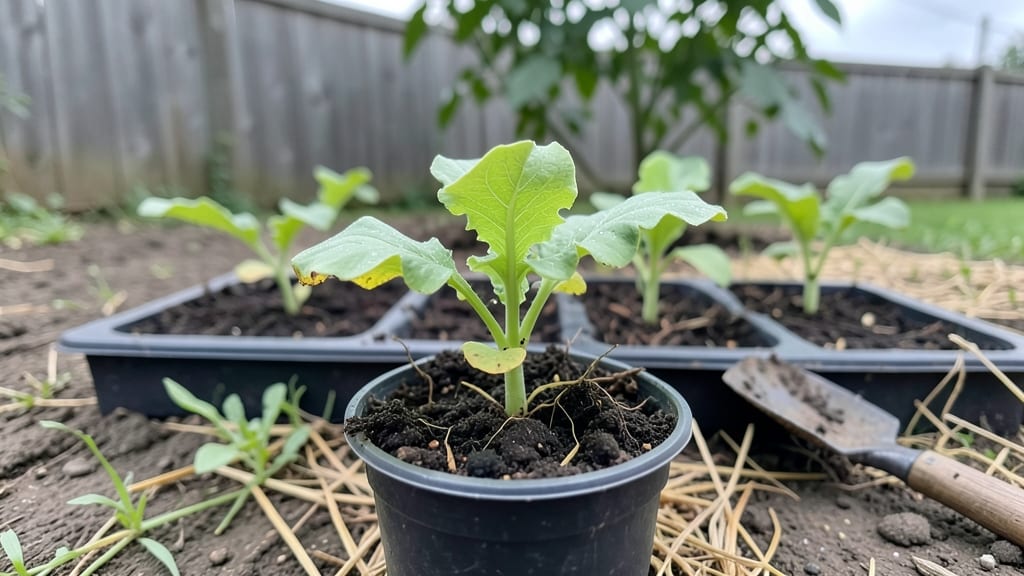
First-time gardening tips start with plants that forgive mistakes—like lettuce, radishes, and bush beans. 🌱 I’ve watched beginners grow frustrated with finicky seedlings, so I focus on crops that sprout fast and taste great even when imperfect. The key isn’t perfection; it’s progress.
You’ll need basic tools: a trowel, gloves, and a watering can (or hose with gentle spray). Skip the fancy gadgets—most beginners overcomplicate it. A sunny spot, loose soil, and consistent watering are what matter most. Even my first garden thrived with just these essentials.
Within weeks, you’ll harvest crisp radishes and tender lettuce, proving gardening isn’t about grand designs. The real reward is seeing what you grow—no green thumb required. Let’s start with plants that say “yes” to beginners.
From there, we’ll tackle soil prep, watering schedules, and how to spot (and avoid) common pitfalls. No jargon, just practical steps to keep your plants—and your confidence—growing.
📚 In This Guide
- What you need
- Instructions
- Tips and common mistakes
- Wrapping up and next steps
What you need
- ● Containers or Garden Beds: 3–5 lightweight pots (5–10 inches deep, with drainage holes) OR a small raised bed (at least 6 inches deep).
- ○ Optional: Self-watering pots or grow bags for convenience.
- ● Potting Mix: 1–2 bags of high-quality, sterile potting soil (avoid garden soil—it compacts too much!).
- ○ Optional: Add perlite or vermiculite (10–20%) for better drainage.
- ● Seeds or Seedlings: 3–5 easy-to-grow plants (e.g., cherry tomatoes, lettuce, basil, marigolds, or herbs like mint or parsley).
- ● Pro Tip: Start with seedlings (from a nursery) if you’re impatient—skip the seed-starting hassle!
- ● Basic Tools: 1 small trowel (for planting).
- ● 1 hand pruners (for trimming).
- ● 1 spray bottle (for gentle watering).
- ○ Optional: Gloves (to protect your hands from dirt or thorns).
- ● Sunlight: A spot with at least 4–6 hours of sunlight daily (south-facing windowsills or balconies work great!).
- ● Water: A watering can or hose (or even a clean bucket with a spout).
- ● Time: 10–15 minutes daily for watering and basic care.
- ● Patience: 🌱 Plants grow at their own pace—don’t rush them!
Step-by-step instructions for choosing your first no-fail plants
Here's how to select foolproof plants that thrive even with beginner mistakes.
🌱 Step 1: Pick Plants with High Forgiveness Ratings
Start with varieties known for resilience—bush beans, zucchini, and radishes top the list. These tolerate irregular watering, occasional neglect, and even less-than-perfect soil better than fussy flowers or finicky herbs. I always recommend bush beans first because they produce heavily even if planted late, and zucchini because one plant yields enough for a summer's worth of meals.
Check seed packets for terms like "disease-resistant," "heat-tolerant," or "fast-growing." These labels signal plants built to handle real-world growing conditions. Avoid anything labeled "tender" or requiring "perfect drainage"—those are code for "don't try this yet." Your first garden should feel like a safety net, not a high-wire act.
☀️ Step 2: Match Plants to Your Sunlight Reality
Most beginner-friendly vegetables need at least 6 hours of sun daily, but don't stress about measuring—just observe your yard. South-facing areas get the most light, while north sides often struggle. I test spots by placing a white plate where I plan to garden; if it stays warm to the touch by midday, that's full sun. If it's cool, you'll need shade-tolerant options like lettuce or spinach instead.
Here's the real talk: Your first garden doesn't need perfect sun. Even 4-5 hours works for radishes or bush beans, though yields will be smaller. The key is honesty—if your "sunny spot" is actually dappled shade, choose accordingly. I've watched beginners overplant sun-lovers in shady spots only to give up by July. Better to start small with the right plants than overcommit.
💧 Step 3: Plan for Watering You'll Actually Do
Most first-time failures happen because watering schedules don't match real life. Instead of memorizing complex routines, pick plants that thrive with 1-2 deep waterings per week once established. Zucchini and beans fit this perfectly—they develop deep roots that store moisture, while radishes mature so quickly they barely need extra care.
Here's the trick I use: Group plants with similar water needs together. If you tend to forget, plant succulents or herbs (like thyme) at the garden's edge—they'll survive occasional dry spells while your veggies get consistent care. The goal is to create a system where your watering routine becomes automatic, not a daily calculation.
🌿 Step 4: Start with Direct-Sown Seeds (No Transplants)
Skip nursery plants entirely for your first garden—they're expensive and often stressed. Instead, grow radishes, beans, and zucchini from seed directly in the ground. These germinate quickly (5-10 days for radishes, 7-14 for beans) so you'll see progress fast, which keeps motivation high. I plant 5-6 radish seeds every 2 weeks—this gives me a steady harvest and lets me taste success within weeks.
The beauty of direct sowing is that you control everything from the start. No transplant shock, no adjusting to new soil, just seeds turning into plants before your eyes. Plus, seed packets contain all the info you need—planting depth, spacing, and days to maturity—so you won't second-guess your choices. This is where beginners build confidence without risk.
⏰ Step 5: Schedule Your Planting Around Maturity Dates
Look at the "days to maturity" on your seed packets and work backward from your first frost date (find this online for your zone). For radishes (25-30 days), you can plant all spring and early summer with multiple harvests. Zucchini (45-55 days) needs to be in by late spring, while beans (50-60 days) can go until early summer. This prevents you from planting too early (and having plants bolt in heat) or too late (and missing the season).
I mark these dates on my calendar with bright stickers—it's visual motivation. The first planting becomes your "confidence builder," the second your "skill tester," and the third your "expert level." This system turns gardening from a guessing game into a predictable, rewarding process. Even if you forget to plant on time, these plants will still produce something—just maybe not as much.
Tips & tricks for perfect first-time gardening success
Here's what nobody tells you about turning your first garden into a thriving success story.
Sunlight Reality Check: That "sunny spot" might not actually be sunny enough. I've seen beginners plant sun-lovers in dappled shade and give up by July. Use the white plate test—place it where you plan to garden, and if it stays cool to the touch by midday, you need shade-tolerant options like lettuce or spinach. Remember, even 4-5 hours of sun works for radishes and bush beans, though yields will be smaller. The key is matching plants to your actual conditions, not your aspirations.
Watering Wisdom: Most first-time failures happen because watering schedules don't match real life. Instead of memorizing complex routines, group plants with similar water needs together. I plant succulents or herbs like thyme at the garden's edge—they'll survive occasional dry spells while your veggies get consistent care. The goal is creating a system where your watering routine becomes automatic, not a daily calculation. 1-2 deep waterings per week is all bush beans and zucchini need once established.
Seed Starting Strategy: Skip nursery plants entirely for your first garden—they're expensive and often stressed. Instead, direct-sow radishes, beans, and zucchini. These germinate quickly (5-10 days for radishes, 7-14 for beans) so you'll see progress fast. I plant 5-6 radish seeds every 2 weeks—this gives me a steady harvest and lets me taste success within weeks. The beauty of direct sowing is that you control everything from the start, with no transplant shock or soil adjustments.
Maturity Date Mastery: Look at those "days to maturity" on seed packets and work backward from your first frost date. For radishes (25-30 days), you can plant all spring and early summer with multiple harvests. Zucchini (45-55 days) needs to be in by late spring, while beans (50-60 days) can go until early summer. I mark these dates on my calendar with bright stickers—it's visual motivation that turns gardening from a guessing game into a predictable process.
Pro Tips for First Time Gardening Tips
- Here's what nobody tells you about turning your first garden into a thriving success story.
- Sunlight Reality Check: That "sunny spot" might not actually be sunny enough.
- Watering Wisdom: Most first-time failures happen because watering schedules don't match real life.
Frequently asked questions
Got questions?
You’re not alone—gardening can feel overwhelming at first! Here are answers to the most common first-time gardener queries to help you grow with confidence.
What are the easiest plants for beginners?
Start with low-maintenance plants like leafy greens (lettuce, spinach), herbs (basil, mint, parsley), radishes, or cherry tomatoes. These grow fast, forgive mistakes, and yield quick rewards. Avoid finicky crops like artichokes or asparagus until you gain experience!
How long does it take to see results?
Fast growers like radishes or green onions sprout in 2–3 weeks, while herbs and lettuce take 4–6 weeks. Tomatoes and peppers need 8–12 weeks to produce fruit. Patience is key—track progress with a simple journal or app!
How often should I water my plants?
Water deeply 1–2 times per week (more in hot/dry climates), aiming for 1 inch of water total. Check soil moisture—if the top inch feels dry, it’s time. Mulch helps retain moisture and reduces weeds. Overwatering is worse than underwatering!
What do I do if bugs or pests appear?
Start with gentle solutions: Neem oil (spray on leaves), soapy water (1 tsp dish soap + 1 quart water), or handpicking pests like aphids. Avoid chemicals—many harm beneficial insects. Healthy soil and plants deter pests naturally!
Can I garden in small spaces like balconies or windowsills?
Use container gardening with pots, vertical planters, or hanging baskets. Try dwarf varieties (like patio tomatoes or bush beans) and herbs (thyme, chives). Just ensure containers have drainage holes and get 6+ hours of sunlight daily.
What if my plants don’t grow as expected?
Troubleshoot step by step:
Yellow leaves? Overwatering or nutrient deficiency (try fertilizer).
Wilting? Underwatering or root stress (check soil and roots).
No flowers/fruit? Lack of sunlight or pollinators (hand-pollinate if needed).
Most issues are fixable—don’t give up!Wrapping up and next steps
Starting your first garden doesn’t have to be overwhelming—it’s all about taking those first steps with confidence! 🌱 You’ve got the perfect no-fail plants, the right tools, and a plan to keep things simple.
Remember, every expert gardener began exactly where you are now, with a few seeds or seedlings and a lot of curiosity.
Ready to grow? Start small, celebrate every little victory (like your first sprout!), and don’t hesitate to ask for help. Next up? Pick your favorite starter plant from this list and get your hands dirty—your future harvest (and bragging rights!) are waiting. Happy planting! 🌿