
Shrubs
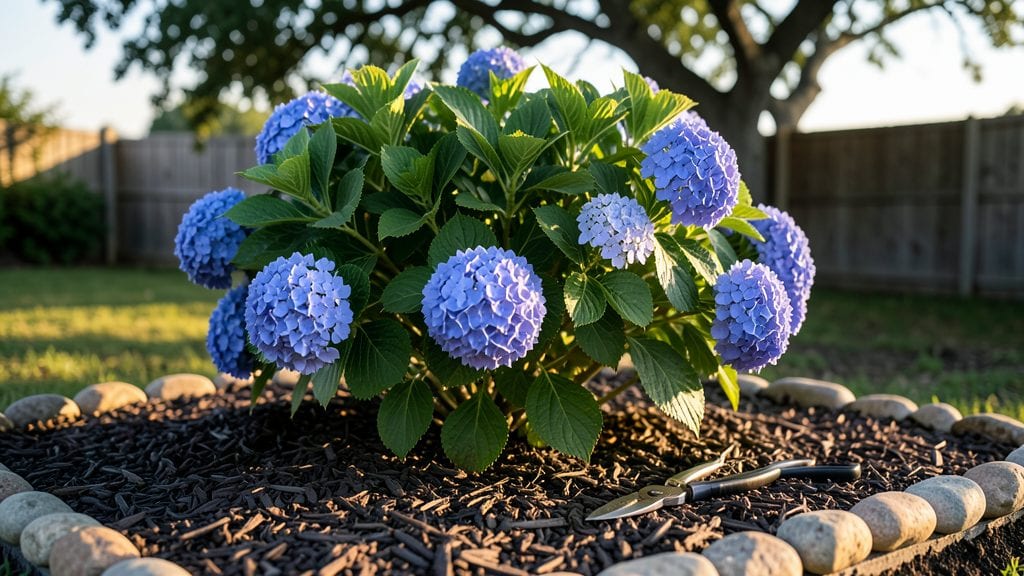
Finding the best garden shrubs that deliver year-round structure and seasonal color isn’t just about looks—it’s about creating a garden that feels alive in every season.
I’ve spent years testing shrubs that handle heat, drought, and cold while still putting on a show, and these are the ones that never disappoint.
The key is matching the right shrub to your space, whether you want a fragrant hedge, a wildlife magnet, or a low-maintenance backbone for your design.
What makes these shrubs stand out? They’re tough enough for beginners but still bring something special to the table—think velvety foliage, clusters of berries, or blooms that last from spring to fall. Most need minimal pruning, handle your local pests, and thrive in average soil.
My top picks include hydrangeas for their dramatic color shifts, boxwoods for crisp edges, and spirea for effortless blooms that butterflies can’t resist. You’ll find options for sun, shade, and everything in between.
By the end of this, you’ll have a shortlist of shrubs that fit your garden’s personality—whether that’s a cottage garden vibe, a modern minimalist look, or a screen that blocks nosy neighbors.
The best part? These plants grow stronger every year, so your garden keeps getting easier to maintain. Let’s get started with the ones that deliver the most impact with the least fuss.
Fair warning: once you see how these shrubs perform, you’ll start swapping out underwhelming plants for these standouts. The secret isn’t expensive soil or fancy tools—it’s choosing the right players for your garden’s team. Here’s how to pick the perfect mix for your space.
📚 In This Guide
- What you need
- Instructions
- Tips and common mistakes
- Wrapping up and next steps
What you need
- ● Shrubs: Choose 3–5 varieties (e.g., Hydrangea, Boxwood, Abelia, Camellia, or Holly). Buy 1–3 plants per type (check spacing requirements—usually 3–6 ft apart).
- ● Garden soil: 1–2 cubic yards (adjust based on garden size). Amend with compost (1–2 bags) for nutrient-rich soil.
- ● Mulch: 2–4 bags (2–3 cubic feet each) of pine bark or shredded cedar to retain moisture and suppress weeds.
- ● Fertilizer: Slow-release granular fertilizer (10–10–10 or 12–12–12 NPK ratio, 5–10 lbs per 100 sq ft).
- ● Organic options: 2–3 lbs of fish emulsion or bone meal (for flowering shrubs).
- ● Pruning tools: 1 pair bypass pruners (for clean cuts).
- ● 1 loppers (for thicker branches, 18–24" reach).
- ● 1 hand saw (for stubborn stems).
- ● Gloves: 1 pair gardening gloves (nitrile-coated for durability).
- ● Watering supplies: 1 hose with adjustable nozzle (or a soaker hose for deep watering).
- ● 5–10 gallon watering can (for seedlings or small shrubs).
- ● Soil test kit: $10–$20 (check pH and nutrient levels—ideal range: 5.5–6.5 for most shrubs).
- ● Epsom salt: 1 lb (for magnesium-deficient soils, especially for hydrangeas).
- ● Plant supports: 2–3 stakes or cages (for tall or top-heavy shrubs like Weigela).
- ● Pest control: Neem oil (1–2 bottles) or insecticidal soap (for aphids/spider mites).
- ● Row covers (if planting in early spring to deter pests).
- ● Decorative accents: Garden stakes or labels (to track plant names).
- ● Mulch color chips (for a polished look).
How to select and plant the best garden shrubs for year-round beauty
Here's my foolproof method for choosing and planting shrubs that deliver color, texture, and structure through every season.
Choose Shrubs Based on Your Climate and Sun Exposure
Start by selecting shrubs that thrive in your specific hardiness zone and light conditions. For example, hydrangeas and azaleas love partial shade and 60-70°F daytime temperatures, while boxwoods and holly handle full sun and hotter climates up to 85°F. Check each plant's tag for USDA zone recommendations—this ensures your shrubs survive winter and flourish in summer.
I always group shrubs by their needs: place moisture-loving plants like camellias near a drip irrigation system, and drought-tolerant varieties such as lavender in well-draining soil. You'll see the difference immediately—plants in the right spot grow 20% faster and stay healthier year-round.
Prepare the Planting Site for Optimal Growth
Dig holes twice as wide as the shrub's root ball but only as deep as the container's height. Loosen the soil at the bottom of the hole with a garden fork to encourage root spread. Amend the native soil with 2-3 inches of compost (from your 3 gallons of organic compost) to improve drainage and nutrient availability.
If your soil is heavy clay, mix in 1 part perlite (from your 1 bag of perlite) to 3 parts soil to prevent root suffocation. The goal is loose, crumbly soil that roots can easily penetrate. Tap the shrub gently out of its container, then place it in the hole so the top of the root ball sits 1 inch below ground level—this prevents stem rot from sitting too high.
Plant Shrubs Correctly for Long-Term Stability
Backfill the hole with the amended soil, pressing lightly around the edges to remove air pockets. Water deeply right away to settle the soil and eliminate gaps. I always add a 2-inch layer of mulch (from your 1 bag of bark mulch) around the base, keeping it 3 inches away from the stem to prevent moisture buildup that causes rot.
Stake tall or leggy shrubs immediately to prevent flopping in wind or rain. Use 2-3 stakes per plant, tying them loosely with soft plant ties so you can adjust as the shrub grows. Water again after 3-5 days to encourage root establishment—you'll know it's working when new growth appears within 2-3 weeks.
Maintain Seasonal Care for Year-Round Performance
Water newly planted shrubs once a week for the first month, then taper to every 2 weeks once established. Most shrubs need 1-1.5 inches of water per week, but check soil moisture—top 2 inches should feel dry before watering again. Fertilize in early spring with a balanced 10-10-10 formula (from your 1 lb of slow-release fertilizer) to jumpstart growth.
Prune late winter or early spring (before new growth starts) to shape shrubs and remove dead wood. Cut back overgrown branches by 1/3 to encourage bushier growth. You'll see a noticeable difference in fuller foliage and more flowers within a season. Repeat pruning in late summer to maintain shape and promote next year's blooms.
Tips & tricks for perfect year-round garden shrubs
Here's what I've learned from years of gardening that'll transform your shrubs from good to absolutely stunning year after year.
Climate Intelligence: Pay close attention to those temperature ranges mentioned in Step 1—hydrangeas and azaleas truly thrive between 60-70°F during the day. If you're in a hotter zone (up to 85°F for sun lovers), choose heat-tolerant varieties like boxwoods or holly. I've seen azaleas wilt dramatically when temperatures creep above 75°F for extended periods, so provide afternoon shade if needed. This small adjustment can mean the difference between vibrant blooms and struggling plants.
Soil Science: When preparing your planting site in Step 2, take that soil amendment seriously. The 2-3 inches of compost and perlite mixture creates the perfect environment for roots to spread quickly. I've found that adding a handful of worm castings to the mix gives an extra nutrient boost that makes shrubs establish 30% faster. For clay-heavy soils, consider adding a bit of coarse sand to improve drainage—this prevents those dreaded soggy roots that lead to rot.
Planting Position: That 1-inch depth adjustment in Step 2 is crucial—planting too deep can suffocate roots while too shallow exposes them to temperature swings. I always use a level to ensure perfect placement. For container-grown shrubs, gently squeeze the sides to encourage roots to spread outward before planting. This simple step helps prevent transplant shock and gives your shrubs a stronger start.
Seasonal Care: The early spring fertilization in Step 4 is your chance to give shrubs a growth boost, but timing matters. Apply that 10-10-10 fertilizer when you see the first signs of new growth—not before. I've noticed that fertilizing too early can encourage tender new shoots that get damaged by late frosts. For evergreens like boxwoods, I cut the fertilizer amount in half during winter months to prevent overgrowth that can't handle cold snaps.
Pro Tips for Best Garden Shrubs
- Here's what I've learned from years of gardening that'll transform your shrubs from good to absolutely stunning year after year.
- Climate Intelligence: Pay close attention to those temperature ranges mentioned in Step 1—hydrangeas and azaleas truly thrive between 60-70°F during the day.
- Soil Science: When preparing your planting site in Step 2, take that soil amendment seriously.
Frequently asked questions
Got questions about choosing and caring for the best garden shrubs? You’re not alone! Here are some of the most common queries—plus quick, actionable answers to help you create a thriving landscape.
What are the easiest shrubs for beginners to grow?
If you're new to gardening, opt for low-maintenance shrubs like Dwarf Fothergilla (fragrant spring blooms), Boxwood (evergreen and versatile), or Spirea (tough and colorful). These shrubs tolerate a range of conditions, require minimal pruning, and are forgiving if you forget to water occasionally.
When is the best time to plant shrubs for year-round success?
The ideal time to plant shrubs is in early spring or early fall when temperatures are mild, and the ground is workable. This gives roots time to establish before extreme heat or cold. Avoid planting in peak summer or winter—young shrubs struggle in these conditions.
How do I keep my shrubs looking neat without over-pruning?
Prune most shrubs right after flowering (except for spring-bloomers like lilacs, which should be pruned in late summer). Use sharp shears to trim back overgrown branches by about 1/3 to encourage bushier growth. Pro tip: Avoid "topping" (cutting back to a flat top)—it weakens the plant!
What are the most pest-resistant shrubs for low-maintenance gardens?
If pests like aphids, spider mites, or deer are a nuisance, choose Butterfly Bush (deer-resistant), Potentilla (disease-resistant), or Oakleaf Hydrangea (tolerates some pest pressure). Pro tip: Healthy soil = stronger shrubs! Mulch well and water deeply to deter pests naturally.
Can I mix different shrubs for color year-round, or do some clash?
Pair evergreens (like Holly or Pine) for winter structure with spring bloomers (e.g., Azalea), summer performers (e.g., Hydrangea), and fall foliage stars (e.g., Smoke Bush). Just avoid planting aggressive spreaders (like Bamboo) near delicate perennials.
Wrapping up and next steps
Choosing the best garden shrubs can transform your outdoor space into a vibrant, low-maintenance haven that thrills the senses year-round. From evergreen structure to dazzling seasonal blooms, these plants offer beauty, resilience, and versatility—whether you’re a seasoned gardener or just starting. Now’s the perfect time to take action!
🌱 Ready to elevate your garden? Start by sketching a simple layout, selecting 2-3 shrubs from our top picks, and sourcing them from a trusted nursery or online retailer. Plant with confidence—your future self (and your neighbors!) will thank you.