Fertilization
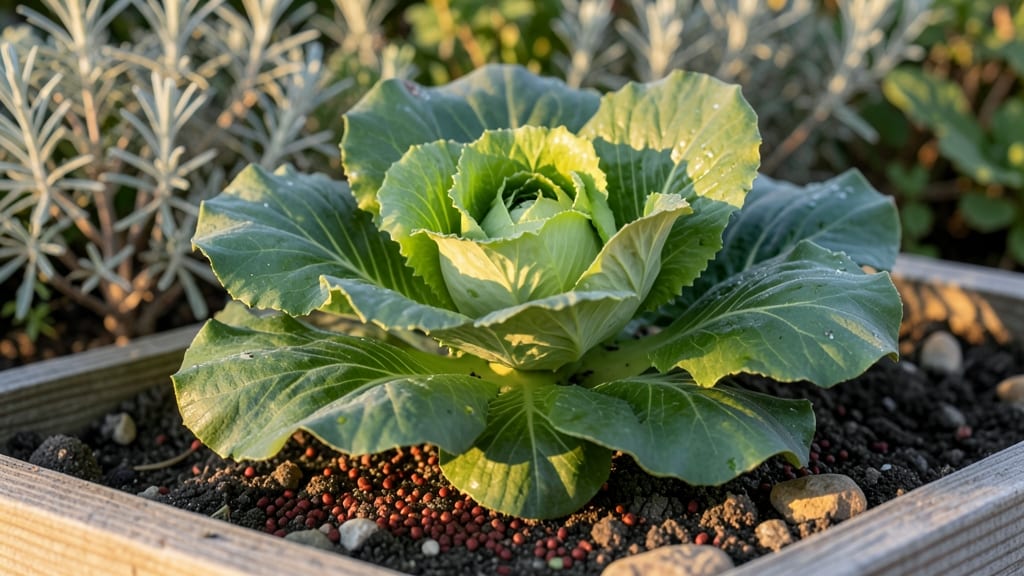
Using blood meal in gardens provides a powerful nitrogen boost that fuels rapid, vibrant growth in leafy vegetables, lawns, and blooming plants—but requires precise application to prevent root damage or pest attraction.
This organic fertilizer works by releasing nitrogen quickly, which plants convert into chlorophyll for energy production.
Unlike slower-release options like compost, blood meal delivers an immediate nutrient punch—ideal for reviving tired soil or jumpstarting spring growth. 🌱 However, its high concentration means you'll need to use it sparingly, especially for delicate plants like tomatoes or peppers, which can develop leaf burn if overfed.
For best results, I recommend applying 1-2 tablespoons per plant in early spring or after harvesting, then lightly working it into the top inch of soil. Always water thoroughly afterward to help distribute the nutrients safely.
The key is balance—too much creates a "hot" soil environment that stunts roots, while too little leaves your plants nitrogen-starved.
💡 In This Article
- How Blood Meal Fertilizes Soil and Plants
- Best Practices for Applying Blood Meal Safely
How blood meal fertilizes soil and plants
Blood meal works by delivering nitrogen in a highly concentrated, immediately available form. Unlike compost or manure—which release nutrients gradually through microbial breakdown—blood meal contains approximately 12-13% nitrogen by weight, primarily in the form of organic proteins that decompose rapidly when exposed to soil moisture.
This creates a "nitrogen spike" that plants can absorb within days, fueling chlorophyll production and accelerating growth.
The key difference lies in its fast-acting nature: while compost might take weeks to months to release nutrients, blood meal delivers results in 1-2 weeks, making it ideal for quick fixes like reviving yellowing lawns or jumpstarting spring vegetable growth. 🌱
The nitrogen in blood meal exists as amino acids and peptides, which soil microbes quickly break down into ammonium (NH4+)—a form plants can absorb directly. This process generates heat, which is why gardeners sometimes describe blood meal as "hot" fertilizer.
For comparison, compost releases nitrogen at roughly 0.5-1% per week, while blood meal can release up to 3-5% per week under optimal conditions. The trade-off? This rapid release means blood meal must be used judiciously to avoid over-fertilizing, which can lead to leaf burn or root damage.
What makes blood meal particularly effective for chlorophyll production is its high protein content, which plants convert into amino acids for leaf and stem development. When applied correctly, it can double or triple leaf growth rates in nitrogen-hungry plants like corn, lettuce, or clover.
The visual result is striking: within 2-3 weeks of application, you'll often see a dramatic darkening of foliage as chlorophyll levels surge. This is especially noticeable in flowering plants, where vibrant green leaves support stronger blooms.
However, the effect is temporary—unlike slow-release fertilizers, blood meal's benefits fade within 4-6 weeks, requiring reapplication for sustained growth. ✨
One critical factor that sets blood meal apart is its pH-neutral nature when fresh, though it can acidify soil slightly (0.5-1.0 pH units) as it decomposes. This contrasts with manure, which often raises soil pH due to its alkaline byproducts.
The acidification effect is generally minor but can be beneficial for acid-loving plants like blueberries or azaleas.
To mitigate any potential pH shifts, always mix blood meal into the top 2-3 inches of soil rather than applying it as a surface layer, which concentrates its effects and risks burning plant roots.
For a real-world example, consider a 100-square-foot vegetable garden needing a nitrogen boost. Applying 1 pound of blood meal (about 2 tablespoons per plant) would provide roughly 12-13 ounces of nitrogen—enough to support vigorous growth for 4-6 weeks.
Compare this to bone meal, which releases nitrogen slowly but is better suited for root development. The difference? Blood meal is the choice for leafy greens and rapid foliage growth, while bone meal supports flowering and fruiting.
This targeted approach is why many gardeners use both fertilizers in rotation throughout the growing season. 💫
Here's what most gardeners don't realize: blood meal's effectiveness depends entirely on soil moisture. In dry conditions, the nitrogen remains locked in its organic form, waiting for water to activate the decomposition process.
This is why it's essential to water the soil thoroughly (1 inch of water) both before and after applying blood meal. The microbial activity that converts blood meal into plant-available nitrogen requires consistent moisture—similar to how compost tea needs agitation to release nutrients.
Without proper hydration, you might as well be sprinkling powdered protein onto your garden bed. 💧