
Container Gardens
Botanical gardens in Philly offer stunning plant collections, from the Barbara B. Wood Garden at Morris Arboretum to the Pennsylvania Horticultural Society’s ever-changing seasonal exhibits. With rare botanicals, themed displays, and blooms year-round, they’re perfect for plant enthusiasts and photographers.
Philly’s botanical gardens aren’t just green spaces—they’re living museums where you can explore everything from 100+ tree species at Morris Arboretum to conservatory displays that transport you to tropical climates. 🌿 The real magic happens in how each garden adapts to Philadelphia’s seasons, ensuring vibrant blooms even in winter.
Whether you’re chasing rare orchids or simply soaking in the city’s natural beauty, these gardens deliver an experience that’s both educational and breathtaking.
💡 In This Article
- Philly Botanical Gardens’ Unique Plant Collections
- Best Times to Visit Philly Botanical Gardens
Philly botanical gardens’ unique plant collections
Philadelphia’s botanical gardens are home to some of the most meticulously curated plant collections in the U.S., each designed to showcase biodiversity while addressing conservation challenges.
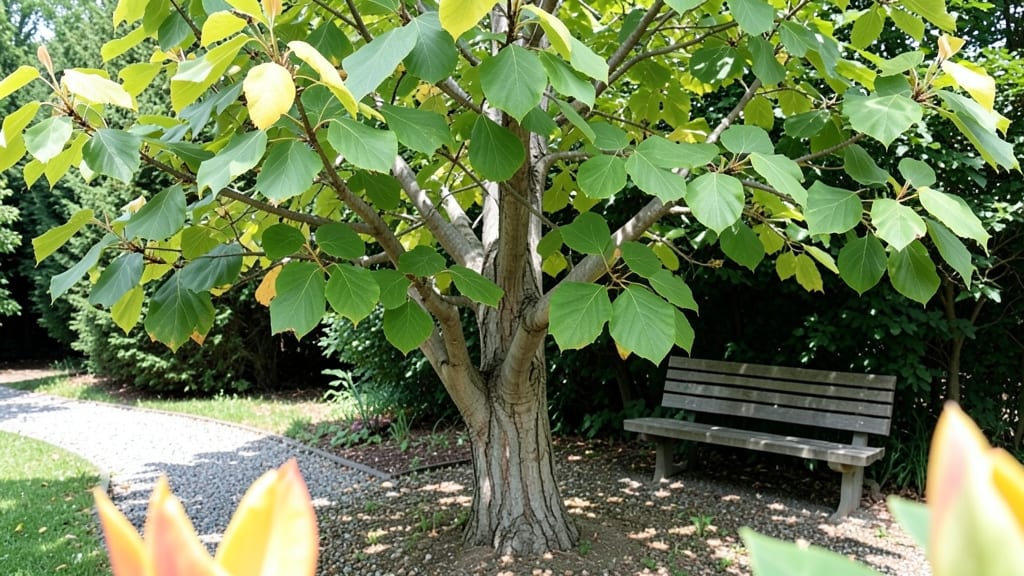
The Morris Arboretum alone boasts over 100 tree species from around the globe, including rare specimens like the Katsura tree (Cercidophyllum japonicum), whose fragrant bark and golden fall foliage make it a standout.
What sets these collections apart is their scientific rigor—gardens like Longwood Gardens maintain precise humidity and temperature controls in their conservatories to replicate tropical environments, with some areas maintaining 80% humidity year-round to protect delicate orchids and ferns.
The Pennsylvania Horticultural Society (PHS) focuses on native flora, featuring over 500 plant varieties adapted to Philadelphia’s USDA Hardiness Zone 7a, where winters dip to -10°F and summers reach 90°F.
Their Native Plant Garden highlights species like Virginia bluebells (Mertensia virginica), which bloom in spring with delicate bell-shaped flowers, and black-eyed Susans (Rudbeckia hirta), which thrive in full sun.
The contrast between PHS’s hardy natives and Longwood’s tropical imports demonstrates how climate dictates plant selection—while Longwood’s Conservatory of Chrysanthemums requires 65-75°F and 60% humidity, PHS’s gardens rely on drought-tolerant perennials that need minimal irrigation.
Conservation efforts are woven into every collection. At Morris Arboretum, the Barbara B. Wood Garden features plants from the Arctic to the Andes, but its real purpose is research—studying how species adapt to climate change.
For example, the garden’s Japanese maples (Acer palmatum) are monitored for late frost sensitivity, a growing concern as Philly’s average temperatures rise by 0.5°F per decade. Meanwhile, Longwood’s Rosenberg Garden preserves 1,500+ roses, many of which are heirloom varieties saved from extinction through tissue culture techniques.
These efforts ensure that even as seasons shift, the gardens remain vibrant hubs of biodiversity.
Seasonal displays are another layer of expertise. The Morris Arboretum’s Autumn Display transforms the Japanese Hill-and-Pond Garden into a fiery spectacle, with maples turning shades of crimson and gold—a phenomenon triggered by chlorophyll breakdown as temperatures drop below 50°F.
In contrast, PHS’s Winter Interest Garden relies on evergreens like boxwood (Buxus sempervirens) and ornamental grasses that provide texture and movement even when other plants are dormant. The key here is understanding phenology—the study of seasonal plant life cycles—to create year-round visual interest.
For visitors, the sensory experience is unmatched. At Longwood’s Main Fountain Garden, the scent of 20,000 tulips in spring can reach 50 feet away, thanks to volatile organic compounds released by the flowers.
Meanwhile, the Morris Arboretum’s Fragrance Garden features 200 plants selected for their aromatic qualities, including lavender (Lavandula angustifolia), whose linalool and linalyl acetate compounds create a calming effect. These details make the gardens not just visual treats but immersive experiences that engage all the senses.
The interplay between science and beauty is what makes these collections extraordinary. Whether you’re admiring the giant sequoias (Sequoiadendron giganteum) at Morris Arboretum—some over 200 feet tall—or marveling at the carnivorous plants in Longwood’s Conservatory of Carnivorous Plants, each garden offers a lesson in resilience.
The takeaway? Philly’s botanical gardens aren’t just pretty—they’re living laboratories where nature’s wonders are preserved, studied, and celebrated.