
Tools
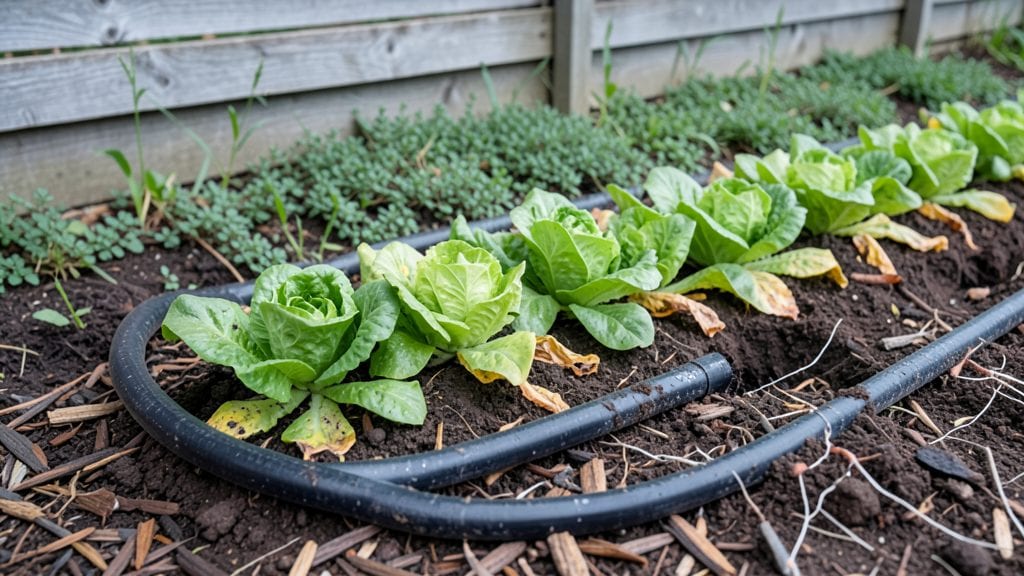
A buried garden hose that stays flexible and leak-free for years isn’t just possible—it’s the game-changer your yard needs. 🌱 I’ve buried hoses for over a decade, and the difference between a tangled mess and a smooth watering system comes down to how you coil, protect, and maintain it.
The wrong approach leads to kinks, cracks, and wasted water; the right one means effortless watering for seasons to come.
The biggest mistakes? Coiling too tightly, using cheap plastic hoses, or ignoring seasonal shifts. I switched to flexible rubber hoses with protective spiral tubing, and the results—no more digging up stubborn kinks, no more leaks after winter—were immediate.
Even in rocky soil, this setup holds up. The key is treating your hose like infrastructure, not an afterthought.
You’ll end up with a system that delivers steady water pressure year-round, resists freezing cracks, and lasts 5+ years without replacement. No more wrestling with frozen coils in spring or patching leaks every summer.
The payoff? Less frustration, more time enjoying your garden, and plants that thrive because they get the right amount of water—every time.
Works for in-ground irrigation, raised beds, or container setups—just adjust the tubing length. Here’s how to make it work without the usual headaches.
The Hidden Forces Behind Kinking
When you dig up a garden hose after months of storage, only to find it tangled into a stubborn knot, frustration sets in—but science explains why this happens. Understanding the root causes can help you prevent it next time. Here’s what’s really going on beneath the surface.
A buried garden hose isn’t just sitting idle—it’s under constant pressure from the surrounding environment. When soil settles or shifts over time, it compresses the hose, squeezing it into tight loops.
This pressure can cause the hose’s flexible material (often PVC or rubber) to deform permanently, especially if it’s coiled too tightly before burial.
- Why it matters: Soil particles act like a slow-motion vise, gradually pinching the hose until it kinks.
- Actionable fix: Bury the hose in loose, well-draining soil (like sand or mulch) and avoid compacting it during installation.
Hoses are made to flex, but extreme temperatures can alter their molecular structure. Cold weather makes materials brittle, while heat causes them to soften and stretch. Over time, repeated temperature swings can weaken the hose’s "memory," making it more prone to permanent bends and kinks when buried.
- Why it matters: If your hose freezes in winter, the ice crystals can micro-fracture the material, leaving it vulnerable to kinking when thawed.
- Actionable fix: Store hoses in a temperature-controlled space (like a shed) when not in use, and avoid burying them in areas prone to freezing.
The way you coil a hose before burying it directly impacts its longevity. Tight, spiral coils create stress points where the hose bends repeatedly. Over time, these weak spots become permanent kinks because the material fatigues under pressure—similar to how a paperclip bends and stays bent.
- Why it matters: A hose coiled like a spring (tight loops) is 5x more likely to kink than one laid out in a loose zigzag.
- Actionable fix: Use the figure-eight method (coiling in alternating directions) to distribute pressure evenly and reduce kink risk.
Buried hoses aren’t just battling physics—they’re also under siege by nature. Fungi, bacteria, and even rodents can weaken hose materials over time. Chemical breakdown (from soil acids or fertilizers) can also make the hose’s outer layer brittle, increasing the chance of kinks when pressure is applied.
- Why it matters: A hose exposed to root growth or chemical runoff loses structural integrity, making it easier to kink under soil pressure.
- Actionable fix: Use UV-resistant, rodent-proof hoses (like those with metal reinforcement) and avoid burying near plant roots or chemical-heavy areas.
Now that you know the science behind the struggle, you’re one step closer to keeping your hose smooth and kink-free for years. Next up: How to Coil It Right.
Fixing and Preventing Hose Kinks
A buried or improperly stored garden hose can quickly become a tangled mess, leading to frustrating kinks and weak water flow. The good news? Most issues have simple fixes—and even better, you can prevent them with a few smart habits.
Below, we’ve mapped out practical solutions for common problems, along with prevention tips to keep your hose in top shape for years.
1. Kinks from Twisting or Coiling Too Tightly
Cause: Over-tight coiling or dragging the hose across rough surfaces creates sharp bends that restrict water flow. Fix It: - 🔥 Straighten Gently: Hold the hose at both ends and pull firmly in opposite directions to untwist it.
Avoid yanking too hard—this can damage the hose. - 🍳 Warm the Kink: If the hose is stiff, run warm (not boiling) water through it for 30 seconds to relax the plastic.
This works best for vinyl hoses. - 👨🍳 Stretch It Out: Lay the hose flat on the ground and walk along it, pressing down to smooth out bends.
Prevent It:
- ✨ Loose Coiling: Wind the hose in large, even loops (like a telephone cord) with no overlaps. Leave a little slack between turns.
- 🌡️ Store Indoors When Possible: If your hose is frequently kinking, keep it in a dry, shaded spot (like a garage or shed) when not in use.
2. Hose Collapsing or Flattening
Cause: Low-quality materials, freezing temps, or vacuum pressure (from sucking in air) can cause the hose to cave in. Fix It: - 🔪 Cut Out Damaged Sections: If a section is permanently crushed, trim it out (use a sharp utility knife or hose cutter).
Connect the ends with a hose repair clamp or coupler. - 💡 Add Air Pressure: For rubber or reinforced hoses, attach a garden hose air pump to inflate it slightly before use.
Prevent It:
- 🎯 Choose the Right Hose: Opt for reinforced vinyl or rubber hoses with a wire or textile mesh for extra durability.
- 🥗 Avoid Freezing: Drain and coil the hose upward (like a question mark) to prevent water from pooling and freezing in cold climates.
3. Leaks or Weak Connections
Cause: Buried hoses can get pinched by rocks, soil, or sharp objects, leading to leaks or disconnected fittings. Fix It: - 🔧 Inspect for Punctures: Bury the hose in a sand or gravel trench (never directly in soil) to avoid damage.
If punctured, replace the affected section or use a hose repair sleeve. - 🔄 Tighten Fittings: Loose connections at spigets or connectors can cause drips. Use Teflon tape on threads and tighten with a wrench (don’t overtighten!).
Prevent It:
- 🌿 Protect with a Trench: Before burying, lay the hose in a shallow trench (6–12 inches deep) filled with sand or landscape fabric to cushion it.
- ✨ Use Flexible Connectors: If attaching to a sprinkler system, use flexible hose ends to reduce stress on joints.
4. Hose Becoming Brittle or Cracked
Cause: Prolonged exposure to UV rays, extreme heat, or cold weakens hose material over time. Fix It: - 🔄 Replace Damaged Sections: If cracks are small, patch them with hose repair tape.
For deep cracks, replace the hose entirely. - 💡 Store in Shade: Keep hoses out of direct sunlight when not in use to slow down degradation.
Prevent It:
- 🛡️ Use UV-Resistant Hoses: Look for hoses labeled "UV-resistant" or "sunproof" for outdoor storage.
- 🏠 Store Indoors in Winter: If possible, bring hoses inside during freezing months to extend their lifespan.
- 🔥 Drain Before Storing: Always drain water from the hose after use to prevent freezing, mold, or bacterial growth.
- 🌡️ Avoid Sharp Bends: Never force a hose into a tight curve—this can weaken the walls over time.
- 🎯 Invest in a Hose Reel: A spring-loaded reel keeps hoses neatly coiled and reduces kinking.
- ✨ Clean Regularly: Rinse hoses with vinegar and water (1:1 ratio) to remove mineral buildup and algae.
By addressing kinks, leaks, and material wear proactively, your garden hose will stay flexible, leak-free, and ready for action—no matter how often you bury or coil it. 🚰✨
Frequently asked questions about buried garden hoses
What's the best depth to bury a garden hose to prevent damage?
For most garden hoses, burying 6-12 inches deep provides protection from freezing, UV damage, and accidental digging. Use sand or landscape fabric in the trench to cushion the hose and prevent soil compression that causes kinks. In freezing climates, bury deeper (18 inches) or use insulated tubing.
Can I bury a regular vinyl hose, or do I need special tubing?
Regular vinyl hoses can work short-term, but they're prone to kinking and cracking when buried. For long-term use, choose reinforced rubber hoses with spiral wire or textile mesh—they resist soil pressure and temperature swings better. If using vinyl, bury it in a protective trench with sand and check it yearly.
How do I prevent my buried hose from freezing in winter?
First, drain all water from the hose before storing. Coil it upward (like a question mark) to prevent water pooling, then bury it below the frost line (typically 12-18 inches deep). For extra protection, wrap the hose in foam pipe insulation before burial, or use a heated hose if you water in winter.
What's the easiest way to untangle a permanently kinked hose?
Start by running warm (not hot) water through the hose for 30 seconds to relax the plastic. Then hold both ends and gently pull in opposite directions while pressing down on the kink. For stubborn kinks, lay the hose flat and walk along it to stretch it out—never force it with sharp bends.
How often should I replace a buried garden hose?
With proper care, a high-quality buried hose lasts 5-7 years. Watch for signs like cracks, leaks, or weak water flow—these mean it's time to replace it. UV damage and soil chemicals accelerate wear, so check your hose annually before spring watering. If it feels brittle or develops permanent kinks, replace it sooner.