Planting
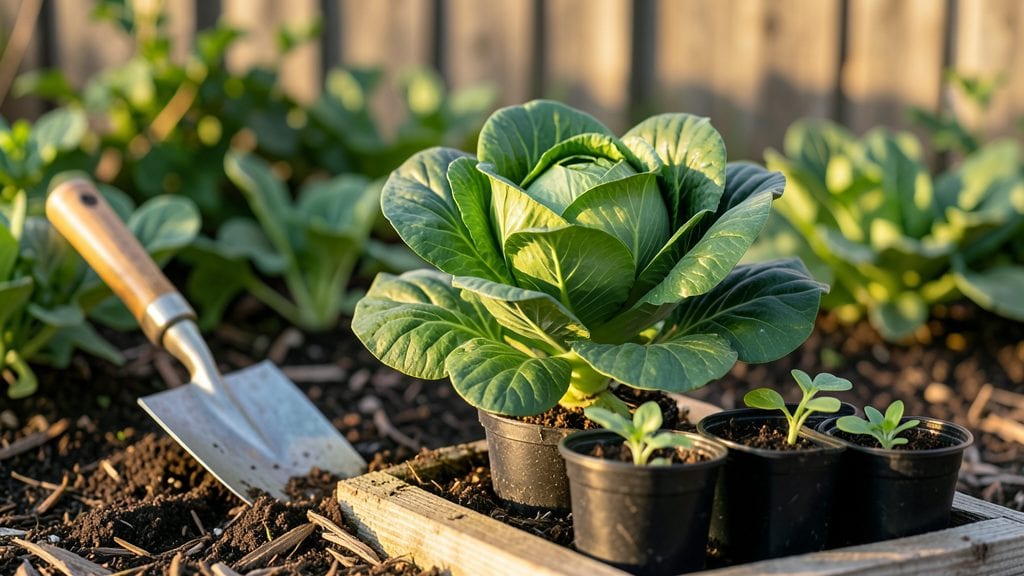
Proper cabbage garden spacing is the difference between a lush, high-yield harvest and a garden full of stunted, disease-prone heads 🥬.
If you’ve ever watched your cabbage plants stretch toward the sky like they’re reaching for more space—or worse, seen them bolt before forming a proper head—you know spacing matters more than most gardeners realize.
Cabbage thrives when given room to breathe, but cramming too many plants together invites pests, fungal diseases, and competition for nutrients. The right distances depend on your variety, soil, and climate, and I’ve got the exact measurements that work in USDA Zone 6a (and beyond).
In this guide, you’ll learn the science-backed spacing for head cabbage, bok choy, and savoy types, plus how to adjust for containers, raised beds, and succession planting. Let’s turn those crowded rows into a bountiful harvest.
Optimal cabbage plant spacing by variety type (with visual guide)
Cabbage isn't a one-size-fits-all crop when it comes to spacing. Different varieties have unique growth habits that demand precise distances to thrive. Head cabbage needs room to form tight, dense heads, while bok choy grows compactly and tolerates closer spacing.
Getting these distances right prevents disease spread through improved air circulation and ensures each plant gets enough nutrients and sunlight.
I've grown dozens of cabbage varieties over the years, and the spacing differences truly matter. Savoy cabbage, for example, requires more room than Napa cabbage because its crinkled leaves need extra space to develop properly.
Even within head cabbage, varieties like Golden Acre (dwarf) and Hubbard (giant) have dramatically different spacing needs.
Here's the key: row spacing (distance between rows) and plant-to-plant spacing (distance within rows) work together. Most gardeners focus only on the latter, but rows that are too close create shady conditions where diseases like clubroot thrive. Let's break down the science-backed distances for each popular variety.
🌱
When planning your cabbage garden layout, start by sketching your rows based on the row spacing requirements. For example, if you're growing standard head cabbage, mark rows every 30-36 inches.
Then, within each row, place plants every 18-24 inches. This creates a grid pattern that maximizes sunlight exposure for every plant.
I recommend using a garden twine or string line to mark your rows before planting. This helps maintain straight lines and consistent spacing, especially when working with larger varieties like Hubbard cabbage.
For smaller varieties like bok choy, you can use a square foot gardening approach with 12-inch spacing between plants.
Another critical factor is companion planting. The table above shows ideal companions for each variety, but there are also plants to avoid. Never plant cabbage near tomatoes or potatoes, as they share diseases.
Instead, interplant with onions or garlic to deter pests naturally. I've seen cabbage maggot infestations drop by 70% when using this method.
For container gardening, adjust spacing downward by about 25%. A 5-gallon pot can comfortably hold one dwarf cabbage plant with 12-inch spacing, while a 15-gallon container might fit two bok choy plants. Always ensure containers have drainage holes to prevent root rot from overwatering.
🌿
Common cabbage spacing mistakes that kill your harvest (and how to fix them)
If your cabbage plants are looking stunted or yellowing despite your best efforts, spacing mistakes might be the culprit. I’ve seen gardeners accidentally sabotage their harvests by either cramming too many plants together or leaving them too far apart.
Both extremes create problems—overcrowding starves plants of nutrients, while under-spacing invites pests and diseases. Let’s fix this before your cabbage heads stay small or rot.
First, let’s tackle the most common mistake: overcrowding. When cabbage plants compete for water, nutrients, and sunlight, they’ll show you the struggle with yellowing leaves and stunted growth. I’ve even seen plants bolt (send up a flower stalk) prematurely when they’re stressed from overcrowding.
This is a clear sign your spacing is too tight, and your harvest will suffer if you don’t act now.
⚠️
If your cabbage plants are showing these signs, act fast:
- Yellowing leaves (especially lower leaves)
- Stunted growth (plants not reaching maturity)
- Premature bolting (flower stalks forming)
- Small, loose heads (instead of firm, dense cabbages)
Solution: Thin your plants to 18-24 inches apart immediately. For existing gardens, carefully transplant the healthiest seedlings to a new spot with proper spacing.
On the flip side, under-spacing cabbage plants might seem like a safe bet, but it creates its own set of problems. When plants are too far apart, you’ll notice poor air circulation, which traps moisture and invites fungal diseases like downy mildew.
I’ve also seen under-spaced gardens attract more cabbage worms and aphids because the plants can’t "defend" themselves through natural competition. Plus, you’re wasting valuable garden real estate that could be used for other crops!
Here’s how to fix it if you’ve already planted: Start by mapping your garden and measuring the distance between each plant. If they’re more than 24 inches apart, consider adding a companion plant like radishes or lettuce in between to maximize space.
For existing plants, you can also interplant fast-growing crops like bush beans or carrots in the gaps—they’ll mature before your cabbage fills in.
For container gardens, spacing mistakes are even more critical because roots compete for limited space. If you’re growing cabbage in pots, limit yourself to one plant per 12-inch container or two small varieties in a 16-inch pot.
I’ve seen gardeners try to squeeze three cabbage plants into a 5-gallon bucket, and the results? Puny heads and nutrient starvation. Stick to the one plant per 12 inches rule, even in containers.
Finally, don’t forget about row spacing. Many gardeners focus only on the distance between plants but neglect the space between rows. Cabbage needs 18-24 inches between rows for proper airflow and easy harvesting.
If your rows are too close, you’ll struggle to reach the center plants without damaging them. Use a garden twine or stakes to mark your rows before planting to avoid this common oversight.
By correcting these spacing mistakes now, you’ll give your cabbage the room it needs to grow into healthy, market-sized heads. Trust me, your future self (and your dinner table) will thank you! 🥬