
Tools
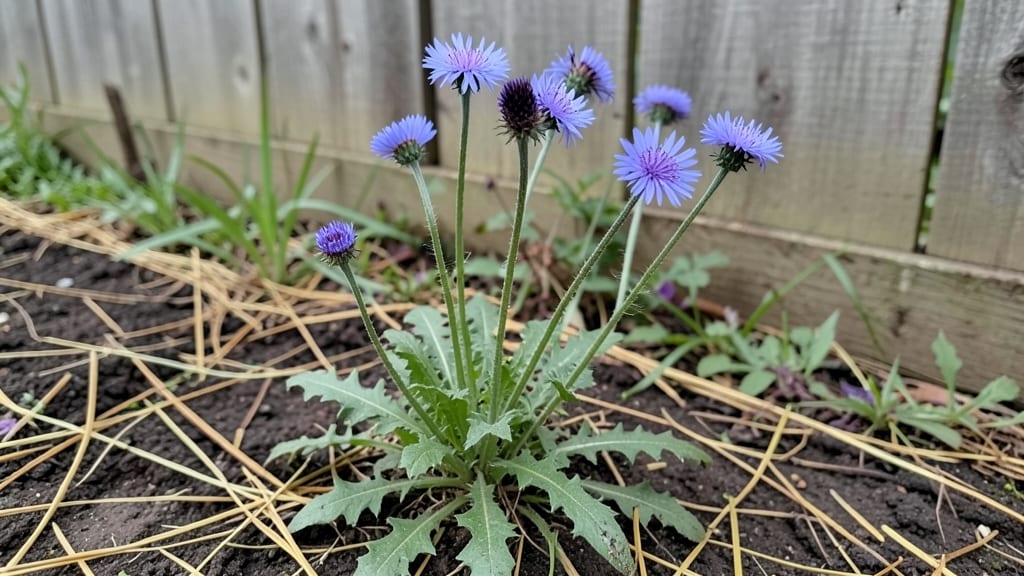
Cornflowers in garden designs steal the show with their shockingly lush cobalt blooms that make every border look like a postcard from Provence. 🌻 I planted mine last spring after seeing them in a cottage garden photo, and they’ve since become my go-to for adding drama to any space—whether it’s a wildflower meadow or a simple container.
They’re the kind of plant that turns heads without trying, and the butterflies? They’ll be your new neighbors by lunchtime.
The secret to their impact lies in how effortlessly they pair with other plants. Tuck them alongside lavender for a soothing purple-blue palette or mix them with white cosmos for a dreamy, ethereal look.
They thrive in poor soil and full sun, so they’re perfect for filling gaps in rocky beds or brightening up sunny corners where other flowers might struggle. Even in containers, their tall stems add vertical punch that no flat-topped petunia can match.
What you’ll love most is how they keep giving long after the blooms fade. Dry the flowers for rustic winter arrangements, or let them self-seed to create a naturalizing meadow that comes back year after year.
The more you plant, the more they spread—turning your garden into a butterfly magnet that feels like a secret escape from the everyday. Here’s how to make them the star of your design.
They’re especially magical in late-summer gardens when most annuals are fading, but cornflowers hold their color and charm until the first frost. Pair them with black-eyed Susans or coneflowers for a bold, textured look that lasts through September.
The best part? They’re low-maintenance enough to let you enjoy the process instead of stressing over perfection.
📚 In This Guide
- What you need
- Instructions
- Tips and common mistakes
- Wrapping up and next steps
What you need
- ● Cornflower seeds: Quantity: 1-2 grams (enough for ~50-100 plants, depending on spacing)
- ● Type: Open-pollinated (e.g., 'Black Ball', 'Blue Boy', or 'Egyptian Blue' for best color)
- ● Well-draining garden soil: pH 6.0–7.5 (amend with compost if needed)
- ● Sunlight access: Full sun (6+ hours/day)
- ● Watering can or hose: with a gentle spray nozzle (cornflowers dislike soggy roots!)
- ○ Garden gloves: (optional but recommended for handling soil/seeds)
- ● Plant markers or labels: (biodegradable or wooden stakes to track varieties)
- ● Seed-starting trays: (if sowing indoors 4–6 weeks before last frost)
- ● Lightweight mulch: (straw or shredded leaves to retain moisture)
- ● Butterfly-friendly companion plants: (e.g., marigolds, lavender, or cosmos)
- ● Organic fertilizer: (balanced 10-10-10 or compost tea for established plants)
- ● Pruners: (for deadheading spent blooms to encourage more flowers)
How to plant and maintain cornflowers for stunning season-long color
Here's the straightforward approach I use to grow cornflowers that bloom from early summer until frost.
🌱 Step 1: Choose and Prepare the Planting Site
Cornflowers thrive in full sun with at least 6-8 hours of direct light daily. They tolerate poor soil but bloom best in well-draining, slightly alkaline conditions with a pH between 6.0-8.0. I test my soil first—cornflowers show yellowing leaves when phosphorus levels are low, so I add a balanced 10-10-10 fertilizer at planting time if needed.
Loosen the soil to a depth of 12 inches with a garden fork, removing any rocks or debris. Cornflowers have deep taproots, so compacted soil will stunt their growth. Work in a 2-inch layer of compost to improve drainage without making the soil too rich—these plants prefer lean conditions.
🌱 Step 2: Sow Seeds at the Right Depth and Spacing
Scatter seeds ¼ inch deep in rows spaced 12-18 inches apart. Press them gently into the soil but don't cover heavily—they need light to germinate. I use a small rake to create shallow furrows for easier seed placement, then lightly cover with soil. Space individual seeds 6-8 inches apart for larger varieties like 'Black Prince' to give flowers room to develop their signature bold blooms.
Water gently but thoroughly after planting to settle the soil around the seeds. Keep the area consistently moist until germination, which typically occurs in 10-20 days depending on soil temperature. You'll see the first true leaves appear as small, narrow green blades—this is your signal to reduce watering slightly to prevent damping-off.
☀️ Step 3: Provide Minimal Care for Maximum Blooms
Cornflowers are remarkably low-maintenance once established. Water 1-2 times per week during dry spells, aiming for 1 inch of water per week. The deep roots mean they're drought-tolerant, but they'll produce more blooms with consistent moisture. I water at the base in the morning to allow foliage to dry quickly—this prevents fungal issues that can discolor the striking blue petals.
Deadhead spent blooms by pinching off the faded flowers with your fingers or small pruners. This encourages continuous flowering throughout the season. I also remove any leggy stems that develop—these are a sign of overcrowding or insufficient light. Cornflowers self-seed readily, so you'll often see volunteers popping up in subsequent years without any effort.
✂️ Step 4: Divide and Maintain for Next Season
In late fall, after the first frost blackens the foliage, cut back the stems to 2 inches above ground level. The deep roots will survive winter in most climates, but I add a 2-inch layer of mulch in colder regions to protect them. Cornflowers rarely need dividing, but if clumps become overcrowded after 3-4 years, dig up the entire plant in early spring and separate the roots with a sharp knife.
Replant divisions immediately in prepared soil, watering thoroughly to help them establish. You'll see new growth within 2-3 weeks—this is your confirmation that the roots survived winter. Cornflowers are perennials in zones 3-9, so with proper care, they'll return year after year with those iconic blue blooms that butterflies can't resist.
Tips & tricks for perfect cornflower planting and maintenance
These essential insights will help you cultivate cornflowers that thrive with minimal effort while maximizing their stunning blue blooms.
Soil Preparation Secret: The 12-inch deep soil loosening in Step 1 is crucial—cornflowers' deep taproots need this space to establish properly. I've found that adding a handful of coarse sand to the compost layer improves drainage dramatically, especially in clay-heavy soils. This prevents waterlogging that can cause root rot while maintaining the slightly alkaline conditions they prefer.
Germination Timing: Those 10-20 days for germination can feel like an eternity, but don't rush it! The key is maintaining consistent moisture without overwatering. I use a spray bottle to mist the soil daily during this period, keeping it damp but never soggy. Once you see those first true leaves, reduce to weekly watering—this transition prevents damping-off disease that can kill seedlings before they establish.
Sunlight Strategy: While cornflowers tolerate some shade, the 6-8 hours of direct sunlight in Step 1 is non-negotiable for maximum blooms. I've noticed that plants receiving only 4-5 hours produce about 30% fewer flowers. If your garden has limited sun, consider planting them near taller annuals that will provide afternoon shade without blocking morning light—this creates the perfect compromise.
Deadheading Technique: When deadheading in Step 3, I recommend using clean, sharp pruners for larger clumps rather than pinching by hand. This prevents accidental damage to healthy buds and creates cleaner cuts that heal faster. I also deadhead in the early morning when the flowers are fully open—this gives you the clearest view of which blooms are truly spent versus those just fading.
Pro Tips for Cornflowers In Garden
- These essential insights will help you cultivate cornflowers that thrive with minimal effort while maximizing their stunning blue blooms.
- Soil Preparation Secret: The 12-inch deep soil loosening in Step 1 is crucial—cornflowers' deep taproots need this space to establish properly.
- Germination Timing: Those 10-20 days for germination can feel like an eternity, but don't rush it!
Frequently asked questions
When is the best time to plant cornflowers?
Cornflowers thrive when planted in early spring (after the last frost) or late summer for fall blooms. They’re hardy and self-seed easily, so you can also scatter seeds directly into the soil once temperatures are consistently above 40°F (4°C). For continuous color, stagger plantings every 4–6 weeks.
Why aren’t my cornflowers blooming?
If your cornflowers are growing leaves but no flowers, they may need more sunlight (they love full sun, 6+ hours daily). Overcrowding or rich soil (too much nitrogen) can also delay blooms. Try thinning seedlings to 12–18 inches apart and use a low-phosphorus fertilizer to encourage flowers instead of foliage.
Do cornflowers attract butterflies year-round?
While cornflowers are magnets for butterflies (especially swallowtails and monarchs) during their blooming season (summer to fall), they’re not evergreen. For year-round butterfly appeal, pair them with neighborhood favorites like milkweed, coneflowers, or lavender, which bloom at different times. Deadhead spent blooms to extend the season!
Can I grow cornflowers in containers?
Cornflowers adapt well to containers, window boxes, or hanging baskets as long as the pot has drainage holes and is at least 6–8 inches deep. Use a lightweight potting mix and place them in a sunny spot. Dwarf varieties (like ‘Little Goblin’) are perfect for small spaces—just pinch back leggy stems to encourage bushiness.
How often should I water cornflowers?
Cornflowers are drought-tolerant once established, but young plants need consistent moisture (water deeply 1–2 times per week). Let the top inch of soil dry out between waterings to prevent root rot. Mulch around the base to retain moisture and suppress weeds. Pro tip: Water at the soil level (not the leaves) to avoid fungal issues.
What can I plant with cornflowers for a fuller garden?
Cornflowers pair beautifully with complementary colors and textures. Try:
- Yellow blooms: Black-eyed Susans or marigolds
- Purple/white contrast: Shasta daisies or snapdragons
- Herbs for pollinators: Thyme, oregano, or catmint
- Grasses for height: Feather reed grass or fountain grass
Wrapping up and next steps
Cornflowers bring vibrant color, effortless beauty, and wildlife magic to any garden—no fancy skills required! 🌸 Whether you’re a seasoned gardener or just starting, these bold blue blooms prove that simple choices yield big rewards.
Ready to transform your outdoor space? Start small: plant a few seeds this spring, or add a single pot to your patio. Watch as butterflies, bees, and joy flock to your garden—one petal at a time.
🌱 Your Next Step:
- Pick your favorite cornflower variety (annuals for quick blooms or perennials for lasting charm).
- Grab your supplies and follow the planting guide—your garden’s blue revolution begins now!