
Landscaping
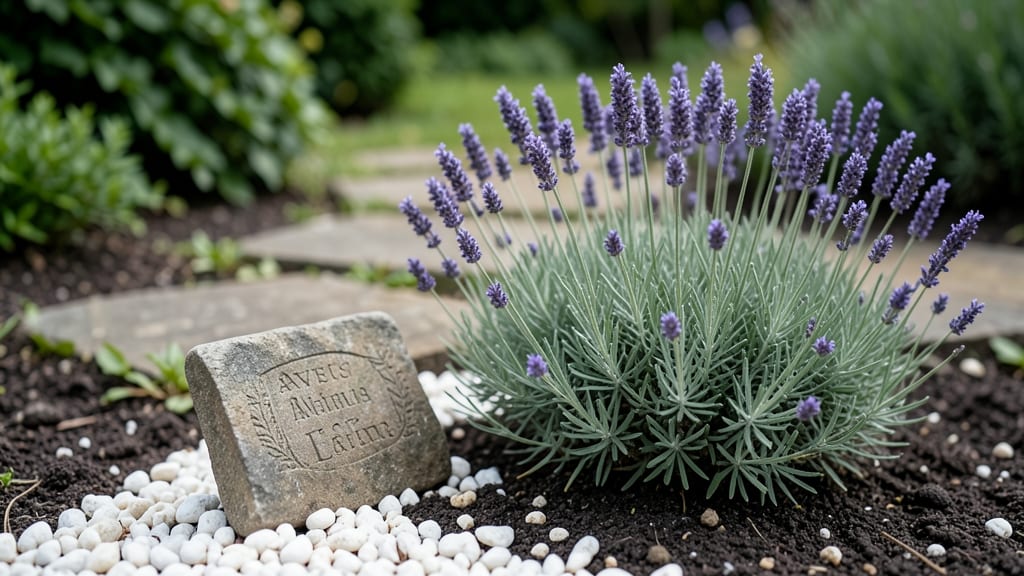
A cremation garden design becomes more than a space—it becomes a living tribute where love grows alongside the seasons. 🌿 I’ve designed these spaces for families who want their memorial to feel alive, not static, blending ashes with plants that thrive year-round.
The key is choosing plants that reflect the person’s spirit while requiring minimal upkeep, so the garden stays vibrant without overwhelming maintenance.
Start with a theme that resonates—whether it’s a natural woodland feel, a minimalist Zen retreat, or a riot of seasonal blooms. Perennials like lavender, hostas, and ornamental grasses provide structure, while low-maintenance shrubs such as boxwood or dwarf lilacs add texture.
For ash scattering, opt for areas with loose soil and dappled shade, where delicate wildflowers can take root naturally.
Imagine a quiet corner where a bench frames a small tree planted with ashes at its roots, its leaves whispering stories every time the wind moves.
The design should include subtle markers—perhaps a smooth river stone or a hand-painted plaque—so visitors can sit, reflect, and feel connected to the person honored. Sustainability matters too: native plants reduce watering needs, and mulch keeps the soil healthy without chemicals.
Personalization turns a garden into a sanctuary. Add a favorite quote etched into a stone, a wind chime that makes soft music, or a path winding through the space for quiet walks.
The goal isn’t perfection—it’s creating a place where memories can grow as steadily as the plants. Let’s bring that vision to life, one thoughtful detail at a time.
📚 In This Guide
- What you need
- Instructions
- Tips and common mistakes
- Wrapping up and next steps
What you need
- ● Native plants (perennials & evergreens): 10–20 plants (e.g., hostas, ferns, boxwood, hemlock, or rhododendrons) for structure and color.
- ● Mulch: 2–3 cubic yards (organic, like cedar or pine, to retain moisture and suppress weeds).
- ● Memorial elements: 1–2 urns or scatter containers (ceramic, stone, or biodegradable).
- ● 1–3 engraved markers or plaques (weather-resistant materials like bronze or slate).
- ○ Optional: Wind chimes, solar-powered lights, or a small bench.
- ● Soil amendments: Compost or peat moss (1–2 bags) to improve drainage for delicate plants.
- ● Digging tools: Shovel, trowel, and garden fork (for planting and soil prep).
- ● Measuring & layout: Measuring tape, stakes, and string (for designing borders or pathways).
- ● Watering: Garden hose with adjustable nozzle or a watering can (for gentle hydration).
- ● Pruning: Hand pruners or shears (for shaping plants and maintaining the space).
- ○ Optional: Wheelbarrow (for transporting materials), knee pads (for comfort), and a level (for even marker placement).
- ● Location: Partial shade to full sun (check plant tags for sunlight needs).
- ● Drainage: Ensure the area isn’t prone to waterlogging (elevate urns if needed).
- ● Permits: Check local regulations—some areas require approval for memorial gardens.
- ● Budget: $200–$1,000+ (depending on plant selection, materials, and labor).
Step-by-Step instructions for designing a cremation garden
Here's how to create a peaceful memorial space that honors your loved one with beauty and meaning.
🪴 Step 1: Choose a Thoughtful Location
Select a spot that feels sacred to you—perhaps near a favorite tree, along a quiet path, or where sunlight filters gently through the leaves. The location should be accessible for regular visits but also offer moments of quiet reflection. I like to choose areas with natural features like gentle slopes or existing plantings, as they create an organic connection to the land.
Consider the garden's exposure: 4-6 hours of sunlight works well for most memorial plants, but shaded areas can be just as meaningful with shade-tolerant varieties. Test the spot throughout the day to understand how light and wind move across it—this will guide your plant choices later.
🌱 Step 2: Plan Your Memorial Elements
Start with a focal point that represents your loved one—this could be a stone marker, a small wooden plaque, or even a wind chime that carries their favorite melody. I often include a simple bench or seating area where visitors can sit and remember. Arrange elements so they feel intentional rather than scattered.
Next, sketch a rough layout. Include paths for easy access, especially if the garden will be visited in all seasons. Leave space for future additions—memorial gardens evolve as memories grow. I like to draw my plans on graph paper first, then walk the space to visualize the scale.
☀️ Step 3: Select Year-Round Plants
Choose plants that offer color, texture, and seasonal interest to keep the garden vibrant throughout the year. Evergreens like boxwood or juniper provide structure, while heather and ornamental grasses add movement and softness. For flowers, consider lavender (fragrant and drought-tolerant) and roses (symbolic and long-lasting).
Include a few deciduous trees like dogwood or serviceberry for seasonal change—spring blooms, summer shade, and autumn color. I always plant at least one winter interest plant, like holly or camellia, to ensure the garden never feels empty.
💧 Step 4: Prepare the Soil and Plant
Clear the area of weeds and loosen the soil to a depth of 12 inches using a garden fork or tiller. Mix in 2-3 inches of compost to improve drainage and fertility—this is especially important for memorial gardens, where you want plants to thrive with minimal maintenance. I like to work the compost into the top 6 inches of soil for the best results.
Plant your chosen memorial elements first, then add plants according to your layout. Space them based on their mature size—most shrubs need 3-6 feet apart, while perennials can go 12-18 inches apart. Water deeply after planting to settle the soil and encourage root growth. Mulch with 2-3 inches of shredded bark or pine needles to retain moisture and suppress weeds.
⏰ Step 5: Add Finishing Touches and Maintenance Plan
Add final details like garden lights (solar-powered for easy installation) or a small water feature for soothing sounds. I often include a simple path of stepping stones to guide visitors through the space. Label plants with their names if you'd like to share their stories with others.
Create a maintenance schedule to keep the garden looking its best. Water deeply once a week (or more in hot weather) and prune plants as needed to encourage healthy growth. I set reminders for seasonal tasks like fertilizing in spring and cleaning up fallen leaves in autumn—this ensures the garden remains a peaceful retreat year-round.
Tips & tricks for perfect cremation garden design
A few thoughtful strategies can transform your memorial space into a lasting tribute that feels deeply personal.
Location Matters: When selecting your sacred spot in Step 1, consider visiting at different times of day to observe how light and shadows shift. I've found that mornings often create the most peaceful atmosphere—soft sunlight filtering through leaves creates a natural ambiance perfect for reflection. Also, check for any existing drainage patterns; you don't want your memorial garden becoming a muddy mess after rain.
Memorial Element Placement: In Step 2, when arranging your focal points, think about the emotional journey visitors will experience. Place the stone marker or plaque where it's immediately visible upon entering, then arrange seating areas along a gentle path that invites lingering. I like to position benches where visitors can sit while enjoying seasonal views—perhaps near the dogwood tree you'll plant later for spring blooms.
Plant Selection Strategy: For Step 3, consider creating a "memory timeline" with your plants. Place fast-growing annuals like lavender near the focal point for immediate impact, then add slower-growing perennials like roses along the path. I always include at least one fragrant plant (like camellia) near seating areas—scent is incredibly powerful for triggering memories. The 4-6 hours of sunlight mentioned will determine which varieties thrive best in your space.
Soil Preparation Tip: When working with the 12-inch soil depth in Step 4, don't be afraid to go deeper if your area has compacted soil. I've found that adding an extra 2-3 inches of compost to the bottom 6 inches creates a nutrient-rich layer that supports root growth for years. This is especially important for memorial gardens where you want plants to thrive with minimal maintenance—just like the once-a-week watering plan in Step 5.
Pro Tips for Cremation Garden Design
- A few thoughtful strategies can transform your memorial space into a lasting tribute that feels deeply personal.
- Location Matters: When selecting your sacred spot in Step 1, consider visiting at different times of day to observe how light and shadows shift.
- Memorial Element Placement: In Step 2, when arranging your focal points, think about the emotional journey visitors will experience.
Frequently asked questions
Got questions about creating a serene cremation garden? Here are some of the most common concerns—and thoughtful answers—to help you design a meaningful space that honors your loved one year-round.
How soon after cremation can I plant a memorial garden?
There’s no strict timeline, but most families wait at least 1–2 weeks after cremation to allow emotions to settle. If you’re scattering ashes, let the site dry out for a few days first to avoid disturbing the soil. For planted memorials (like urns or in-ground burials), follow the manufacturer’s guidelines—typically 24–48 hours after placement.
What’s the best time of year to start designing my cremation garden?
Spring or early fall are ideal! Spring (March–May) gives plants time to establish roots before summer heat, while fall (September–November) avoids winter freezes. If you’re in a mild climate, you can plant year-round—but avoid extreme temperatures or rainy seasons. Start with a sketch and material list now, so you’re ready when the weather cooperates!
Can I incorporate ashes into the garden without burying them?
Beyond traditional in-ground burials, try these gentle alternatives:
- Tree planting: Mix ashes with soil when planting a memorial tree (like a redwood or dogwood).
- Wildflower seeds: Blend ashes into wildflower seed mixes for a blooming meadow.
- Potted gardens: Scatter ashes in the soil of urns or planters with drought-resistant plants.
- Water features: Some families create small ponds or fountains where ashes can settle naturally.
What if my garden doesn’t stay green year-round? How do I keep it looking vibrant?
Year-round greenery is achievable with smart planning! Use a mix of evergreens (like boxwood or junipers), perennial flowers (such as lavender or hostas), and seasonal accents (e.g., winter berries or spring bulbs). Add mulch to retain moisture, and consider a small water feature or solar lights for ambiance. For colder climates, opt for hardy plants like heather or sedum.
Are there eco-friendly or low-maintenance cremation garden options?
Yes! Prioritize native plants (they require less water and care) and permeable materials like gravel or decomposed granite for pathways. Skip synthetic urns—opt for biodegradable ones or scatter ashes directly. For minimal upkeep, design a self-sustaining garden with drought-tolerant shrubs and ground covers. Solar-powered garden lights or a simple bench can add meaning without maintenance hassles.
What do I do if my garden starts looking overgrown or neglected?
Even the most intentional gardens need TLC! Start with a quarterly check-in:
- Trim overgrown plants (but avoid cutting back perennials in late fall/winter).
- Remove weeds by hand or with mulch to suppress growth.
- Water deeply but infrequently (early morning is best).
- Fertilize sparingly—overdoing it can harm delicate memorial plants.
Wrapping up and next steps
Designing a cremation garden is a deeply personal way to honor loved ones while creating a serene, evergreen sanctuary. By blending meaningful materials, thoughtful plant choices, and intentional layouts, you craft a space that feels both sacred and alive—year after year.
Whether you’re starting from scratch or enhancing an existing plot, every detail can reflect love, memory, and natural beauty.
Ready to bring your vision to life? Start small—sketch a rough design, gather a few key plants, and let the garden grow with your heart’s intention. 🌿✨ Your memorial will thrive as much from the care you put into it as from the love it holds.