
Tools
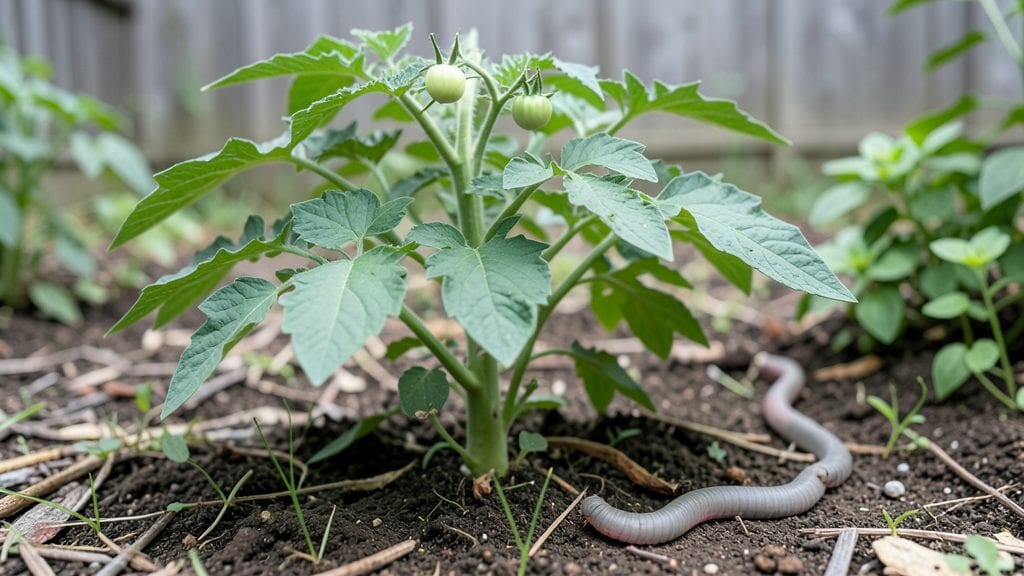
There’s nothing more devastating in a garden than discovering your seedlings sliced clean at soil level by cutworms. Cutworms in garden turn a promising spring into a nightmare of chewed stems and wilted plants overnight—but I’ve learned the swift traps that stop them dead (literally) in their tracks.
The key isn’t just reacting when you spot damage; it’s setting up defenses before they even arrive.
These pale, inch-long caterpillars hide under mulch or leaves by day, then emerge to devour stems at night. Most gardeners panic and reach for pesticides, but the real solution is simple, fast, and chemical-free: cardboard collars, beer traps, or even a flashlight at dusk.
I’ve saved entire rows of tomatoes and peppers using these methods—no fancy tools required.
You’ll reclaim your garden in under an hour with the right approach. Picture this: no more mysterious wilting, no more missing plants, just healthy seedlings standing tall. The best part? These traps work just as well for vegetables, flowers, and herbs—no matter what you’re growing.
This isn’t just about fixing damage—it’s about long-term protection. Once you understand their habits, you’ll spot them before they strike. Let’s turn your garden back into a thriving, cutworm-free zone without the guesswork.
What Lures These Nighttime Munchers
Cutworms may seem like stealthy garden invaders, but their presence is rarely random. These caterpillars—often the larvae of moths like the armyworm or variegated cutworm—are drawn to your garden by a mix of environmental cues, plant chemistry, and even human habits.
Understanding why they target your plants is the first step to outsmarting them. Let’s break down the science behind their behavior.
Cutworms rely heavily on their sense of smell and taste to locate food. Here’s how your garden might be sending out an all-you-can-eat invitation:
- Rich, moist soil: Cutworms thrive in well-irrigated or recently watered soil because it’s easier for them to burrow and feed. Why? Moisture softens the soil, making it simpler for them to cut through stems at the base (their namesake behavior). Overwatering or poor drainage can create the perfect hideout for these pests.
- Young, tender plants: New seedlings and soft-stemmed plants (like lettuce, beans, or tomatoes) are a cutworm’s dream. Their high water content and delicate stems make them easy prey. Science note: Cutworms detect volatile organic compounds (VOCs) released by stressed or young plants, which act like a dinner bell.
- Decaying organic matter: Compost piles, mulch, or fallen leaves provide both food and shelter. Cutworms may munch on decomposing plant material before moving on to live plants. Pro tip: If you notice wilting plants near mulch, check underneath—it’s a hotspot for these pests.
Cutworms are most active at night, which explains why you might not spot them until damage is done. Their behavior is driven by:
- Cool temperatures: They emerge when nights are cool (50–70°F) and retreat during the day to avoid predators like birds or beetles. Actionable insight: If your garden stays warm at night, consider using row covers or reflective mulch to disrupt their feeding rhythm.
- Moonlight and humidity: Studies show cutworms are more active on moonlit nights because the light helps them navigate. High humidity also keeps their bodies hydrated, making them more active. Fun fact: This is why they’re often called “moon moth” larvae!
- Lack of predators: During the day, cutworms hide in the soil or under debris to avoid birds, toads, and parasitic wasps. If your garden lacks natural predators (e.g., no ground beetles or chickens), their populations can explode.
Believe it or not, some gardening practices accidentally invite cutworms. Here’s how:
| Gardening Practice | Why It Attracts Cutworms | How to Fix It |
|---|---|---|
| Over-fertilizing with nitrogen | Excess nitrogen makes plants grow fast but stay soft and vulnerable. Cutworms love the easy meal. | Use balanced fertilizer (e.g., 10-10-10) and focus on slow-release options. |
| Planting monocultures (e.g., all basil or lettuce) | Large patches of the same plant act like a buffet, making it easier for cutworms to find and devour crops. | Interplant with marigolds, onions, or thyme to disrupt their feeding patterns. |
| Ignoring garden debris | Leaves, stems, and weeds provide shelter and food for cutworm eggs and larvae. | Remove debris regularly and till the soil in fall to expose eggs to predators. |
| Using plastic mulch without edges | Plastic traps heat and moisture, creating a cutworm paradise. They thrive in these microclimates. | Opt for breathable mulch (straw, grass clippings) or secure plastic edges tightly. |
💡 Quick fix: If you’ve noticed cutworms in past seasons, try diatomaceous earth around plant bases in early spring. It’s harmless to plants but deadly to soft-bodied pests like cutworms.
Quick Fixes for Cutworm Damage
Discovering cutworms munching on your garden can feel like a nightmare, but don’t panic—these sneaky pests are beatable with the right strategies. Below, we’ll map out practical solutions based on the most common causes of cutworm infestations, from preventative measures to emergency fixes.
Whether you’re dealing with a sudden outbreak or want to keep your plants safe long-term, these steps will help you reclaim your garden in no time.
Cutworms love to sever seedlings at the base, leaving them looking like they’ve been sliced with a knife. If you’re seeing freshly cut stems with no other signs of damage, this is likely your culprit.
🔥 How to Fix It: Protect Your Seedlings
- 🍳 Create Barriers: Wrap the base of young plants with cardboard collars (cut from egg cartons or cereal boxes) or plastic guards. Push them 1–2 inches into the soil to block cutworms from climbing up.
- 👨🍳 Use Diatomaceous Earth (DE): Sprinkle a thin layer of food-grade DE around the base of plants. This powder damages the cutworms’ exoskeletons, dehydrating them. Reapply after rain.
- 🥘 Plant Repellent Crops: Interplant with marigolds, garlic, or onions, which naturally repel cutworms with their strong scents.
If your established plants suddenly show ragged edges or missing leaves overnight, cutworms are likely hiding in the soil during the day and striking after dark.
🔪 How to Fix It: Nighttime Traps & Disruption
- ⏰ Set Up Beer Traps: Bury a shallow container (like a plastic cup) filled with beer or yeast-water near affected plants. Cutworms are attracted to the smell, drown, and become easy prey for birds or can be disposed of. Refresh every few days.
- 🌡️ Handpick at Dusk: Shine a flashlight on the soil after sunset—cutworms will curl up to protect their heads. Gently scoop them into a bucket of soapy water (they’ll drown instantly).
- 🎯 Use Row Covers: Drape floating row covers over vulnerable plants in the evening. Secure edges with soil or stakes to prevent cutworms from slipping underneath.
Cutworms thrive in damp, mulch-heavy soil where they can stay hidden and feed undetected. If your garden has thick mulch or poor drainage, you’re creating the perfect cutworm hotel.
💡 How to Fix It: Dry Out Their Hideouts
- 🔥 Reduce Mulch Thickness: Cutworms love thick mulch—keep it 1–2 inches deep and avoid piling it directly against plant stems.
- 🌡️ Improve Drainage: Ensure soil isn’t soggy by amending it with compost or sand. Well-drained soil discourages cutworm activity.
- ☀️ Encourage Predators: Attract cutworm natural enemies like ground beetles, parasitic wasps, and birds by planting native wildflowers or leaving some leaf litter in undisturbed areas.
If you’re facing a full-blown cutworm invasion, you’ll need a combination of traps, manual removal, and chemical-free sprays to regain control quickly.
✨ How to Fix It: Emergency Action Plan
- 🔥 Deploy Sticky Traps: Place yellow sticky traps near plants to catch cutworms as they move. Check and replace traps every 2–3 days.
- 🥘 Use Neem Oil Spray: Mix 1 tbsp neem oil + 1 tsp mild soap per quart of water and spray on soil and lower leaves. Neem disrupts cutworms’ feeding and growth.
- 🌱 Rotate Crops: After treating, avoid planting susceptible crops (like tomatoes or peppers) in the same spot for at least 1–2 years to break the cutworm life cycle.
Prevention is always easier than treatment. Here’s how to future-proof your garden:
- 🌱 Interplant with basil or thyme—these herbs deter cutworms naturally.
- 🌡️ Water in the morning (not at night) to reduce humidity, making the soil less inviting for cutworms.
- 🔥 Keep your garden tidy—remove weeds and debris where cutworms hide during the day.
- ✨ Introduce chickens or ducks—they’ll happily snack on cutworms and other pests!
With these strategies, you’ll not only stop cutworms in their tracks but also create a garden that’s less appealing to them in the first place. Happy gardening—your plants will thank you!
Frequently asked questions
How do I tell if cutworms are attacking my garden?
Look for plants that appear freshly cut at the base—like they were sliced with scissors—without any other damage. At night, use a flashlight to spot their curled-up bodies near soil or mulch. They’re pale green or brown, about 1–2 inches long, and hide during the day.
Are cutworms harmful to my entire garden, or just seedlings?
They target seedlings first, but mature plants aren’t safe either! Cutworms will chew leaves and stems of established plants, especially at night. Young plants are most vulnerable, but they’ll move on to anything tender if left unchecked.
Can I use beer traps for cutworms, and how often should I refresh them?
Yes! Bury a shallow container filled with beer near plants—cutworms are attracted to it and drown. Refresh every 2–3 days or after heavy rain. Pro tip: Add a drop of dish soap to break the surface tension and ensure they sink faster.
Will diatomaceous earth work if my soil is wet?
No—diatomaceous earth (DE) loses effectiveness when wet. Reapply after rain or irrigation. For soggy gardens, use cardboard collars or neem oil spray instead. DE works best in dry conditions, so check soil moisture before applying.
Are there any natural predators that can help control cutworms?
Birds, ground beetles, parasitic wasps, and chickens love to eat cutworms. Plant native wildflowers to attract predators, or let leaf litter accumulate in undisturbed areas for beetles to thrive.