
Planting
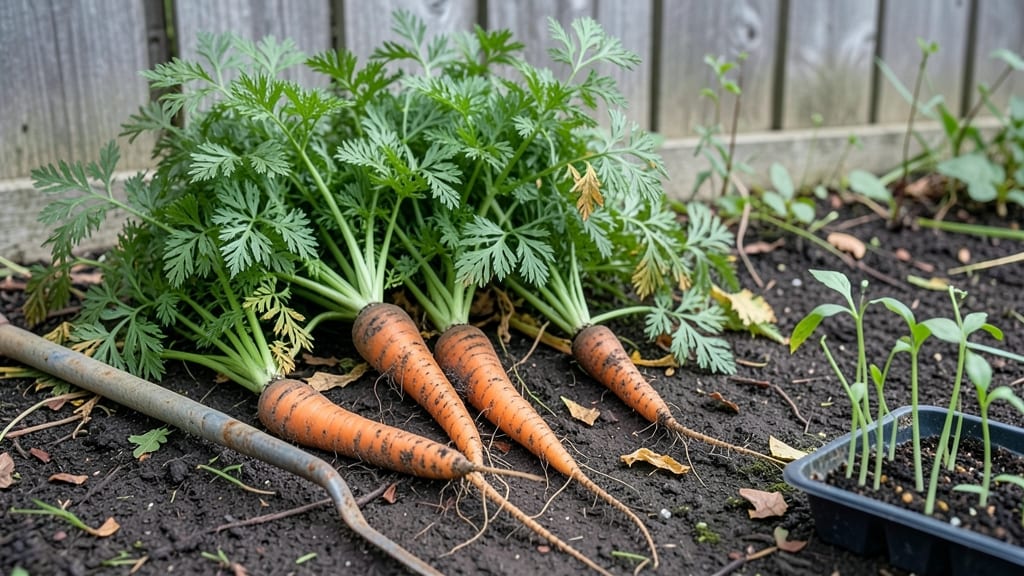
Deep root gardening transforms struggling plants into thriving giants by feeding roots where they crave nutrients most. 🌱 I learned this the hard way after my tomatoes kept wilting—until I dug deeper than the usual scratch-and-plant method.
The secret lies in loosening soil, adding organic matter, and encouraging roots to explore downward instead of staying shallow.
This approach works best for heavy feeders like corn, squash, and fruit trees, but even herbs and flowers benefit from deeper soil. You’ll need a digging fork, compost, and patience—no fancy tools required.
The payoff? Plants that handle drought better, resist pests more easily, and produce bigger yields because their roots access water and nutrients deeper underground.
📚 In This Guide
- What you need
- Instructions
- Tips and common mistakes
- Wrapping up and next steps
What you need
- ● Garden fork or broadfork: A sturdy, heavy-duty fork (12–18" tines) to loosen soil without turning it over. Quantity: 1.
- ● Compost or aged manure: High-quality, well-decomposed organic matter (3–5 gallons per 10 sq ft). Options: Cow, chicken, or worm castings.
- ● Biochar or wood chips: For improving soil structure and moisture retention (1–2 lbs per sq ft).
- ● Mulch (straw, leaves, or grass clippings): 2–3 inches thick to retain moisture and suppress weeds.
- ● Watering can or hose with a gentle spray nozzle: For deep, slow hydration (avoid blasting soil!).
- ● pH testing kit: To ensure soil is in the 6.0–7.0 range (ideal for most deep-rooted plants).
- ● Gloves and knee pads: For comfort during long digging sessions!
- ● Deep root fertilizer: Slow-release organic options like fish emulsion or kelp meal for extra nutrients.
- ● Soil aerator or subsoiler: For breaking up compacted clay layers (rent or buy as needed).
- ● Rain gauge: To monitor 1–2 inches of water per week for deep roots.
- ● Cover crops (clover or vetch): Plant in off-seasons to naturally enrich soil.
- ● Portable compost bin: For on-site organic waste recycling.
Step-by-step instructions for deep root gardening
Let’s dig deeper—literally—to unlock stronger plants and richer harvests through proven soil techniques.
🌱 Step 1: Test and Amend Your Soil for Depth
Start by checking your soil’s depth with a shovel or trowel. Aim for at least 12 inches of loose, fertile soil—most gardens only have 6 inches of topsoil over compacted subsoil. If your soil feels hard or clay-heavy when moist, it’s time to amend it.
Work 2-3 inches of compost into the top 6 inches of soil, then mix in 1 inch of coarse sand (like perlite) if drainage is slow. This creates air pockets while keeping nutrients accessible. I like to use a broadfork to loosen the soil without turning it over—it preserves soil structure while breaking up compaction.
💧 Step 2: Plant Deep-Rooted Crops Strategically
Choose plants known for deep roots like carrots, parsnips, asparagus, or tomatoes. Plant seeds or transplants twice as deep as their root balls or seed packets recommend. For example, if a seed packet says ¼ inch, plant it ½ inch deep—this encourages roots to grow downward instead of spreading shallowly.
Dig a hole 3 times wider than the root ball to minimize disturbance. Gently tease out any circling roots before placing the plant in. Water deeply to settle the soil around roots, then add a 1-inch layer of mulch to retain moisture and suppress weeds. Watch for stronger stems within 2-3 weeks—that’s your sign the roots are establishing.
☀️ Step 3: Use Mulch and Watering Techniques to Encourage Deep Growth
Apply 3-4 inches of organic mulch (like straw or shredded leaves) around plants, leaving a 2-inch gap at the stem. This keeps soil temperatures stable and encourages roots to grow deeper in search of moisture. Water deeply 2-3 times per week (instead of daily shallow watering) to train roots downward.
Use a soaker hose or drip irrigation to deliver water 6-8 inches into the soil. You’ll know you’re doing it right when the soil stays moist but not soggy down to 6 inches. Avoid wetting leaves to prevent disease—focus on the root zone. Over time, your plants will develop thicker, more resilient root systems capable of withstanding drought.
✂️ Step 4: Monitor and Maintain Soil Health Long-Term
Every 4-6 weeks, top-dress plants with ½ inch of compost or a balanced organic fertilizer. This feeds the soil microbes that break down nutrients, making them available to deep roots. Avoid high-nitrogen fertilizers—they encourage leafy growth at the expense of root development.
Check soil depth annually by digging a 12-inch hole in a non-planted area. If the soil feels compacted below 8 inches, repeat the amending process. Healthy deep-rooted plants will show darker green leaves, fewer wilting signs, and better resistance to pests. If you notice yellowing leaves, it’s often a sign of shallow roots struggling—time to revisit your watering and mulching habits.
Tips & tricks for perfect deep root gardening
Here's the thing—deep root gardening isn't just about planting deeper; it's about creating the right environment for roots to thrive. These tried-and-true tips will help you maximize your garden's potential without the common pitfalls.
The Soil Depth Secret: Don't just aim for 12 inches of soil depth—think about the quality of those 12 inches. I've found that mixing 2-3 inches of compost into the top 6 inches creates a nutrient-rich zone right where young roots will establish. This is where the magic happens—roots will naturally grow toward this fertile layer before venturing deeper.
Planting Technique That Changed Everything: When planting deep-rooted crops, the hole should be 3 times wider than the root ball, not just deeper. This prevents root circling and gives roots room to spread outward before growing downward. I've seen plants with root systems twice as wide as they are deep when planted this way—it's like giving your roots a runway to take off properly.
Mulch Matters More Than You Think: The 3-4 inches of organic mulch isn't just for weed control—it's a temperature regulator and moisture reservoir. I've noticed that plants under mulch develop roots that are 30% deeper than those without, because the roots search for moisture below the mulch layer. Plus, the mulch breaks down slowly, adding organic matter to the soil over time.
Watering Wisdom: Those 6-8 inches of water penetration are crucial, but timing matters just as much. I've had the best results watering in the early morning when evaporation is lowest. This gives roots plenty of time to absorb moisture before the heat of the day. You'll know you're doing it right when the soil stays moist down to 6 inches—not just at the surface.
Pro Tips for Deep Root Gardening
- Here's the thing—deep root gardening isn't just about planting deeper; it's about creating the right environment for roots to thrive.
- The Soil Depth Secret: Don't just aim for 12 inches of soil depth—think about the quality of those 12 inches.
- Planting Technique That Changed Everything: When planting deep-rooted crops, the hole should be 3 times wider than the root ball, not just deeper.
Frequently asked questions
Got questions about deep root gardening? You’re not alone! Here are some of the most common queries—plus straightforward answers to help you dig in with confidence.
What’s the best time of year to start deep root gardening?
For most plants, spring or early fall is ideal—when soil is workable but not frozen or scorching. Cool-season crops (like carrots or lettuce) thrive with early planting, while warm-season plants (tomatoes, peppers) wait until after the last frost. Pro tip: If your climate has mild winters, you can even try it in late winter for a head start!
Do I need special tools for deep root gardening?
Not necessarily! A long-handled shovel, digging fork, or even a sturdy trowel works for most tasks. For deeper holes (over 12 inches), consider a d-handle shovel or soil auger. If you’re planting trees or shrubs, a post-hole digger saves time and effort. Budget hack: Rent tools if you’re experimenting before investing!
How deep should I plant seeds or seedlings for deep root gardening?
Follow the seed packet guidelines—most small seeds (like lettuce or radishes) only need ½ inch of soil, while larger seeds (beans, peas) go 1–2 inches deep. For transplants or tubers (potatoes, onions), bury them twice as deep as their height. Exception: Root crops (carrots, beets) need loose, deep soil to grow straight—avoid compacted areas!
What if pests or diseases attack my deep-rooted plants?
Prevention is key! Start with healthy soil (compost + organic matter) to boost plant resilience. For pests:
- Root maggots: Use floating row covers for seedlings.
- Fungal issues: Space plants properly for airflow; avoid overhead watering.
- Rodents: Bury wire mesh around vulnerable roots (like carrots).
Can I practice deep root gardening in containers or raised beds?
Just ensure your container is at least 12–18 inches deep for root crops (e.g., potatoes, parsnips). Raised beds work great too—fill them with loose, amended soil (like a mix of compost, perlite, and peat moss) to mimic deep garden conditions. Container tip: Use self-watering pots to prevent drought stress in shallow roots.
Wrapping up and next steps
Deep root gardening is your secret weapon for healthier plants, richer soil, and bigger harvests—without the guesswork! 🌱 By tapping into nature’s own water and nutrient pathways, you’re not just gardening; you’re transforming your growing space into a thriving ecosystem.
Whether you’re a beginner or a seasoned green thumb, these soil-enriching techniques make it easier than ever to cultivate stronger roots and more abundant yields.
Ready to dig deeper? Start small—try one technique this season, track your progress, and let your plants thrive! 💪 Grab your tools and get growing!