
Pests
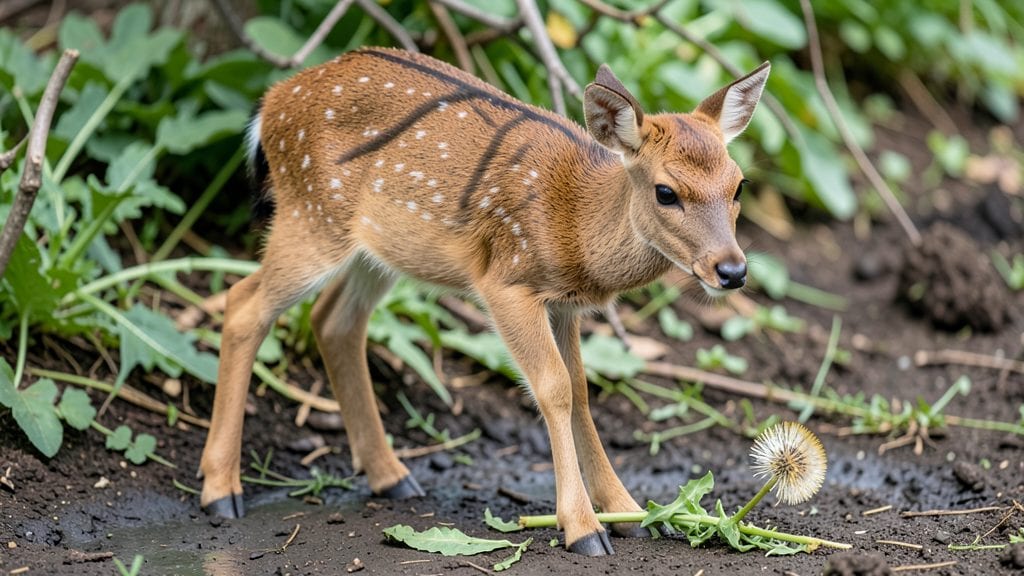
Deer-proofing your garden starts with understanding why these graceful browsers turn your plants into their all-you-can-eat buffet. 🌿 I’ve watched my carefully tended hostas reduced to chewed stubs overnight—until I learned their secret: deer follow scent trails, love tender young growth, and see fences as mere suggestions.
The good news? You don’t need expensive commercial sprays or industrial-grade fencing to outsmart them.
My first breakthrough came from a neighbor who swore by hot pepper wax—a mix of cayenne pepper, water, and soap that deer hate the smell of. Other natural barriers like physical plantings (boxwoods, daffodils, and Russian sage) or motion-activated sprinklers work surprisingly well.
Even a 8-foot fence (yes, taller than you’d think) with a slight outward angle at the top stops them cold. The key is combining multiple tactics so deer get the message: "This garden is off-limits."
What you’ll end up with is a garden that thrives without constant vigilance. No more waking up to find your roses skeletonized or your veggies trampled. Instead, you’ll enjoy the peace of mind that comes with knowing your hard work is protected—while still letting nature do its thing.
The best part? These solutions work year after year, adapting as deer habits change.
Whether you’re dealing with suburban deer or a full-blown woodland herd, the right mix of scent deterrents, strategic plantings, and smart fencing will keep them at bay. Let’s turn your garden back into a sanctuary—not a salad bar.
What Draws Deer Into Gardens
Deer may seem like gentle creatures, but they’re also highly opportunistic foragers—and your garden is likely a buffet they can’t resist. Understanding why deer invade your outdoor space is the first step to keeping them away for good.
Here’s a breakdown of the key factors that turn your yard into a deer magnet.
Deer are herbivores with an insatiable appetite, and your garden may be offering their favorite snacks—even if you didn’t realize it. Native plants, ornamental shrubs, and vegetables are often on their menu, especially during late spring, summer, and early fall when food is scarce elsewhere.
- 🌿 Preferred Plants: Deer love tender, young shoots and leaves. Hostas, daylilies, roses, tulips, and fruit trees are prime targets. Even "deer-resistant" plants can fall victim if the deer are desperate enough.
- 🍅 Edible Gardens: Vegetable patches with lettuce, beans, peas, and corn are like a five-star restaurant to deer. A single browsing can strip an entire row in minutes.
- 🌾 Lawns & Clovers: While not as nutritious as flowers or veggies, deer will graze on grass and clover, especially in dry spells when other food sources dwindle.
💡 Pro Tip: If you’ve noticed sudden "bite marks" on plants or trampled areas, your garden is likely a known deer feeding ground. Remove or replace high-value plants with deer-deterrent alternatives.
Deer are prey animals, so they rely on their keen senses to detect danger. If your garden lacks the usual threats (like coyotes, wolves, or even humans), they’ll feel safe enough to linger—and snack. Urban and suburban areas, where predators are rare, often see higher deer activity.
- 🚫 Fewer Scare Tactics: In the wild, deer avoid open areas where they’d be visible to predators. If your yard is spacious with few hiding spots, they’ll browse freely.
- 👶 Human Presence Isn’t Enough: While deer may flee if they see you, they quickly learn that gardens in quiet neighborhoods are low-risk. Once they associate your yard with safety, they’ll return.
- 🌲 Overgrown Brush as Cover: Tall weeds, dense shrubs, or untrimmed hedges provide deer with hiding spots to approach undetected. They’ll use these as "highways" to sneak into your garden.
💡 Pro Tip: Introduce motion-activated deterrents or maintain open sightlines to remind deer that your property isn’t a free-for-all.
Deer behavior shifts with the seasons, and certain conditions make your garden even more appealing. Drought, late winter, and early spring are peak times for deer raids because natural food sources are limited.
| Season | Why Deer Visit | What They Target |
|---|---|---|
| 🍂 Fall | Deer bulk up for winter by eating everything in sight. | Acorns, apples, ornamental berries, and garden veggies. |
| ❄️ Winter | Snow covers natural food, forcing deer to raid gardens for exposed plants. | Evergreens (like pine), bark, and any remaining bulbs. |
| 🌱 Spring | New shoots and tender leaves are high in nutrients—deer’s favorite! | Hostas, lilies, tulips, and emerging perennials. |
| ☀️ Summer/Drought | Deer seek out water sources (like sprinklers) and whatever greens remain. | Grass, clover, and drought-resistant plants (if they’re edible). |
💡 Pro Tip: Timing is everything. If deer are hitting your garden in late winter or early spring, focus on physical barriers before new growth emerges.
Believe it or not, some of your own behaviors might be inviting deer to your property. Unintentional feeding, poor waste management, and even landscaping choices can send the message: "This place is full of easy meals!"
- 🍖 Accidental Feeding: Leaving pet food outside, compost piles, or even birdseed can attract deer. Once they associate your yard with food, they’ll keep coming back.
- 💧 Water Sources: Ponds, leaky hoses, or birdbaths provide hydration, making your garden a deer oasis—especially in dry spells.
- 🌲 Overuse of Deer-Friendly Plants: If your landscape is packed with deer favorites (like azaleas, rhododendrons, or fruit trees), they’ll see your yard as a must-visit spot.
- 🌙 Nighttime Lighting: While deer have excellent night vision, bright or flickering lights (like security lights) can actually attract them by creating a sense of safety.
💡 Pro Tip: Conduct a deer audit of your property. Remove food sources, secure trash cans, and eliminate standing water to send the message: "This isn’t a buffet—move along!"
Natural Ways to Keep Deer Out
Deer can turn your garden into their personal buffet, but the good news is you don’t need harsh chemicals or expensive fences to stop them. With the right strategies, you can create a deer-resistant garden that’s both effective and eco-friendly.
Below, we’ve mapped out practical solutions based on common causes of deer visits—so you can tackle the problem at its source.
Deer are curious and persistent, so the first line of defense is making your garden less inviting. Physical barriers disrupt their browsing habits without harming them.
🔥 Install a Tall Fence (8+ Feet High)
- Deer can easily jump over short fences (4–6 feet), but an 8-foot-tall fence is a surefire deterrent.
- Use wood, vinyl, or chain-link—just ensure it’s buried 6–12 inches deep to prevent digging underneath.
- Pro Tip: 💡 If fencing isn’t an option, try deer-resistant plants along the perimeter to create a natural buffer.
🍳 Use Repellent Sprays (Non-Toxic & Effective)
Commercial sprays (like Liquid Fence or Deer Out) contain putrescent eggs or predator urine scents that deer dislike.
For a DIY version: - Mix rotten eggs, garlic, or hot peppers with water and spray on plants. - Reapply every 5–7 days or after rain.
👨🍳 Plant Deer-Resistant Alternatives
Some plants are naturally unappealing to deer. Swap their favorites (like hostas, roses, and tulips) for:
- Lavender (strong scent deters them)
- Marigolds (bitter taste)
- Russian Sage (woody, unpalatable)
- Boxwood & Holly (thorny or tough leaves)
Deer rely on smell and sight, so confusing their senses can keep them away.
🎯 Scare Them with Motion-Activated Devices
- Motion-activated sprinklers (like ScareCrow) spray water when deer approach—startling them without harm.
- Ultrasonic repellents emit high-frequency sounds that irritate deer (but are harmless to humans and pets).
- Predator urine flags (coyote or wolf urine) mimic natural threats.
🔪 Hang Reflective Objects
Deer are spooked by shiny, moving things. Try:
- Old CDs, aluminum pie pans, or wind chimes on strings.
- Reflective tape on fences or stakes.
- Moving pinwheels (cheap and effective).
Deer get used to the same tricks, so combine methods and change them seasonally for best results.
| Problem | Solution | Prevention Tip |
|---|---|---|
| Deer keep returning | Switch repellent sprays every 2 weeks | Plant a deer-resistant hedge as a border |
| Young saplings get eaten | Wrap trunks in hardware cloth | Use mulch rings to hide vulnerable roots |
| Nighttime browsing | Install solar-powered lights | Avoid planting near wooded edges |
🌟 Bonus Tip: 🌱 Feed Them Elsewhere! If deer are a recurring issue, consider setting up a wildlife-friendly feeding station in a distant area to redirect their attention.
By using a mix of barriers, scents, and smart plant choices, you can create a garden that’s deer-proof without the hassle. Start with one or two methods, observe what works, and adjust as needed—your garden (and your sanity) will thank you!
Frequently asked questions
What are the most effective deer-resistant plants for my garden?
Deer tend to avoid plants with strong scents or prickly textures. Try lavender, Russian sage, boxwoods, or marigolds—these are naturally unappealing. For vegetables, onions, garlic, and peppers (especially hot varieties) usually deter them. Even ferns and ferns (like maidenhair fern) are often left alone.
Will a 6-foot fence actually keep deer out?
No, deer can easily jump over a 6-foot fence. For reliable protection, install an 8-foot-tall fence with a slight outward angle at the top. If fencing isn’t possible, combine repellents and motion-activated sprinklers for better results.
How often should I reapply deer repellent?
Most commercial repellents (like Liquid Fence) last 5–7 days or until heavy rain. For DIY sprays (garlic/pepper mixes), reapply every 3–5 days. Always check the label—some require more frequent applications during peak browsing seasons (spring/fall).
Can I use predator urine to keep deer away?
Yes! Coyote or wolf urine (available at garden centers) mimics natural threats. Refresh the scent every 2–4 weeks or after rain. For stronger results, combine it with reflective objects or motion-activated sprinklers—deer learn quickly, so rotate methods seasonally.
What should I do if deer are already eating my plants?
Act fast! First, remove damaged plants to discourage repeat visits. Then, apply a repellent spray and install physical barriers (like hardware cloth around young trees). For severe cases, consider a temporary electric fence (low voltage, safe for wildlife) until other methods take effect.