
Tools
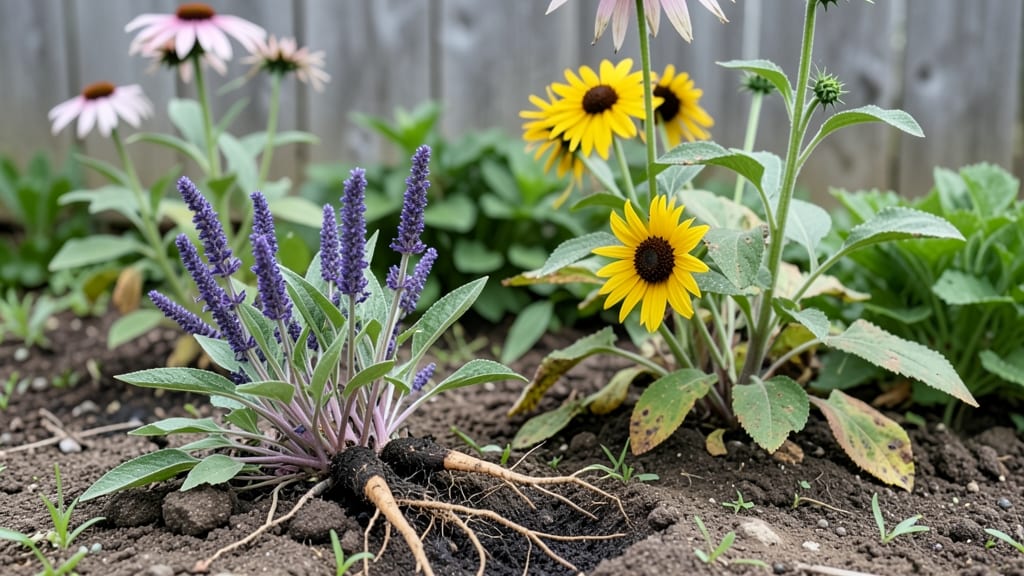
Proper flower garden preparation sets the stage for stunning season-long blooms—so knowing when to act is key. I’ve learned that rushing in too early or waiting too long can mean the difference between a garden that thrives all season and one that struggles to take off.
The key is matching your tasks to your climate’s first frost date and local planting zones, so you’re not fighting the weather but working with it.
You’ll need just a few essentials: a soil test kit to check pH and nutrients, basic tools like a spade, rake, and pruners, and a clear layout plan for sun exposure and plant spacing.
Most gardeners overlook soil prep, but amending with compost or aged manure now means your flowers will establish roots faster and bloom stronger. Think of it as giving your plants the best possible start—like setting the foundation for a house before you build the walls.
By following a simple checklist—clearing debris, testing soil, marking plant locations, and prepping beds—you’ll create a garden that looks effortless but is actually meticulously planned. The result? Flowers that start blooming in early summer and keep going until frost, with minimal upkeep.
This isn’t about perfection; it’s about smart preparation that pays off in color and fragrance all season long.
Whether you’re in Zone 5 or Zone 9, the principles stay the same: work with your climate, not against it, and prioritize soil health.
Beginners often worry about making mistakes, but the truth is, even small steps like testing soil or sketching a rough layout will set you ahead of most gardeners. Let’s get your garden ready for a season of effortless beauty.
📚 In This Guide
- What you need
- Instructions
- Tips and common mistakes
- Wrapping up and next steps
What you need
- ● High-quality soil: 10–20 bags (1–2 cubic feet each) of well-draining potting mix or garden soil amended with compost (look for blends labeled for flowers or perennials).
- ● Compost or organic fertilizer: 5–10 lbs of balanced, slow-release fertilizer (e.g., 10-10-10 or 5-5-5) or composted manure (like cow or worm castings).
- ● Mulch: 2–3 bags of organic mulch (e.g., shredded bark, straw, or pine needles) to retain moisture and suppress weeds.
- ● Flower seeds or transplants: Seeds: Choose heirloom or hybrid varieties suited to your climate zone (e.g., marigolds, zinnias, or sunflowers for easy growth). Aim for 50–100 seeds per type, depending on desired coverage.
- ● Transplants: 6–12 healthy, disease-free plants (e.g., petunias, geraniums, or lavender). Opt for 6-inch pots or larger for established roots.
- ● Watering system: Drip irrigation kit (e.g., 50–100 ft of tubing with emitters) or
- ● A hose with adjustable nozzle (e.g., 25–50 ft long).
- ● Garden trowel: 1–2 stainless steel or ergonomic models (for digging small holes).
- ● Hand pruners: 1 pair of bypass pruners (sharp, for clean cuts).
- ● Garden fork: 1 heavy-duty fork (for aerating soil).
- ● Gloves: 1–2 pairs of durable, breathable gloves (e.g., leather or nitrile-coated).
- ● Measuring tape or ruler: 1 (for spacing plants accurately).
- ● Wheelbarrow or bucket: 1 (for hauling soil, mulch, or tools).
- ● Soil pH test kit: To check and adjust soil acidity (aim for 6.0–7.0 for most flowers).
- ● Plant supports: 4–6 stakes, cages, or trellises (for tall flowers like sunflowers or clematis).
- ● Organic pest control: Neem oil spray or beneficial insects (e.g., ladybugs) for aphids.
- ● Garden journal: A notebook or app to track planting dates, watering schedules, and blooms.
- ● Decorative elements: 2–4 garden stones, solar lights, or trellises for aesthetics.
Instructions for creating a low-maintenance flower garden
Here’s my no-fuss approach to setting up a garden that blooms reliably all season with minimal effort.
Choose and Clear the Planting Area
Pick a spot with at least 6 hours of sunlight daily—most flowering plants thrive under full sun. Mark the area with stakes or a garden hose to visualize the space. If weeds are present, remove them completely, including roots, to prevent regrowth. I like to use a broadfork to loosen the soil without disturbing the grass or weeds too much.
For a 4-foot by 4-foot garden, you’ll want to clear at least 16 square feet of space. This size works perfectly for a small family garden or a decorative border. If your soil feels hard or compacted, break it up with a shovel or tiller to improve drainage and root growth.
Amend the Soil for Healthy Growth
Test your soil’s drainage by scooping a handful and squeezing it. If it stays clumped together, it’s too dense. To improve it, mix in 2-3 inches of compost evenly across the area. This adds nutrients and helps the soil retain moisture without becoming waterlogged. I spread the compost first, then lightly rake it into the top 4-6 inches of soil.
If your soil is sandy or drains too quickly, add a thin layer of peat moss or coconut coir to help it hold onto water. Avoid heavy amendments like manure, which can burn plants if overused. Once amended, water the area lightly to settle the soil and help the compost integrate.
Plan Your Planting Layout for Season-Long Color
Group plants by their bloom time to ensure continuous color. For example, plant early bloomers like pansies or snapdragons in the front, mid-season flowers like petunias or marigolds in the middle, and late-season bloomers like cosmos or asters in the back. This creates a layered effect that keeps your garden vibrant from spring to fall.
Space plants according to their mature size—check the tags or seed packets for guidance. For instance, petunias need about 12 inches apart, while marigolds can handle 10-12 inches. Avoid overcrowding, as it leads to competition for nutrients and increases the risk of disease. Sketch a rough layout if needed to visualize the spacing.
Plant Your Flowers with Care
Dig holes twice as wide as the root ball but only as deep as the container’s height. Gently remove plants from their pots and place them in the holes, ensuring the top of the root ball sits even with the soil line. Press the soil lightly around the roots to eliminate air pockets, but don’t pack it down too firmly—this can restrict root growth.
Water each plant deeply after planting to help the roots settle into the soil. A good rule of thumb is to water until 1 inch of soil is moistened. Mulch around the base of each plant with 1-2 inches of shredded bark or straw to retain moisture, suppress weeds, and regulate soil temperature. Keep the mulch 2-3 inches away from the stems to prevent rot.
Maintain with Minimal Effort
Water your garden early in the morning to reduce evaporation and fungal diseases. Aim for 1 inch of water per week, either from rainfall or irrigation. Most flowering plants prefer consistent moisture, but avoid soggy soil—this can lead to root rot. Check the soil with your finger; if the top 1 inch feels dry, it’s time to water.
Deadhead spent blooms regularly to encourage more flowers and keep your garden looking tidy. A quick sweep through the garden once a week with pruning shears or your fingers will do the trick. Fertilize lightly every 4-6 weeks with a balanced, water-soluble fertilizer to support steady growth. Over-fertilizing can lead to lush foliage but fewer blooms, so follow the package instructions carefully.
Tips & tricks for perfect flower garden preparation
A few simple strategies will help you create a thriving garden that requires almost no maintenance once established.
Sunlight Strategy: The 6 hours of sunlight mentioned in Step 1 is non-negotiable for most flowering plants. If your garden gets partial shade, choose shade-tolerant varieties like impatiens or begonias instead of sun-lovers. I've learned the hard way that cutting corners here leads to leggy plants and sparse blooms. Consider using a light meter app to verify your garden's actual sunlight exposure before planting.
Soil Preparation Insight: When testing soil drainage in Step 2, look for water to drain within 2-3 minutes. If it takes longer, your soil is too dense. For the 2-3 inches of compost, I recommend mixing in a slow-release organic fertilizer like bone meal or fish emulsion at this stage—it provides nutrients over time without the risk of burning plants. This is especially helpful if your soil is naturally poor.
Planting Layout Tip: In Step 3, when spacing plants, remember that mature size matters most. I always sketch a rough layout on graph paper first, using the spacing measurements as guides. This helps me visualize how the garden will look when fully grown. For example, marigolds at 10-12 inches apart will create a dense border that naturally deters pests while providing continuous color.
Watering Wisdom: The 1-inch watering guideline in Step 5 is perfect, but timing matters just as much. I set up a simple rain gauge near my garden to track rainfall, which helps me avoid overwatering during wet periods. For containers, I've found that using self-watering pots eliminates the guesswork entirely—just check the soil moisture weekly.
Pro Tips for Flower Garden Preparation
- A few simple strategies will help you create a thriving garden that requires almost no maintenance once established.
- Sunlight Strategy: The 6 hours of sunlight mentioned in Step 1 is non-negotiable for most flowering plants.
- Soil Preparation Insight: When testing soil drainage in Step 2, look for water to drain within 2-3 minutes.
Frequently asked questions
Got questions about prepping your flower garden for a season of effortless blooms?
You’re not alone! Here are answers to the most common ones—so you can dive in with confidence.
When is the best time to start preparing my flower garden?
Timing depends on your climate! In cool-season regions (like the Midwest or Pacific Northwest), start prepping in early spring (March–April) before the last frost. For warm climates (e.g., Southern U.S.), late winter (February) or early fall (October–November) works best. Pro tip: Test your soil 4–6 weeks before planting to give amendments time to work!
Do I need to water my garden before planting?
Yes! Water the soil 1–2 days before planting to help roots establish faster. A deep soak (6–8 inches down) ensures moisture reaches where your flowers’ roots will grow. Avoid soggy soil—aim for evenly damp, not muddy. Bonus: Mulch after planting to retain moisture and suppress weeds.
What if my soil is rocky or poor-quality? Can I still grow flowers?
Rocky or clay-heavy soil can still thrive with these tweaks:
- Amend it: Mix in compost (3–4 inches) or aged manure to improve texture and nutrients.
- Raise beds: Build a raised garden bed with a 50/50 mix of topsoil and compost.
- Choose tough plants: Opt for drought-tolerant flowers like lavender, coneflowers, or black-eyed Susans.
My garden spot gets full sun—how do I prevent flowers from wilting?
Sun-loving flowers (like sunflowers or marigolds) need 6+ hours of sunlight daily, but wilting often means underwatering or overheating. Fix it with:
- Water deeply 2–3 times a week (early morning is best).
- Use mulch (2–3 inches) to keep roots cool.
- Plant in well-draining soil—avoid clay unless amended.
- Choose heat-tolerant varieties (e.g., zinnias, gaillardia).
What tools do I really need for zero-fuss planting?
Skip the fancy gadgets! Start with these 5 essentials:
Tool
Why It’s Useful
Garden gloves
Protects hands from thorns, dirt, and blisters.
Hand trowel
Perfect for digging small holes and edging.
Pruners (bypass type)
Clean cuts for deadheading or shaping plants.
Watering can or hose with nozzle
Precision watering without over-saturating.
Rake (bow or leaf rake)
Levels soil and removes debris effortlessly.
Wrapping up and next steps
Preparing your flower garden doesn’t have to be a daunting task—with the right tools, a little planning, and a dash of patience, you’ll be rewarded with season-long blooms that require almost no upkeep.
Whether you’re a seasoned gardener or just starting out, these steps ensure your garden thrives with minimal fuss, letting you enjoy the beauty of nature without the stress.
Now that you’re armed with the knowledge and tools to get started, roll up your sleeves and take the first step! Begin by sketching your garden layout, gathering your supplies, and marking your planting zones.
Before you know it, your zero-fuss flower garden will be in full bloom, bringing color and life to your outdoor space. Happy gardening! 🌸✨