
Light Requirements
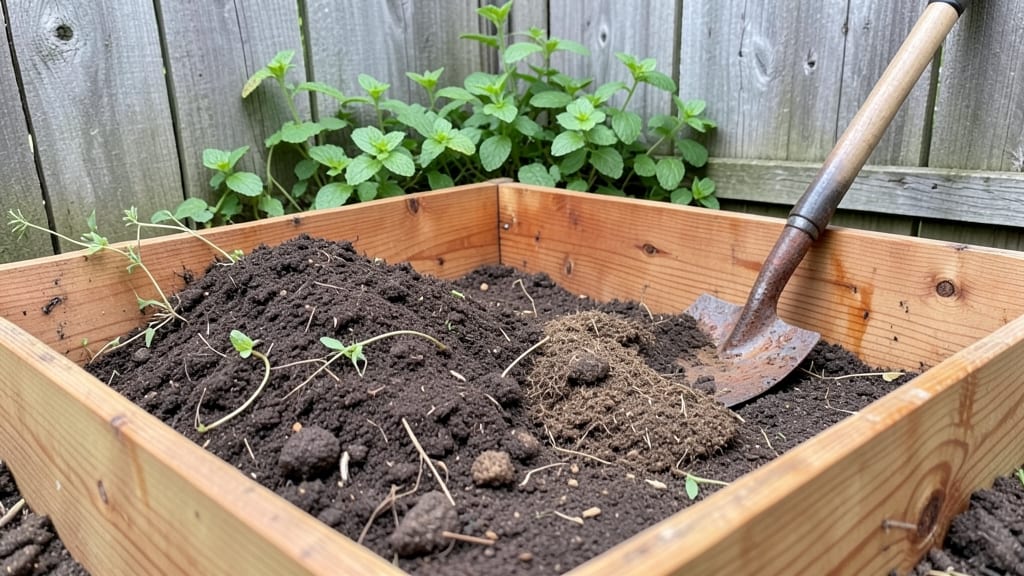
For a 4x4 raised garden, you'll need between 6.5 to 7.5 cubic feet of soil (or 1.25 to 1.5 cubic yards), depending on whether your bed is 6 or 12 inches deep. A balanced mix of topsoil, compost, and organic matter ensures proper drainage and nutrient-rich growing conditions. Always account for extra soil if you're filling multiple beds or expecting some settling over time.
Calculating the exact amount of soil for your raised bed starts with simple geometry: multiply the length, width, and depth in feet to determine cubic footage.
For a 4x4 bed, this means 4 × 4 × 0.5 = 8 cubic feet for a 6-inch depth, but real-world factors like frame thickness and soil compaction often reduce the usable space.
I always round up to 7.5 cubic feet to account for these variables—trust me, you don’t want to run short mid-project. 🌱 The depth also matters: deeper beds (12 inches or more) let roots grow stronger, but they’ll need proportionally more soil.
Beyond the numbers, the type of soil you choose makes all the difference. A 60% topsoil, 30% compost, and 10% perlite mix is my go-to for vegetables, as it balances drainage with moisture retention. For flowers, I lean slightly more toward compost to boost fertility.
Pro tip: if you’re using pre-mixed raised garden soil, check the bag—some brands include additives that may not suit your plants. Always test your soil’s pH before planting to avoid surprises.
💡 In This Article
- Calculating Soil Volume for Raised Garden Beds
- Best Soil Mixes for 4x4 Raised Gardens
Calculating soil volume for raised garden beds
The key to determining soil volume starts with basic geometry: multiply the bed's length, width, and depth in feet to calculate cubic footage. For a 4x4 raised garden, this means 4 feet × 4 feet × 0.5 feet = 8 cubic feet for a 6-inch depth.
However, real-world factors like frame thickness (typically 2-3 inches on each side) and soil settling reduce usable space. Most gardeners round up to 7.5 cubic feet to avoid shortages during filling. 🔥
Depth plays a critical role in both soil quantity and plant health. A 6-inch depth provides enough space for shallow-rooted plants like lettuce or herbs, while 12-inch depths support deeper-rooted vegetables like tomatoes or carrots.
The math scales linearly: doubling depth from 6 to 12 inches doubles the soil volume needed (from 8 to 16 cubic feet for a 4x4 bed).
This is why deeper beds require careful planning—transporting 16 cubic feet (about 3.2 cubic yards) is significantly more work than 8 cubic feet.
Common miscalculations often stem from ignoring frame thickness or soil compaction. Wooden frames typically add 2-3 inches to each dimension, reducing the internal space. For example, a 4x4 frame might only yield a 3.5x3.5 internal footprint.
Additionally, soil settles 10-20% after initial filling, so always account for this by purchasing 10-15% more soil than your calculation suggests. This buffer ensures your bed stays properly filled without requiring mid-season top-ups. ✨
Here's a simple formula to use for any raised bed dimensions:
- Cubic feet = length (ft) × width (ft) × depth (ft)
- Convert to cubic yards by dividing cubic feet by 27 (since 1 cubic yard = 27 cubic feet)
- Add 10-15% extra for settling and frame thickness
Visualizing soil volume helps avoid surprises at the garden center. A 1 cubic yard of soil (about 27 cubic feet) fills roughly 3.5 standard-sized bags (most bags hold 2 cubic feet).
For a 4x4 bed at 6 inches deep, you'd need about 4 bags, but purchasing 5 bags accounts for settling and minor errors in measurement. Pro tip: Weigh your soil bags—some brands overfill, while others underfill, so actual volume may vary slightly. 💫
One advanced consideration is soil density. Loose, fluffy mixes (like those with perlite or coconut coir) take up more volume than compacted topsoil. A 60% topsoil, 30% compost, 10% perlite mix might require 5-10% more volume than pure topsoil for the same depth.
Always check the density of your soil mix—some pre-mixed bags specify "cubic feet per bag" based on settled volume, while others list loose volume. This distinction can mean the difference between having enough soil or needing an extra trip to the store.
Finally, plan for future adjustments. If you're building multiple beds, calculate each one separately and add 10% extra for shared deliveries or spillage. For long-term gardens, consider that soil quality degrades over 2-3 years due to nutrient depletion.
Adding 1-2 inches of compost annually maintains fertility without requiring a full soil replacement. This proactive approach saves money and effort in the long run. 🌱