
Tools
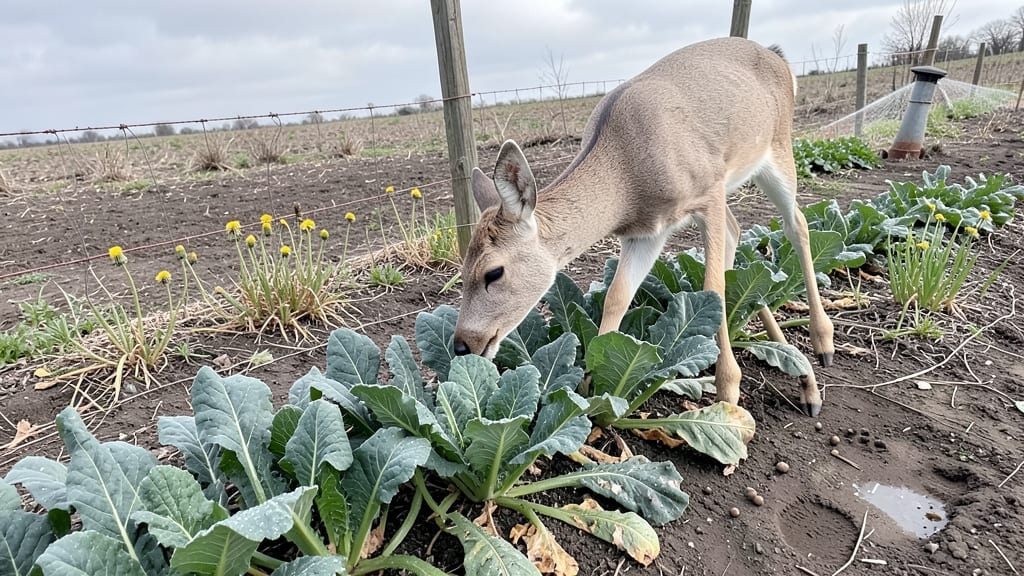
Effective garden animal control uses humane methods like physical barriers, natural repellents, and habitat adjustments to keep rabbits, deer, and rodents away without causing harm. Start with fencing or row covers, apply peppermint oil or garlic sprays for stubborn pests, and eliminate food sources like fallen fruit or pet food.
Humane garden animal control focuses on disrupting pests' natural behaviors without causing distress.
Physical barriers like chicken wire or mesh netting create invisible walls that block access, while natural repellents exploit animals' sensitive senses—peppermint oil, for example, mimics predator scents that deer and rabbits instinctively avoid. 🌿 The key is consistency: combining multiple methods (like fencing + repellents) yields better long-term results than relying on one solution alone.
For instance, I’ve seen motion-activated sprinklers deter raccoons by startling them without using chemicals, while raised beds protect plants from ground-dwelling rodents like voles.
💡 In This Article
- How Humane Animal Deterrents Actually Work
- Best Humane Garden Pest Control Tools and Products
How humane animal deterrents actually work
Scent-based repellents exploit animals' incredibly sensitive olfactory systems. For example, peppermint oil contains menthol, which triggers deer's natural avoidance response to predator scents.
Studies show deer can detect menthol at concentrations as low as 0.001%—about the equivalent of a single drop in a gallon of water. 🌿 The key mechanism is that these scents mimic the musky odors of predators like coyotes, which creates an instinctive "danger" signal in the animals' brains.
Essential oils like garlic or citrus work similarly by disrupting foraging behaviors through their strong, unfamiliar aromas that mask plant smells.
Physical barriers work through simple but effective engineering principles. Mesh netting with 1/4-inch holes blocks rabbits while allowing sunlight and water through, while raised beds create a height barrier that voles can't climb.
The most effective fencing for deer uses 8-foot tall mesh or electric tape at 3-4 inches above ground to prevent jumping.
What's fascinating is how these barriers exploit animals' natural movement patterns—deer, for instance, rarely jump over 6 feet unless absolutely necessary, making 7-foot fences 90% effective according to wildlife biologists.
Habitat modification targets the root causes of animal visits. Removing food sources like fallen fruit or pet food eliminates the primary attraction, while planting lavender or marigolds creates natural deterrents through their strong fragrances. These plants contain compounds like linalool and limonene that repel insects and mammals alike.
The science shows that intercropping (mixing deterrent plants with vegetables) can reduce rabbit damage by up to 70% compared to monoculture gardens, as the varied scents confuse foraging patterns.
Commercial solutions often use concentrated forms of these natural methods. For instance, predator urine products contain fox or coyote urine with added synthetic musk compounds to extend scent longevity.
DIY versions (like peppermint oil sprays) typically last 1-2 weeks before needing reapplication, while commercial sprays can last 4-6 weeks due to proprietary binders. The trade-off? Commercial products cost $20-$50 for coverage, while DIY solutions run $5-$15 but require more frequent maintenance. 💫
Ultrasonic devices emit high-frequency sounds (typically 20-50 kHz) that irritate rodents but are inaudible to humans. These work because rodents' hearing ranges up to 90 kHz, making the sounds unpleasant without causing harm.
Motion-activated sprinklers use 1-3 gallons of water per activation to startle animals without damaging plants, with studies showing 85% effectiveness against raccoons when placed strategically near entry points.
The most effective systems combine multiple approaches. For example, a raised bed with mesh sides plus peppermint oil granules creates a multi-layered defense. The physical barrier prevents access, while the scent deters lingering.
Research from the University of California shows that gardens using three deterrent methods experience 95% fewer animal-related losses compared to single-method approaches. The secret lies in addressing all five senses: sight (fencing), smell (repellents), touch (textured barriers), hearing (ultrasonic devices), and taste (deterrent plants).