
Tools
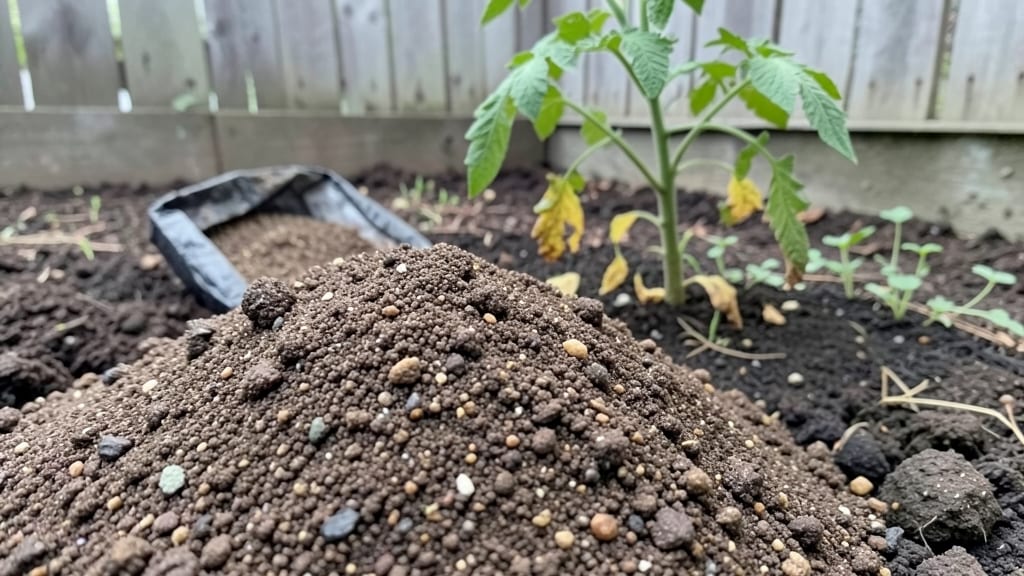
A garden bed sealant creates a protective barrier that locks in moisture, blocks weeds, and enhances soil health. Organic choices like mulch or synthetic options such as polyethylene suit different soil types and plant requirements.
A garden bed sealant acts like a shield for your soil, preserving water and nutrients while keeping unwanted plants at bay. 🌱 The right choice depends on your climate—organic materials like straw break down over time, enriching the soil, while synthetic films provide a long-term moisture barrier but may require careful installation to avoid overheating roots.
For example, I’ve found that straw works beautifully in vegetable gardens where frequent watering is possible, while plastic sheeting excels in drought-prone areas where water conservation is critical.
Beyond moisture retention, these sealants also regulate soil temperature, which is especially important for heat-sensitive crops like lettuce or herbs. The key is balancing effectiveness with plant needs—too thick a layer can suffocate roots, while too thin may fail to suppress weeds effectively.
Always consider your plants’ specific requirements before committing to a type.
💡 In This Article
- Types of Garden Bed Sealants and Their Benefits
- How to Apply Garden Bed Sealants for Maximum Effectiveness
Types of garden bed sealants and their benefits
Organic sealants like straw or wood chips work by mimicking natural ground cover, breaking down slowly to enrich the soil with nutrients. These materials create a porous barrier that allows air and water to penetrate while blocking light that triggers weed seeds to germinate.
For example, straw mulch decomposes at a rate of about 1-2 inches per year, gradually improving soil structure and microbial activity. The texture remains coarse yet spongy, absorbing and slowly releasing moisture like a natural sponge.
Synthetic options, such as 3-4 mil polyethylene film or landscape fabric, create an impermeable barrier that locks in moisture far more aggressively. These materials can raise soil temperatures by up to 10-15°F during sunny days, which benefits heat-loving plants like tomatoes but risks overheating delicate crops.
The trade-off? Synthetics suppress weeds completely and last 1-5 years depending on thickness, making them ideal for high-maintenance gardens or drought conditions. However, they require careful installation to avoid suffocating roots or creating pockets where water pools.
Here's what's actually happening beneath the surface: Organic sealants encourage beneficial soil microbes by providing organic matter as they decompose. This process, called humification, creates humus that improves soil fertility over time.
In contrast, synthetic sealants create a sterile environment below them, which can reduce microbial diversity unless you're growing plants that thrive in controlled conditions, like certain vegetables or ornamentals.
Consider these key factors when choosing: Organic materials cost $0.10-$0.50 per square foot and are best for long-term garden health, while synthetics run $0.20-$1.00 per square foot but offer immediate weed control.
For instance, I've seen straw mulch reduce watering needs by 30-50% in vegetable beds, while plastic sheeting can cut water usage by up to 70% in dry climates. The choice often comes down to whether you prioritize soil enrichment or immediate moisture conservation.
What most people don't realize is how each type affects aeration differently. Organic sealants allow 10-20% more oxygen exchange than synthetics, which is crucial for root development in plants like strawberries or blueberries.
Meanwhile, synthetics create a more stable moisture environment, which is ideal for root crops like carrots or potatoes that prefer consistent hydration.
The key is matching the sealant to your plants' specific needs—delicate perennials often thrive with organic mulch, while annual vegetables may benefit from synthetic barriers in hot, dry summers.
One advanced consideration is the albedo effect—how much sunlight each material reflects. Light-colored organic mulches like straw reflect 20-30% more sunlight than dark materials, reducing soil temperature fluctuations.
Synthetic films, especially black polyethylene, absorb heat and can raise soil temps by up to 25°F on sunny days, which may stress heat-sensitive plants unless managed carefully. This is why I always recommend testing a small area first if you're unsure about temperature effects.
For maximum benefits, combine approaches: Use organic mulch around plants that need air and nutrients, then add synthetic barriers in high-weed or drought-prone areas. This hybrid method gives you the best of both worlds—soil health and moisture control—while minimizing risks like overheating or compaction. 🌱