
Light Requirements
To determine how much sunlight a garden needs, most vegetables, herbs, and flowers require 6 to 8 hours daily, while shade-loving plants thrive with just 2 to 4 hours. Climate zones, seasonal changes, and plant types all influence these requirements—partial sun (4-6 hours) works well for many hybrids and perennials.
A garden's sunlight needs aren't one-size-fits-all—they shift based on what you're growing and where you live. 🌿 For example, leafy greens like spinach tolerate partial shade better than tomatoes, which demand full sun.
I've seen firsthand how even a 1-hour difference can mean the difference between thriving plants and struggling ones. Seasonal adjustments matter too: summer's longer daylight hours mean you might need to provide afternoon shade for delicate blooms, while winter's shorter days could require moving containers closer to sunny windows.
What's interesting is how microclimates play a role—urban gardens often get more reflected heat than rural ones, which can actually increase light intensity. That's why I always recommend testing your garden's light conditions with a simple sunlight tracker for a few weeks before planting.
This helps avoid over- or under-estimating what your space can truly provide.
💡 In This Article
- Sunlight Requirements by Plant Type and Growth Stages
- Adjusting Sunlight for Different Climate Zones and Seasons
Sunlight requirements by plant type and growth stages
Here's what's actually happening in your garden: sunlight drives photosynthesis, but different plants convert light energy at varying efficiencies.
Leafy greens like kale and Swiss chard can photosynthesize effectively with just 3-4 hours of morning sun, while fruiting plants like tomatoes and peppers need 8+ hours to develop their energy-rich fruits.
The key factor is chlorophyll production—shade plants evolve to maximize it with lower light, while sun-lovers develop thicker cuticles to prevent water loss in intense light. 🌱
Growth stages dramatically change sunlight needs. Seedlings typically require 4-6 hours of indirect light to prevent legginess, but once established, many vegetables need full sun. For example, basil starts with 4 hours in partial shade but thrives with 6+ hours once flowering.
Trees follow similar patterns: young saplings often prefer partial shade, while mature oaks need full sun. What most people don't realize is that afternoon sun (2-6 PM) is often more intense than morning light due to lower humidity and cleaner air, which can scorch delicate leaves if plants aren't acclimated.
Spacing plays a crucial role in light distribution. Crowded plants create mutual shading where the center receives only 20-40% of the light reaching the edges. For instance, planting tomatoes 18-24 inches apart ensures each plant gets adequate light, while basil can be spaced 12 inches apart.
Vertical gardening with trellises or cages can increase light exposure by 30-50% for vining plants like cucumbers or beans. This spatial strategy becomes especially important in high-density gardens where every inch counts.
Herbs offer fascinating variations: rosemary and thyme thrive in full sun but can tolerate 5-6 hours in hot climates, while mint and parsley prefer 3-4 hours to prevent leaf scorch.
The science behind this involves different photosynthetic pathways—C3 plants (like lettuce) close stomata in hot sun to conserve water, while C4 plants (like corn) continue photosynthesizing efficiently even in intense light. This explains why some plants wilt dramatically in afternoon sun while others remain upright.
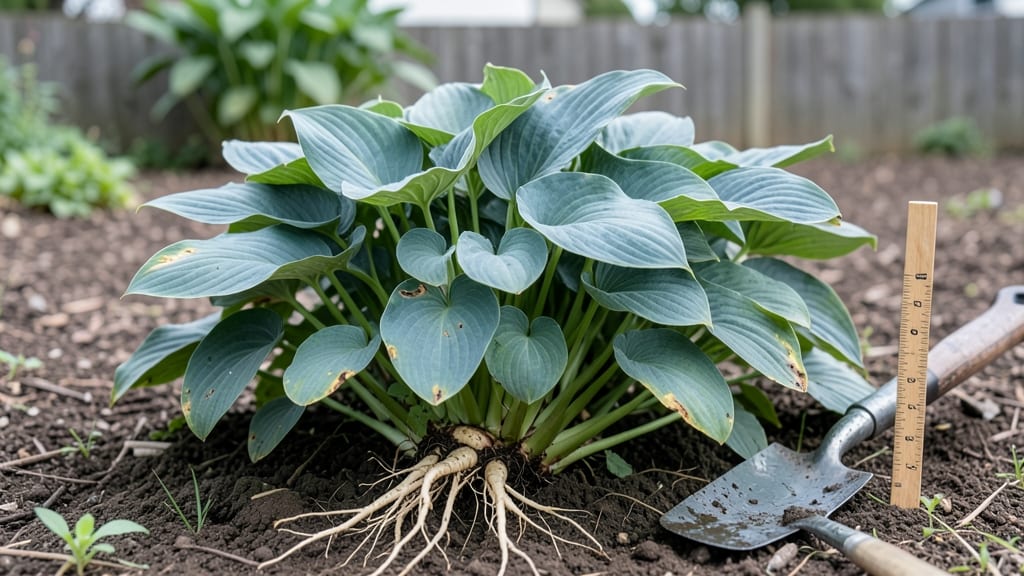
For flowers, the rule shifts based on bloom cycles. Annuals like marigolds need 6-8 hours for continuous flowering, while perennials like hostas thrive with 3-4 hours and bloom later in the season when temperatures moderate.
The color intensity in petals actually correlates with light exposure—red flowers often indicate higher light needs, while whites and yellows can tolerate more shade. This visual cue helps gardeners make quick assessments when planning their layouts.
One practical tip I've learned is to observe your plants' color: deep green leaves indicate adequate light, while pale yellow suggests deficiency. Conversely, purplish leaves often mean too much sun. Adjusting plant placement every 2-3 weeks during establishment helps them acclimate gradually to their permanent light conditions. 💫