
Diseases
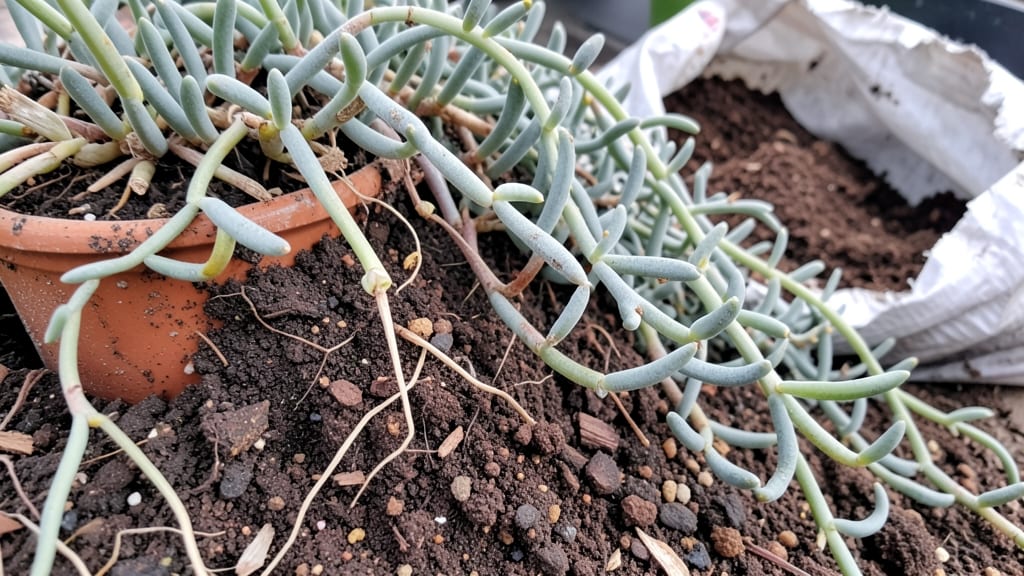
Garden centre mold isn’t just unsightly—it’s a silent threat to your plants, soil, and even tools if you don’t tackle it early. I’ve seen entire seed trays and potting mixes ruined by fuzzy green or black patches, and the worst part?
It spreads faster than you think. The good news? With the right approach, you can banish it without harming your plants or breaking the bank.
Most mold thrives on dampness and poor airflow, so fixing the problem starts with simple fixes: improve ventilation, reduce humidity, and avoid overwatering. A small dehumidifier or even a fan can work wonders, and swapping out soggy soil for well-draining mixes cuts off mold’s food source.
I’ve saved entire greenhouses just by adjusting airflow—no harsh chemicals needed.
For cleanup, a mix of 1 part bleach to 10 parts water (or plain vinegar for a gentler option) kills mold on surfaces, while baking soda sprinkled into soil absorbs excess moisture and prevents regrowth.
The key is acting fast—once mold takes hold, it’s harder to reverse, but with these tricks, your garden centre stays fresh and healthy.
This method works for greenhouses, seed storage, and even potting sheds. Whether you’re dealing with a small patch or a full-blown outbreak, the principles stay the same. Let’s get your space back to its clean, thriving state—without sacrificing your plants in the process.
The Hidden Triggers Behind Fungal Growth
Mold in garden centers isn’t just an eyesore—it’s a complex interplay of environmental factors that create the perfect breeding ground for fungi. Understanding these triggers is the first step to prevention and control. Let’s break down the key causes of mold in garden centers, backed by science and actionable insights.
Mold thrives in damp conditions, and garden centers—especially those stocked with potted plants, mulch, or compost—are prime targets for excess moisture. Here’s why:
- Overwatering or irrigation overspray: Many garden centers rely on automated sprinklers or manual watering, which can leave soil and surfaces saturated. Fungi like Botrytis and Rhizopus only need 12–24 hours of moisture to germinate and spread.
- Poor drainage in containers: Potted plants with drainage holes clogged by roots or debris trap water at the bottom, creating anaerobic (oxygen-deprived) zones where mold spores flourish. Phytophthora species, for example, love these soggy conditions.
- Condensation & humidity: Greenhouses and indoor garden centers often suffer from high humidity (above 60%), especially after watering or in cooler nights. Condensation on leaves or surfaces provides a thin film of water—ideal for mold spores to land and grow.
💡 Pro Tip: Use moisture meters to monitor soil dampness (ideal range: 40–60% moisture). Elevate pots on saucers with gravel to improve airflow and drainage.
Mold doesn’t just need moisture—it also craves warmth. Most fungal spores germinate between 60–80°F (15–27°C), with some species (like Aspergillus) thriving in warmer conditions. Here’s how temperature plays a role:
- Greenhouse heat buildup: Sunlight heating soil or mulch during the day can create microclimates where mold spores activate. At night, cooler temps cause condensation, doubling the risk.
- Poor ventilation: Stagnant air traps heat and moisture, accelerating fungal growth. Without airflow, spores spread faster via water droplets or contaminated tools.
- Seasonal shifts: Spring and fall are peak mold seasons because temps hover in the 50–70°F (10–21°C) range—perfect for mold while still allowing plants to grow.
🌡️ Actionable Fix: Install exhaust fans or open vents during peak heat hours. Use thermometers to monitor hotspots and avoid overcrowding plants, which blocks airflow.
Mold feeds on decaying organic matter, making garden centers—filled with compost, dead leaves, and mulch—high-risk zones. The science behind this:
- Compost & mulch breakdown: Fresh compost can reach temps up to 140°F (60°C) as it decomposes, killing some pathogens but also releasing spores into the air. Once cooled, it becomes a mold magnet.
- Dead plant material: Fallen leaves, cuttings, or diseased foliage provide food and shelter for mold. Alternaria, for example, targets decaying plant tissue with rapid speed.
- Over-fertilized soil: Excess nitrogen or phosphorus in soil acts like a fungal growth booster, making it easier for mold to colonize roots and surfaces.
✨ Prevention Hack: Remove dead leaves and debris weekly. Use sterilized compost (aged 3–6 months) and avoid piling mulch against plant stems.
Mold spores are microscopic and spread easily via tools, hands, or even air currents. Here’s how contamination happens:
- Dirty pruners & shovels: Tools used on infected plants can transfer spores to healthy ones. A single swipe with a contaminated blade can inoculate a whole batch of seedlings.
- Reusing contaminated pots: Mold spores cling to plastic or ceramic surfaces. Replanting in the same container without cleaning can reintroduce the problem.
- Worker or customer spread: Shoes, bags, or even clothing can carry spores from one section of the garden center to another.
🔥 Sanitation Rule: Clean tools with 70% isopropyl alcohol or a 10% bleach solution (1 part bleach to 9 parts water) between uses. Disinfect work surfaces daily.
By tackling these root causes—moisture, temperature, organic debris, and contamination—you can starve mold of the conditions it needs to thrive. The next step? Humane removal methods to restore your garden center safely.
Fixing Fungal Foes in Your Garden
Mold in garden centers—or worse, creeping into your own soil—can feel like a stubborn, silent invader. But with the right tools and techniques, you can reclaim your green spaces without harming plants, pets, or the planet.
Below, we’ve mapped out practical, step-by-step solutions for common causes of mold, plus prevention tips to keep it from returning. Think of this as your mold-busting field guide!
Cause: Too much moisture traps spores, while compacted soil blocks airflow. Fix:
- 🔥 Step 1: Pause Watering – Let the top 2–3 inches of soil dry out before watering again. Use your finger as a moisture meter!
- 🍳 Step 2: Aerate the Soil – Loosen compacted areas with a fork or hand trowel to boost airflow. For heavy clay soil, mix in coarse sand or perlite (1 part amendment to 3 parts soil).
- 👨🍳 Step 3: Upgrade Drainage – If containers or beds have poor drainage, add a 1-inch layer of gravel or broken pottery at the bottom before repotting. Elevate pots on feet to prevent water pooling.
- ⏰ Pro Tip: Water in the early morning so excess moisture evaporates by night. Drip irrigation (instead of overhead sprinklers) keeps leaves dry, reducing fungal spread.
Prevent Relapse: ✅ Test your soil’s drainage by filling a container with water, then timing how long it takes to drain. Ideal? Under 30 minutes. ✅ Choose fast-draining potting mixes labeled "well-aerated" or "for succulents" if you’re prone to overwatering.
Cause: Humidity + debris = the perfect mold buffet for spores. Fix:
- 🔪 Step 1: Snip & Toss – Remove infected leaves or stems with sterilized pruners (wipe with rubbing alcohol between cuts). Don’t compost moldy plant material—trash it to avoid reinfection.
- 🌡️ Step 2: Boost Air Circulation – Thin out crowded plants and space them 6–12 inches apart (depending on maturity). Use a small fan on low setting near seedlings to mimic breezy conditions.
- 🎯 Step 3: Apply Fungicidal Sprays – Mix 1 tsp baking soda + 1 quart water + a drop of dish soap (as a surfactant). Spray every 7–10 days until mold disappears. For stubborn cases, use neem oil (1 tbsp per quart of water) or a copper-based fungicide (follow label instructions).
- ✨ Pro Tip: Preventative spray works best! Treat plants before mold appears, especially in humid climates or greenhouses.
Prevent Relapse: ✅ Clean up fallen leaves and debris weekly—mold loves to hide in thatch. ✅ Water leaves instead of soil (like a showerhead) to keep foliage dry, or switch to soaker hoses for root-level hydration.
Cause: Old, nutrient-depleted soil or improperly composted organic matter. Fix:
- 🔥 Step 1: Sterilize Containers – If repotting, soak pots in a 10% bleach solution (1 part bleach to 9 parts water) for 10 minutes, then rinse and dry. For fabric pots, wash with hot, soapy water and disinfect with hydrogen peroxide (3% solution).
- 🍳 Step 2: Replace Infested Soil – Discard heavily moldy potting mix (even if it looks "fine" on top). Replace with fresh, sterile mix (look for labels like "professional grade" or "mold-resistant").
- 👨🍳 Step 3: Revive Compost – If your compost pile is moldy, turn it frequently to aerate and add dry, carbon-rich materials (shredded newspaper, dry leaves, or straw) to balance moisture. Avoid adding moldy kitchen scraps.
- ⏰ Pro Tip: Baking soda boost – Sprinkle 1 tbsp baking soda per gallon of soil to neutralize acids that encourage mold. Reapply every 3 months.
Prevent Relapse: ✅ Rotate crops—don’t replant the same species in the same spot yearly to prevent soil-borne mold buildup. ✅ Store potting mix in sealed bins to keep it dry and mold-free between uses.
Cause: Stagnant air, high humidity, and lack of sunlight. Fix:
- 🔥 Step 1: Increase Ventilation – Open vents, use exhaust fans, or install a small dehumidifier (aim for 40–60% humidity). A DIY trick: Place a bowl of cat litter or silica gel packets near plants to absorb excess moisture.
- 🍳 Step 2: Wipe Down Surfaces – Clean shelves, benches, and tools with a vinegar solution (1:1 water and white vinegar) or hydrogen peroxide (3%) to kill spores.
- 👨🍳 Step 3: Introduce UV Light – Place a grow light or blacklight for a few hours daily—UV light inhibits mold growth. Alternatively, open curtains to maximize natural sunlight.
- ✨ Pro Tip: Scented oils can help! Add 5 drops of tea tree or eucalyptus oil to a spray bottle with water and mist lightly around the greenhouse (avoid direct contact with plants).
Prevent Relapse: ✅ Monitor humidity with a hygrometer—keep it below 60% to deter mold. ✅ Disinfect tools monthly with rubbing alcohol to prevent cross-contamination.
Final Reminder: Mold is a sign of imbalance, not a death sentence. Address the root cause (water, airflow, or organic matter), and your garden will bounce back stronger. Stay proactive, and your green space will stay thriving! 🌿✨
Frequently asked questions
What’s the fastest way to stop mold from spreading in my garden center?
Act immediately by removing all visibly moldy plant debris and improving airflow. Use a fan to circulate air and reduce humidity below 60%. For surfaces, spray with a 1:10 bleach-to-water mix or vinegar solution—both kill spores on contact. Avoid watering until soil dries completely.
Can I reuse soil that had mold in it?
Only if you sterilize it first! Heat the soil in an oven at 200°F (93°C) for 30 minutes or bake in a microwave-safe container for 2 minutes per quart. For outdoor beds, solarize by covering with clear plastic for 4–6 weeks to bake out pathogens. Never reuse heavily moldy soil without treatment.
Why does mold keep coming back even after cleaning?
Persistent mold usually means the root cause—like high humidity or poor drainage—still exists. Check for hidden moisture sources (leaky pipes, overwatered plants) and improve ventilation. Add baking soda (1 tbsp/gallon of soil) to neutralize acids that encourage regrowth, and space plants to allow airflow.
Are there natural ways to prevent mold without chemicals?
Try these DIY tricks: Sprinkle dry diatomaceous earth on soil surfaces (it absorbs moisture), place silica gel packets near humid areas, or mist plants with a neem oil spray (1 tbsp/quart water). Regularly remove dead leaves and debris—mold feeds on decaying organic matter.
How can I tell if mold is harming my plants or just cosmetic?
Watch for yellowing leaves, stunted growth, or black/brown spots—these are signs mold is damaging roots or foliage. If you see fuzzy growth on stems or soil, it’s actively spreading. Cosmetic mold (like surface dust) is usually harmless, but remove it to prevent spore spread. Always quarantine infected plants.