
Tools
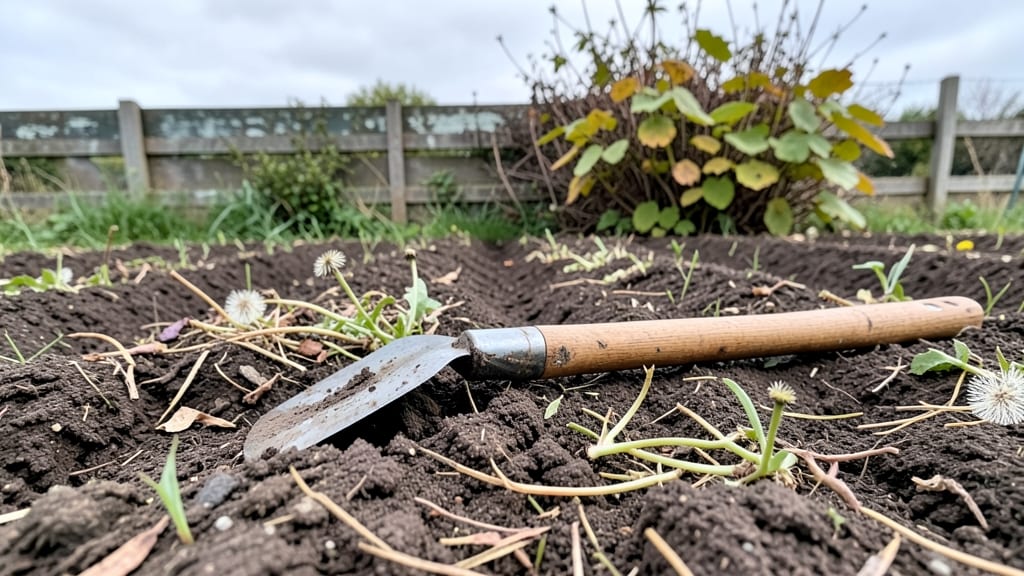
A garden hula hoe transforms weeding from a backbreaking chore into a quick, rhythmic motion that clears weeds before they steal your harvest.
I’ve spent years wrestling with stiff weeds and sore wrists until this lightweight tool changed everything—now my garden beds stay weed-free with just a few passes, and my back stays happy.
The secret lies in its design: a long handle and curved blade that slices through weeds at the soil surface without disturbing roots or damaging plants.
You’ll need minimal setup: just grab the hoe and step into your garden on a dry, sunny day when weeds are young and tender. Unlike traditional hoes, the hula hoe’s wide blade cuts through weeds in rows, making it perfect for vegetable beds, flower borders, or even mulched areas.
It’s not just faster—it’s gentler on your soil, too, since it doesn’t flip weeds upside down like a standard hoe, which can bury seeds and create future weeds.
What you’ll achieve is beds so clean they look freshly tilled, with no more digging or straining. The motion is simple: push the blade through the soil, then pull it back to slice weeds at the base.
Within minutes, your garden will look like it’s been professionally maintained, and you’ll wonder how you ever weeded any other way. The best part? You can use it year-round, from early spring to late fall, as long as the soil isn’t waterlogged.
Fair warning: it takes a little practice to get the rhythm right, but once you do, you’ll never go back. Unlike a traditional hoe, this tool won’t leave your hands blistered or your back aching—just smooth, weed-free soil ready for planting.
Whether you’re tackling a small raised bed or a large backyard garden, the hula hoe is the game-changer you’ve been waiting for.
📚 In This Guide
- What you need
- Instructions
- Tips and common mistakes
- Wrapping up and next steps
What you need
- ● Garden Hula Hoe: A lightweight, ergonomic hula hoe (preferably with a D-shaped handle for comfort). Look for models with stainless steel or durable plastic blades.
- ● Gloves: Heavy-duty gardening gloves (1 pair) to protect your hands from thorns and dirt.
- ○ Knee Pads or Pad: Optional but highly recommended for long sessions (1–2 pairs).
- ● Water: A small bottle (16–20 oz) to stay hydrated while working.
- ○ Garden Twine or String: A small roll (50–100 ft) for tying up plants or marking rows (optional but handy).
- ● A weedy garden bed (raised or in-ground) with soil ready for weeding.
- ● Sunny or partially shaded weather (avoid slippery conditions after rain).
- ● Basic knowledge of how to maneuver a hula hoe (practice in an open space first if new!).
Instructions for mastering the garden hula hoe technique
This simple tool transforms weeding from a chore into a quick, rhythmic motion—no more bending or back strain.
Prepare Your Garden Beds for Efficient Weeding
Start by clearing larger debris like sticks or rocks from your garden beds. The hula hoe works best on smaller weeds and grass, so removing big obstacles first prevents snagging. I like to work in sections about 3 feet wide—this keeps the motion controlled and prevents fatigue.
Loosen the soil slightly with a rake if it's compacted. The hula hoe glides better through softer ground, and you'll see fewer weeds popping up later. Pay attention to the bed edges—weeds tend to grow thicker there, so take extra care along the borders.
Hold and Position the Hula Hoe Correctly
Grip the handles about 12 inches apart, keeping your elbows slightly bent. Your stance should be shoulder-width apart, with knees slightly bent to absorb the motion. This stance prevents strain on your back and arms. I find that holding the tool closer to the top gives me better control over the depth.
Angle the hoe blade about 45 degrees into the soil at the start of each swing. This angle cuts weeds at the base while leaving your plants unharmed. Watch your feet—they should stay planted, and all movement comes from your arms and shoulders. This is where the rhythm starts.
Practice the Hula Motion for Maximum Efficiency
Begin with small, controlled swings—6-8 inches deep—to get a feel for the tool. The motion should resemble a cross between a hula and a scythe: push forward with one arm while pulling back with the other in a smooth, continuous arc. You'll feel resistance as the blade slices through weeds.
Work in rows, keeping the blade parallel to your plants. You'll notice weeds get caught in the blade while your desired plants remain standing. For stubborn weeds, stop and dig them out by hand—this prevents the hoe from damaging your plants' roots.
Maintain Rhythm and Cover the Entire Bed
Move systematically across the bed, overlapping each pass by about 2 inches to ensure no weeds are missed. The key is consistency—keep the same angle and depth throughout. If you feel your arms tiring, take a short break and stretch. This tool is about efficiency, not endurance.
After covering the entire bed, run a light hand over the soil to check for missed weeds. The hula hoe catches most, but a quick visual sweep ensures your garden stays pristine. This is also a good time to water if the soil feels dry—moisture helps prevent new weeds from taking hold.
Clean Up and Store the Tool Properly
Shake off excess soil and wipe down the blade with a damp cloth to remove any stuck-on debris. A quick rinse under water helps keep the tool in good condition. Store it in a dry place, preferably hanging or propped upright to prevent bending.
I like to schedule hula hoeing every 7-10 days during the growing season. Regular use keeps weeds at bay before they become a problem. You'll quickly notice fewer weeds popping up between sessions—this is the tool doing its job.
Tips & tricks for mastering the garden hula hoe technique
Here's what I've learned after using this tool for years—these little tricks make all the difference in your weeding efficiency.
Start with the Right Soil: The 3-foot sections mentioned in Step 1 work best when the soil is slightly moist but not soggy. If your soil feels dry, give it a quick watering before you begin—this helps the hoe glide smoothly and prevents weeds from breaking off at the surface. I've found that working in the morning after dew has dried but before the heat of the day gives the best results.
Master the 45-Degree Angle: In Step 2, that 45-degree angle is crucial for effective weeding. Think of it like this: if you angle the blade too shallow, you'll just be scratching the surface. Too steep, and you risk damaging your plants. Practice a few swings in an empty area first to get comfortable with that sweet spot where the blade slices cleanly through weeds without disturbing your plants.
Use Your Whole Body: The controlled swings in Step 3 should come from your shoulders, not just your arms. Keep your feet planted and let your upper body rotate with each motion. This full-body approach prevents arm fatigue and makes the work feel more like exercise than chore. I promise you'll notice the difference after just a few minutes of proper technique.
Edge Maintenance is Key: In Step 4, don't forget that the 2-inch overlap is especially important along garden bed edges. Weeds grow thickest there, and that's where most people miss them. I make it a habit to work the edges first, then move inward—it takes just a little extra time but saves me from having to go back later.
Pro Tips for Garden Hula Hoe
- Here's what I've learned after using this tool for years—these little tricks make all the difference in your weeding efficiency.
- Start with the Right Soil: The 3-foot sections mentioned in Step 1 work best when the soil is slightly moist but not soggy.
- Master the 45-Degree Angle: In Step 2, that 45-degree angle is crucial for effective weeding.
Frequently asked questions
Got questions about using a garden hula hoe? You’re not alone—this lightweight tool is a game-changer, but it’s natural to wonder how to get the most out of it. Below, we’ve answered the most common queries to help you master weeding like a pro!
What’s the best time of day to use a garden hula hoe?
The ideal time is when the soil is slightly damp (after morning dew or light rain) but not soggy. Weeds pull up easier, and you’ll avoid the midday sun’s strain. Early morning or late afternoon works best—your back (and plants!) will thank you.
Can I use a hula hoe on rocky or uneven ground?
While hula hoes excel on flat, cultivated beds, rocky or heavily uneven terrain can dull the blade or make control tricky. For rough patches, opt for a stiff-bladed hoe or clear debris first. Always angle the tool to avoid tripping—safety first!
Is a hula hoe worth the investment over a regular hoe?
Unlike traditional hoes that require heavy pressure, a hula hoe’s lever-action design cuts weeds with minimal effort—great for knees, backs, and small gardens. It’s pricier upfront but saves time and energy long-term. Think of it as a low-impact power tool.
How do I sharpen or replace the blade if it gets dull?
Dull blades struggle to slice weeds cleanly. For steel blades, use a file or whetstone at a 30° angle. Carbon steel blades rust faster; opt for stainless if moisture is an issue. Most hula hoes have replaceable blades—check the manufacturer’s guide for compatible parts.
Will a hula hoe work for large weeds or just small ones?
It’s best for young weeds (under 6 inches)—think grass, clover, or dandelion sprouts. For larger weeds (like bindweed or thistles), dig them out first or use the hula hoe to sever roots before pulling. Pair it with a weeding fork for stubborn giants.
Where’s the best place to buy a quality hula hoe?
Look for brands like Fiskars, Radius Garden, or Spear & Jackson—they’re durable and ergonomic. Check local garden centers for hands-on demos, or order online from Amazon, Home Depot, or Etsy for reviews and comparisons. Avoid ultra-cheap models; blade quality matters!
Wrapping up and next steps
The garden hula hoe is your secret weapon for effortless weeding—no more bending, no more strain, just swift, satisfying results! Whether you're a seasoned gardener or a beginner, this tool makes maintaining weed-free beds a breeze while protecting your back. 🌱✨
Ready to transform your garden? Grab a hula hoe, step outside, and start weeding with confidence. Your future self (and your knees!) will thank you—one smooth glide at a time.