
Tools
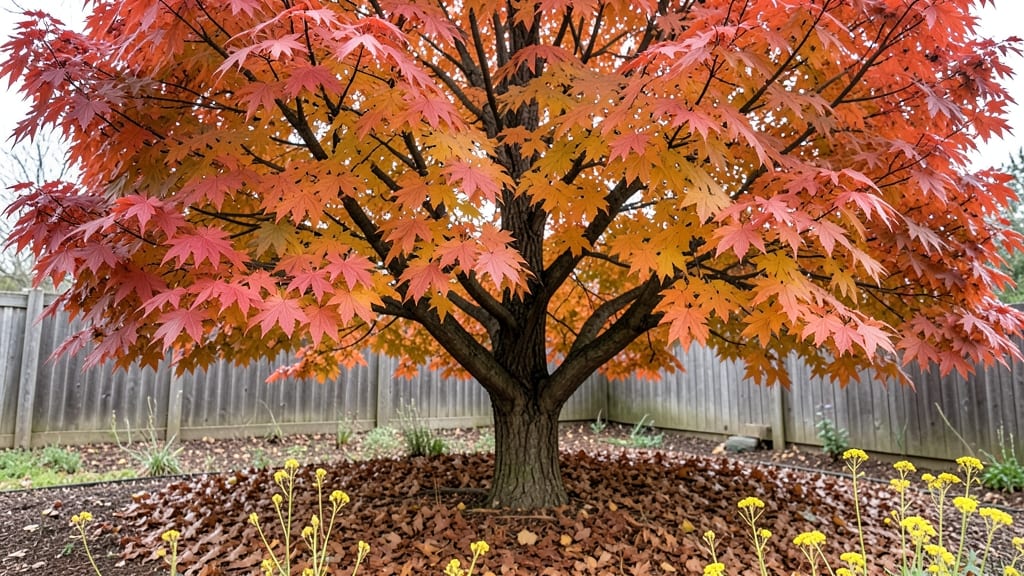
Creating garden-inspired fall planters turns ordinary containers into seasonal showstoppers that actually last through chilly weather. 🌿 I learned this after my first attempt with flimsy annuals that wilted by October—until I switched to cold-hardy mums, ornamental kale, and pansies that thrived until frost.
The key isn’t just picking pretty plants; it’s choosing ones that handle crisp air and morning dew without fuss.
You’ll need containers with drainage (ceramic or plastic works), a soil mix that drains well but holds moisture, and plants that love cooler temps. Skip the heavy mulch—it can rot roots in planters—and opt for lightweight mixes designed for containers.
My go-to combo is a 50-50 blend of potting soil and perlite, plus a slow-release fertilizer to keep colors vibrant through November.
By late fall, you’ll have planters bursting with deep burgundy, golden yellow, and frosty white that neighbors will beg to know your secret. The best part? These aren’t just decorations—they’re edible too.
Toss in cold-hardy herbs like thyme or parsley, and you’ve got both beauty and utility until the first hard freeze. Plus, the containers stay lightweight for easy moving before winter storage.
Works for patios, porches, or even windowsills—just adjust plant choices based on your zone. In colder areas, swap pansies for dusty miller or cabbage; in milder climates, keep the pansies and add snapdragons for extra height.
The magic is in the mix of textures and colors that scream "autumn" without requiring constant care. Let’s get those planters prepped!
📚 In This Guide
- What you need
- Instructions
- Tips and common mistakes
- Wrapping up and next steps
What you need
- ● Planters: 2-4 medium-to-large containers (12-18" diameter) with drainage holes. Choose from: Terracotta pots (rustic charm)
- ● Fiberglass or resin (lightweight, weather-resistant)
- ● Wooden half-barrels (for a rustic vibe)
- ● Potting Soil: 1-2 bags (1-2 cubic feet each) of high-quality, well-draining fall-friendly potting mix (look for "all-purpose" or "container blend").
- ● Mulch: 1 bag of organic mulch (e.g., shredded bark or pine straw) to retain moisture and add texture.
- ● Perennials (hardy for fall): 3-5 plants each of: Heuchera (coral bells) – Purple or silver varieties
- ● Sedum (stonecrop) – Drought-tolerant, colorful
- ● Astilbe – Feathery plumes in pink/white
- ● Annuals (for instant color): 2-3 plants each of: Pansies or violas – Cold-hardy, cheerful blooms
- ● Calibrachoa (million bells) – Trailing, vibrant flowers
- ● Ornamental Grasses: 1-2 clumps of Miscanthus or Carex for movement and texture.
- ● Basic Tools: Trowel or small shovel
- ● Garden gloves (to protect your hands)
- ● Pruners (for trimming)
- ○ Decorative Touches (Optional): Pebbles or river rocks (for drainage & aesthetics)
- ● Miniature pumpkins or gourds (for seasonal flair)
- ● Solar-powered garden lights (to highlight your planters)
Step-by-Step instructions for creating low-maintenance fall planters
Fall planters bring warmth and texture to your space with minimal effort—here's how to make them thrive.
🪴 Step 1: Choose the Right Containers and Drainage
Pick containers with drainage holes—terracotta pots or wooden boxes work beautifully. If your chosen container lacks holes, drill 2-3 additional ones near the bottom. I like to place a small piece of broken pottery over each hole to prevent soil from washing out while still allowing water to drain freely. The containers should be at least 6 inches deep to accommodate root systems and hold enough soil for your fall plants.
For a cohesive look, select containers of similar size and color. Grouping them together creates a polished display. I often choose earthy tones like terracotta or muted greens to complement autumn foliage. Make sure the containers are clean and dry before planting to prevent introducing diseases to your new plants.
🌱 Step 2: Select Fall-Friendly Plants and Prepare Soil Mix
Choose plants that thrive in cooler weather, like mums, ornamental kale, pansies, and ornamental grasses. These plants add vibrant colors and textures without demanding constant care. Fill your containers with a mix of potting soil and compost to provide nutrients and improve drainage. I like to use a ratio of 3 parts potting soil to 1 part compost for a balanced mix.
Moisten the soil mix until it feels like a damp sponge—it should hold together when squeezed but not drip water. This ensures your plants have enough moisture without becoming waterlogged. Avoid using garden soil, as it can compact and suffocate roots in containers.
☀️ Step 3: Plant With Layered Height and Color
Start by placing taller plants in the center or back of the container. This creates a natural focal point and ensures smaller plants aren't overshadowed. For example, place ornamental grasses at the back, followed by mums or ornamental kale in the middle, and finish with trailing pansies or sweet alyssum at the edges. This layered approach adds depth and visual interest.
Space plants according to their mature size—usually 6-12 inches apart—to prevent overcrowding. Press the soil gently around each plant to secure it without compacting the roots. Water lightly after planting to settle the soil and encourage root growth.
💧 Step 4: Water and Position for Success
Water your planters thoroughly after planting, allowing water to drain completely from the bottom. This helps prevent root rot and ensures your plants establish strong roots. In fall, watering needs decrease as temperatures drop, but check the soil daily. Water when the top inch feels dry to the touch, and avoid wetting the foliage to prevent fungal diseases.
Place your planters in a location that receives 4-6 hours of sunlight daily. A spot with morning sun and afternoon shade works well, especially if you're in a cooler climate. If your plants start to look leggy or stretch toward the light, they need more brightness. You'll know they're happy when they grow steadily and maintain vibrant colors.
✂️ Step 5: Maintain and Enjoy Your Fall Display
Remove any dead or yellowing leaves regularly to keep your planters looking fresh. Trim back overgrown foliage to encourage bushier growth and maintain the shape of your plants. A light application of balanced fertilizer every 4-6 weeks will keep your plants thriving through the season.
Fall planters are perfect for adding seasonal charm with minimal upkeep. With the right plants and care, your containers will stay vibrant and inviting until the first frost. Enjoy the process—your fall garden will be the talk of the neighborhood!
Tips & tricks for perfect fall planters
A few simple strategies will help your fall planters stay vibrant and healthy with minimal effort.
Container Depth Matters: The 6-inch depth requirement isn't arbitrary—it gives roots enough room to establish while preventing soil compaction. For larger containers (over 12 inches), add a handful of perlite to your soil mix to improve aeration. This is especially important if you're using heavier materials like wooden boxes, which can become waterlogged more easily.
Soil Mix Secrets: When mixing your 3:1 potting soil to compost ratio, add a handful of worm castings if you can find them. They provide gentle, long-lasting nutrients that help plants thrive through fall's cooler temperatures. If you're using store-bought potting mix, look for one labeled "organic" to ensure better nutrient content right from the start.
Layering Like a Pro: In Step 3, when arranging your plants, think about their mature sizes—not their current sizes. That ornamental grass might look small now, but it could triple in size by frost! Place it at the very back of your container to prevent overcrowding later. This layered approach also helps smaller plants like pansies get enough light to thrive.
Watering Wisdom: The "top inch dry" rule works, but I've found a quick test works even better: Stick your finger about an inch into the soil. If it feels dry, water thoroughly until it drains from the bottom. This method prevents both underwatering and overwatering, which can be especially problematic in fall when evaporation slows but roots still need moisture.
Pro Tips for Garden In Fall
- A few simple strategies will help your fall planters stay vibrant and healthy with minimal effort.
- Container Depth Matters: The 6-inch depth requirement isn't arbitrary—it gives roots enough room to establish while preventing soil compaction.
- Soil Mix Secrets: When mixing your 3:1 potting soil to compost ratio, add a handful of worm castings if you can find them.
Frequently asked questions
Got questions about creating stunning garden-inspired fall planters that pop with seasonal color? You’re not alone! Here are answers to the most common queries—plus a few pro tips to keep your fall displays thriving with minimal stress.
What’s the best time to plant fall containers?
For most regions, late summer to early fall (August through September) is ideal. Plant 6–8 weeks before your first frost so roots establish before cold sets in. In warm climates, you can extend planting into October!
How do I protect fall planters from frost?
Use frost-tolerant plants (like pansies, kale, or ornamental grasses) and move containers to sheltered spots. Add a lightweight frost cloth at night for sensitive varieties. Drain excess water to prevent freezing—root rot is a sneaky fall foe!
Can I reuse last year’s soil in fall planters?
Not without a refresh! Fall soil can harbor pests or diseases. Mix in 50% fresh potting soil with your old mix, and add compost for nutrients. Sterilize reused containers with a 10% bleach solution (rinse well!) if you suspect issues.
What’s the easiest way to create a “wow” fall color combo?
Stick to the 3-tier rule: tall (grasses or snapdragons), medium (heuchera or ornamental peppers), and spiller (pansies or sweet potato vine). Use 3 colors max—think deep purples, fiery oranges, and creamy whites—for high-impact contrast.
Why are my fall plants wilting or dying?
Common culprits: overwatering (fall soil stays damp longer), underwatering (cool air dries plants faster), or pests (slugs love tender fall foliage). Check drainage, water at the base, and inspect leaves for holes or chew marks. Neem oil is a gentle pest repellent!
Pro Tip:
Add slow-release fertilizer when planting to feed roots all season. For extra drama, swap out a few plants every 2–3 weeks—mums for chrysanthemums or pansies for violas keeps your display fresh until frost!
Wrapping up and next steps
Fall is the perfect time to bring your garden’s beauty indoors with low-maintenance planters that burst with seasonal color! 🍂 Whether you’re a seasoned gardener or just starting out, these easy setups let you enjoy the cozy vibes of autumn—without the hassle. Start small, experiment with textures, and watch your space transform into a warm, inviting retreat.
Ready to dive in? Pick your favorite planter combo, gather your supplies, and let the seasonal magic unfold! 🌿✨