
Planting
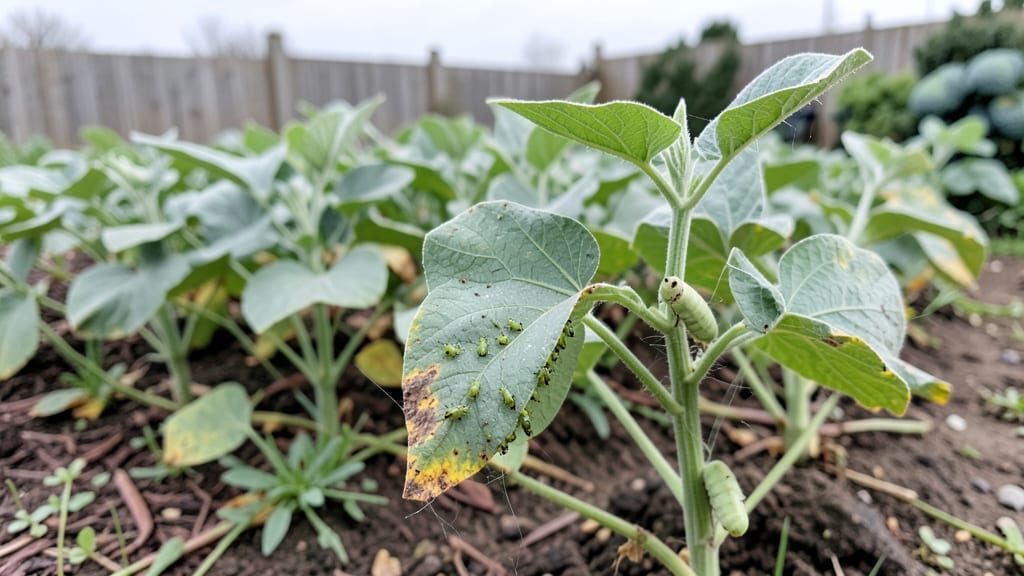
Identifying garden plant pests early saves your entire harvest. 🌱 I’ve watched aphids turn lush tomato plants into sticky, curled messes in just days—until I learned the subtle signs that scream "intruder alert."
The first clue is usually damage that doesn’t match the weather: jagged leaves from slugs, skeletonized foliage from caterpillars, or honeydew trails from aphids. Most gardeners panic when they see holes, but the real key is checking the undersides of leaves where pests hide.
A quick spray of soapy water or neem oil can stop an infestation before it spreads.
By the time you spot wilting or yellowing, the battle’s already lost—but early action keeps your plants thriving. You’ll learn to spot pests before they multiply, using simple traps, companion plants, and even homemade sprays that work better than store-bought chemicals. The goal? A garden that fights back naturally.
Works for veggies, flowers, and shrubs—no matter what’s chewing on your plants, we’ll get them out without harming your soil or pollinators. Let’s turn those warning signs into victory laps.
Root Causes of Plant Pests
Understanding why pests invade your garden is the first step to preventing and managing them effectively. These tiny troublemakers don’t just appear out of nowhere—they’re drawn by specific conditions in your garden. Let’s break down the key reasons behind their unwelcome visits.
Pests thrive in gardens where plants are stressed or packed too closely together. When plants compete for sunlight, water, and nutrients, their natural defenses weaken, making them easier targets for insects like aphids, spider mites, and whiteflies.
- Why it happens: Healthy plants produce stronger chemical defenses (like resins or bitter compounds) that deter pests.
When plants are overcrowded, they grow slowly and become nutrient-deficient, losing these protective traits. - Actionable insight: Space plants according to their mature size and prune regularly to improve air circulation. This reduces humidity levels, which many pests (like fungus gnats) love.
Moisture-loving pests, such as slugs, snails, and certain beetles, are drawn to damp soil and foliage. Poor drainage creates the perfect breeding ground for these pests, as stagnant water attracts their eggs and larvae.
- Why it happens: Standing water doesn’t just harm plant roots—it also creates ideal conditions for pests to multiply. For example, slugs thrive in damp, shady areas where moisture lingers. - Actionable insight: Improve soil drainage by amending it with compost or sand.
Use raised beds or containers for plants prone to rot, and avoid overwatering. Mulch strategically to retain moisture without creating soggy conditions.
Plants that lack essential nutrients (like nitrogen, phosphorus, or potassium) become more susceptible to pest attacks. Some pests, such as cabbage worms or tomato hornworms, are specifically attracted to nutrient-rich plants because they provide better food sources.
- Why it happens: Weak plants with poor nutrient uptake can’t produce the same level of protective compounds.
Additionally, synthetic fertilizers (especially nitrogen-heavy ones) can sometimes attract pests by making plants more palatable. - Actionable insight: Conduct a soil test to identify deficiencies and use organic amendments like compost, worm castings, or bone meal to balance nutrients. Avoid over-fertilizing, as this can create a feast for pests.
Many pests are kept in check by their natural enemies, such as ladybugs, lacewings, birds, and parasitic wasps. When these predators are absent—due to pesticide use, habitat loss, or urbanization—pest populations explode.
- Why it happens: Modern gardening practices (like broad-spectrum pesticides) can wipe out beneficial insects along with the pests. Without these predators, harmful insects reproduce unchecked. - Actionable insight: Encourage biodiversity by planting native flowers (like dill, fennel, or marigolds) that attract beneficial insects.
Avoid chemical pesticides and opt for targeted, organic solutions like neem oil or insecticidal soap.
Pests are highly sensitive to temperature and weather patterns. Warmer climates and extended growing seasons can prolong pest activity, while sudden temperature changes (like early frosts) can disrupt their life cycles—sometimes making them more aggressive.
- Why it happens: Mild winters allow pests to survive and reproduce longer, while erratic weather (like heavy rains followed by drought) stresses plants, making them more vulnerable. - Actionable insight: Monitor local weather forecasts and adjust your gardening practices accordingly.
Use row covers in early spring to protect young plants from cold-loving pests like cutworms. Mulch to regulate soil temperature and reduce stress on plants.
Sometimes, the way we garden accidentally invites pests. For example, leaving fallen fruit, compost piles, or garden debris can attract rodents, beetles, and other pests looking for food or shelter.
- Why it happens: Pests are opportunistic—they seek out easy meals and hiding spots. Even well-meaning practices, like overwatering or using untreated wood for raised beds, can create pest magnets. - Actionable insight: Keep your garden tidy by removing debris, fallen leaves, and overripe produce promptly.
Store compost in sealed bins away from planting areas, and choose pest-resistant plant varieties when possible.
Quick Fixes for Common Plant Invaders
When pests invade your garden, acting fast can save your plants—and your sanity. Below are practical, organic solutions tailored to the most common culprits, paired with prevention tips to keep your garden thriving long-term. No harsh chemicals needed—just smart, eco-friendly strategies!
Cause: These sap-sucking insects cluster on new growth, leaving behind sticky honeydew (which attracts sooty mold). Fix It:
- 🔥 Blast Them Off: Spray plants with a strong stream of water (morning or evening) to dislodge aphids. Repeat every 2–3 days until gone.
- 🍳 Soapy Water Spray: Mix 1 tsp mild liquid soap + 1 quart water in a spray bottle. Test on a small leaf first—then douse infested areas. Reapply after rain.
- 👨🍳 Ladybugs & Lacewings: Release beneficial insects (available at garden centers) or plant dill, fennel, or yarrow to attract them naturally.
💡 Prevention Tip: Encourage strong airflow around plants—aphids thrive in crowded, humid spots. Prune regularly to remove weak growth they target.
Cause: These slimy pests leave irregular holes in leaves and flowers, especially after rain. Fix It:
- 🥘 Beer Traps: Bury a shallow dish (like a yogurt cup) filled with beer near affected plants. The slugs crawl in and drown—replace every 2–3 days.
- 🔪 Copper Barriers: Wrap copper tape around pots or garden beds. The mild electric shock (from slugs’ slime) deters them. (Works best for containers!)
- 🌡️ Diatomaceous Earth (DE): Sprinkle food-grade DE around plants in a 1-inch ring. It’s harmless to humans but dehydrates slugs. Reapply after watering.
💡 Prevention Tip: Water in the morning (not evening) so slugs stay hidden. Remove hiding spots like boards, rocks, or dense mulch near plants.
Cause: These tiny white moths cluster under leaves, weakening plants with their sticky residue and transmitting viruses. Fix It:
- ⏰ Yellow Sticky Traps: Hang yellow cards coated with tacky glue near plants. Whiteflies are drawn to yellow and get stuck. Check traps weekly.
- 🍳 Neem Oil Spray: Mix 1 tbsp neem oil + 1 tsp soap + 1 quart water. Spray undersides of leaves at dusk (avoid direct sun). Repeat every 5–7 days for 2 weeks.
- 🌿 Reflective Mulch: Lay aluminum foil or silver plastic sheeting around plants. The reflective surface confuses whiteflies, reducing egg-laying.
💡 Prevention Tip: Isolate new plants for 1–2 weeks to spot hitchhiking pests. Avoid over-fertilizing—whiteflies love soft, nitrogen-rich growth.
Cause: These microscopic red/yellow pests spin webs and suck plant juices, causing speckled leaves that turn yellow/brown. Fix It:
- 🔥 Strong Water Blast: Use a hose with a gentle nozzle to wash mites off leaves. Do this every 2–3 days for 2 weeks.
- 🍳 Homemade Miticide: Mix 1 tbsp vegetable oil + 1 tsp soap + 1 quart water. Spray both sides of leaves at dawn or dusk. Oil smothers mites while soap breaks down their protective coating.
- 🌿 Predatory Mites: Introduce phytoseiulus persimilis (beneficial mites) or release ladybugs. They devour spider mites within days.
💡 Prevention Tip: Mist plants daily in dry climates—mites thrive in low humidity. Dusty leaves = mite heaven—wipe leaves with a damp cloth regularly.
Cause: These pincher-tailed insects chew holes in flowers, leaves, and even newly planted seedlings. Fix It:
- 🔪 Roll-Up Traps: Place corrugated cardboard near plants. Earwigs hide in the folds—burn or drown them daily.
- 🌿 Diatomaceous Earth: Sprinkle DE in a thin band around plants. Avoid direct contact with beneficial insects like bees.
- 🌡️ Coffee Grounds: Scatter used coffee grounds around beds. The bitter smell repels earwigs naturally.
💡 Prevention Tip: Reduce mulch depth near plants—earwigs love hiding in thick layers. Remove debris (like old leaves) where they nest.
🎯 Pro Tip for All Pests: Rotate your methods—pests adapt! If one solution stops working, switch tactics (e.g., from neem oil to sticky traps).
By acting quickly and organically, you’ll protect your garden without harming pollinators or the planet. Happy gardening! 🌱🚫🐛
Frequently asked questions
How do I tell if my plants have pests before visible damage appears?
Check the undersides of leaves for tiny eggs, webbing, or sticky residue (honeydew). Look for chewed edges or speckled leaves—early signs include wilting, yellowing, or curled foliage. Use a magnifying glass for aphids or mites, which are nearly invisible to the naked eye.
Are homemade sprays as effective as store-bought pesticides?
Yes! Soapy water (1 tsp mild soap + 1 quart water) works on aphids and soft-bodied pests. Neem oil (1 tbsp + 1 tsp soap) tackles mites and whiteflies. The key is consistency—reapply every 5–7 days. Store-bought pesticides often contain harsher chemicals that harm beneficial insects.
Why do pests seem to multiply overnight?
Many pests (like aphids or whiteflies) reproduce extremely fast—some lay hundreds of eggs in days. Warm, humid conditions speed up their life cycles. Check for eggs on leaf undersides and act immediately. Remove heavily infested leaves to slow their spread.
Can companion planting really keep pests away?
Plant marigolds (repel nematodes), basil (deters mosquitoes and flies), or nasturtiums (lures aphids away from veggies). The strong scents and flavors mask your plants’ natural aromas, confusing pests. Rotate companion plants seasonally for best results.
What’s the best time of day to treat pests organically?
Spray in the early morning or late evening to avoid harming bees and other pollinators. Direct sunlight can also burn plants when using oils or soapy solutions. Always test sprays on a small leaf first to check for sensitivity.