Planting
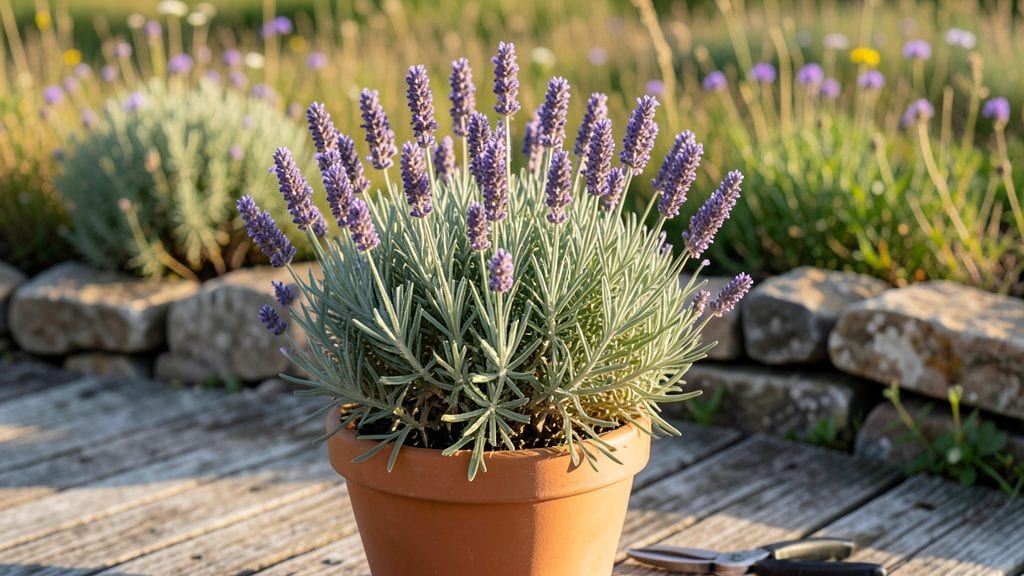
Identifying garden plants doesn't have to be a guessing game—just look at the right clues. 🌿 I've spent years mislabeling plants in my own garden, but once I learned to focus on leaf shape, flower structure, and stem texture, I never struggled again.
The key is breaking it down into simple visual checks that even beginners can master.
Start with leaves: Are they lobed like oak trees, serrated like raspberry canes, or smooth like hostas? Then check the flower arrangement—clusters, single blooms, or spikes?—and the stem's hairiness or smoothness.
My 5-minute rule works every time: if you can't ID it in that window, snap a photo and move on. Common look-alikes like mint vs. oregano or daylilies vs. hostas have subtle differences that become obvious once you know what to spot.
You'll quickly spot the patterns that separate your garden's stars from the impostors. The first time you correctly ID a plant you'd been calling "weed" for years, you'll feel like a detective.
This method works for herbs, perennials, and even tricky shrubs—no fancy tools needed, just your eyes and a little practice.
For the stubborn ones, apps like PlantNet or even a quick Google Lens search can confirm your guesses. But the real skill? Learning to trust your own observations first. That's when gardening stops being a mystery and starts feeling like home. Here's how to start decoding your garden today.
Root Causes of Plant Misidentification
Mistaking one plant for another in your garden can happen for many reasons—some obvious, others sneaky. Understanding why it occurs helps you sharpen your eye and avoid costly errors. Below, we break down the most common culprits, from biology to human error, with clear explanations and actionable insights.
Some plants share striking traits due to evolutionary adaptations or convergent evolution—where unrelated species develop similar features to thrive in the same environment.
- Leaf Shape and Arrangement: Plants like hostas and lily-of-the-valley both have broad, heart-shaped leaves, making them easy to confuse.
Even their leaf arrangement (alternate vs. whorled) can look alike at a glance. - Why? These traits often evolve to maximize sunlight capture or reduce water loss in similar climates. - Actionable tip: Check the leaf veins—hostas have parallel veins, while lily-of-the-valley has a central midrib with side veins.
- Flower Resemblance: Daylilies (Hemerocallis) and true lilies (Lilium) both produce showy, trumpet-shaped blooms, but their stems and foliage differ drastically.
- Why? Flowers evolve to attract pollinators (bees, hummingbirds), so bright colors and shapes repeat across species.
- Actionable tip: Look at the flower structure—daylilies have three petals, while lilies have six tepals (petal-like structures).
- Stem and Growth Habits: Ivy (Hedera helix) and Virginia creeper (Parthenocissus quinquefolia) both climb, but ivy has five-lobed leaves, while Virginia creeper has palmately compound leaves.
- Why? Climbing plants develop tendrils or adhesive pads to latch onto surfaces, leading to similar growth patterns.
- Actionable tip: Examine the leaf texture and edges—ivy leaves are smooth; Virginia creeper’s are serrated.
Even experienced gardeners can misidentify plants when they overlook key details or rely on incomplete information.
- Focusing on One Feature: Spotting a purple flower might lead you to think of lavender, but without checking the square stem (a dead giveaway for mint family plants like lavender) or leaf arrangement, you could confuse it with salvia or catmint.
- Why? Our brains prioritize salient features (like color) over subtler ones (like stem shape).
- Actionable tip: Use the "5-Step Check"—examine leaves, stems, flowers, growth habit, and scent before deciding.
- Seasonal Variations: A plant’s appearance changes with seasons, sunlight, or stress.
A sun-stressed hosta might develop yellow leaves, mimicking nutrient deficiency in other plants. - Why? Plants adjust chlorophyll production and leaf structure to conserve energy in harsh conditions. - Actionable tip: Compare your plant to reference photos from the same season (e.g., spring vs. fall foliage).
- Hybrids and Cultivars: Many garden plants are hybrids (e.g., peonies with doubled blooms) or cultivars (e.g., black mondo grass, a dark variety of Ophiopogon).
These can look nothing like their wild relatives. - Why? Breeders select for traits like color, size, or disease resistance, altering natural forms. - Actionable tip: Always check the scientific name (genus + species)—cultivar names (in single quotes) are less reliable.
Relying on vague descriptions, old books, or unreliable apps can lead to confusion.
- Generic Plant Names: Terms like "shrub rose" or "ornamental grass" are too broad.
A "shrub rose" could be Rosa rugosa, Rosa 'Knock Out,' or Rosa 'Dr. Huey', each with distinct leaf shapes and thorns. - Why? Common names vary by region and gardener preference, while scientific names are standardized. - Actionable tip: Use botanical databases (like USDA Plants or iNaturalist) for accurate IDs.
- Outdated Field Guides: A guide from the 1980s might not account for newly introduced plants (e.g., 'Stormy Seas' hydrangea, a modern cultivar).
- Why? Plant taxonomy and horticulture evolve as new species are discovered or bred.
- Actionable tip: Cross-reference with recently updated resources (e.g., The New Sunset Western Garden Book).
- App Limitations: Plant ID apps like PlantNet or Google Lens use image recognition, which can fail with:
- Blurry or partial photos (e.g., only showing flowers).
- Uncommon or hybrid plants not in their database.
- Why? AI models train on specific datasets, and rare or modified plants may not be included.
- Actionable tip: Combine app results with manual checks—never rely on one source.
Stress from poor soil, pests, or weather can drastically alter a plant’s appearance, making identification harder.
- Pests and Diseases: Spider mites on a rose can cause yellowing leaves, mimicking nutrient deficiency. Powdery mildew on phlox turns leaves white, resembling lamb’s ear (a completely different plant).
- Why? Pathogens and pests disrupt photosynthesis and nutrient uptake, altering leaf color and texture.
- Actionable tip: Look for physical signs of damage (e.g., webs, spots, holes) before assuming it’s a different species.
- Light and Soil Differences: A coleus grown in low light may develop lighter, less vibrant leaves, making it resemble begonia.
Similarly, acidic soil can turn hydrangea flowers blue, confusing it with blue porterweed (Tradescantia). - Why? Plants adapt physiologically to their environment, changing pigment and growth patterns. - Actionable tip: Note the growing conditions (sun/shade, soil pH) when comparing to reference images.
- Age of the Plant: A young oak tree has lobed leaves, but its juvenile leaves might look like maple.
Similarly, mature ferns develop fronds differently than emerging fiddleheads. - Why? Plants undergo ontogenetic changes—their structure evolves as they grow. - Actionable tip: Compare your plant to multiple growth stages in identification guides.
When in doubt, eliminate impossible matches before narrowing down the options. Ask:
- Does this plant have flowers? (If yes, check bloom time and structure.)
- Is it an annual, perennial, or shrub? (Growth habit varies.)
- Are the leaves simple or compound? (e.g., oak = lobed; ash = pinnate)
- Does it have thorns, spines, or smooth stems? (e.g., roses vs. viburnum)
By understanding why misidentification happens, you’ll train your eye to spot the subtle clues that separate look-alikes. Next time you’re stumped, slow down—the devil is in the details! 🕵️♂️🔍
Quick Fixes for Plant ID Confusion
Struggling to match your garden mystery to the right plant? Don’t stress—these practical solutions will help you decode your leafy puzzles fast. Below, we’ll tackle common stumbling blocks (like fuzzy details or seasonal changes) with clear steps and prevention tips to keep your plant ID skills sharp.
Problem: Your plant’s leaves resemble five others in your guidebook, and you’re stuck in analysis paralysis. Fix:
- **Check the underside of leaves—some have fuzzy hairs (like lamb’s ear), waxy coatings (hostas), or distinct veins (monstera).
- Smell test: Crush a leaf between your fingers. Minty? Citrusy? Or just earthy? (Example: Rosemary smells piney; basil is herbaceous.)
- Leaf arrangement: Are they opposite (like mint), alternate (tomato), or whorled (hostas)? Snap a photo and compare side-by-side.
Prevention Tip:** 💡 Carry a small magnifying glass in your gardening toolkit for close-ups of tiny details (like stipules or leaf edges).
Problem: Your plant looks nothing like its summer self in winter—bare stems, no flowers, or curled leaves. Fix:
- Stem texture: Is it woody (shrubs), hollow (sunflowers), or succulent (aloes)? Use a knife to scrape a tiny section—some reveal colorful pith (e.g., dogwood’s red center).
- Bud shapes: Even dormant plants have buds. Pointy buds = spring bloomers (like lilacs); round buds = roses or hydrangeas.
- Root clues: Gently dig up a small section (if ethical) to check for rhizomes (irises), tubers (potatoes), or fibrous roots (grass).
Prevention Tip: ✨ Label plants in fall with a photo of their summer form—stick it to the stake or use a waterproof marker.
Problem: Your plant is all leaves—no flowers or fruit to cross-reference. Fix:
- Leaf shape + growth habit:
- Heart-shaped leaves + climbing? → Likely ivy or Virginia creeper.
- Serrated edges + white sap? → Milkweed or poinsettia.
- Needle-like leaves? → Pine, spruce, or juniper (count the bundles: pines have clusters of 2–5).
- Smell the stems: Some plants (like jasmine or honeysuckle) release scent when crushed, even without flowers.
Prevention Tip: 🌡️ Press a few leaves between book pages in a dry spot—herbariums preserve shape and color for future reference.
Problem: You’re overwhelmed by field guides or can’t find a match. Fix:
- Use these free tools:
- PlantNet (upload photos, AI suggests IDs).
- iNaturalist (crowdsourced IDs + local expert input).
- Google Lens (point your phone at the plant, get instant results).
- Pro tip: 🎯 Take photos in natural light, including:
- A close-up of leaves/stems.
- The whole plant (showing height and shape).
- Any unique features (e.g., thorns, bumps, or unusual growth patterns).
Prevention Tip: 🔥 Bookmark your top 3 apps so you’re never without help—even in the garden!
Problem: Your plant defies all logic—no matches, bizarre traits, or invasive tendencies. Fix:
- Check for pests/disease: Yellowing? Holes? Wilting? Rule out damage first (e.g., aphids vs. nutrient deficiency).
- Compare to “weeds”: Is it a volunteer tomato? A stray mint? Some “mystery plants” are just garden escapees.
- Ask locals: Post in gardening forums or visit a master gardener program—they’ve seen it all!
Prevention Tip: 💪 Keep a “plant journal” with dates, conditions, and photos—future you will thank present you.
Remember: Even experts start with confusion—patience and curiosity are your best tools. Now grab those shears, snap a pic, and let the detective work begin! 🕵️♂️🌿
Frequently asked questions
What are the most important features to look for when trying to identify a garden plant?
Focus on leaf shape, arrangement, and texture, plus flower structure if present. Check for stem characteristics (hairy, smooth, woody) and growth habit (climbing, bushy, or spreading). These four clues solve 80% of garden mysteries.
Can I identify a plant just from a photo?
Yes! Use apps like PlantNet or Google Lens for instant suggestions. For best results, include close-ups of leaves, stems, and flowers (if any) plus a full-plant shot. Avoid blurry images or partial views—details matter most.
Why do some plants look identical but have different names?
Many plants share traits due to evolutionary adaptations (like similar leaf shapes for sunlight capture). Others are cultivars (e.g., 'Black Mondo Grass') bred for color/size. Always check scientific names (genus + species) for accuracy.
What should I do if my plant doesn’t match anything online?
Start by ruling out pests/disease (check for holes, spots, or wilting). Compare to local weeds or garden escapees (like mint or tomato volunteers). If truly unknown, post photos to gardening forums or consult a master gardener.
How can I remember plant ID tricks for similar-looking species?
Use mnemonics like "Oak leaves have lobes, maple leaves have points" or "Ivy climbs with five fingers." Create a cheat sheet with side-by-side comparisons of tricky pairs (e.g., hosta vs. lily-of-the-valley). Practice with 10 common look-alikes weekly.