
Tools
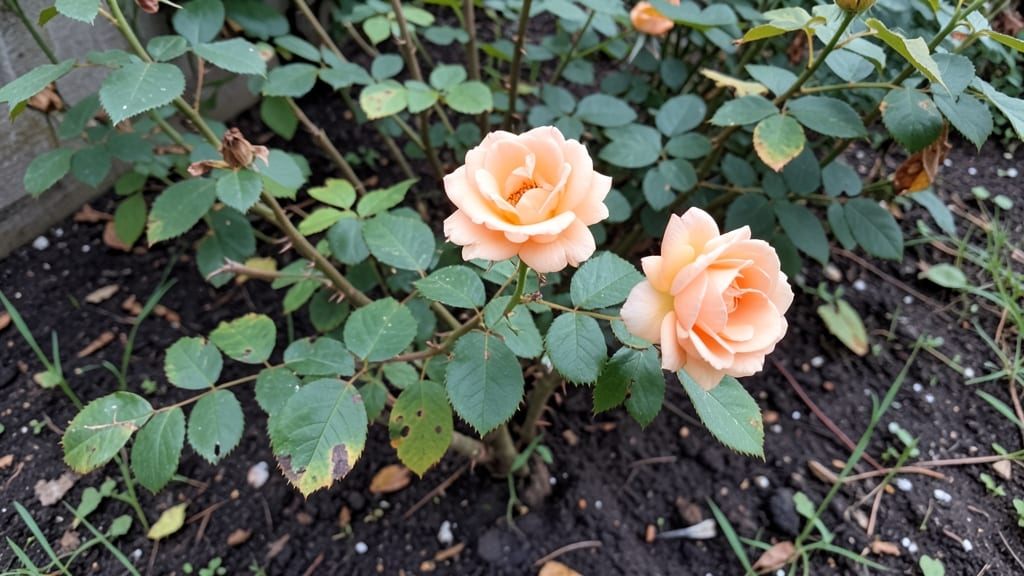
Planting a garden rose named "Peach" transforms any yard into a fragrant, sunlit haven with velvety blooms that last from spring through frost. 🌸 I remember the first time I saw one in bloom—its soft pink petals smelled like summer in a glass jar, and I knew it would be the star of my garden.
This rose isn’t just pretty; it’s resilient, thriving in full sun with minimal fuss once you get the basics right.
The secret to its success starts with the right spot: at least 6 hours of direct sunlight daily and well-draining soil mixed with compost. Water deeply once a week (more in extreme heat) and mulch to keep roots cool.
Pruning might sound scary, but it’s just about opening up the center for airflow—cut back dead wood in late winter and shape lightly after blooms fade. With these simple steps, you’ll encourage abundant, repeat blooms all season long.
What makes this rose truly special is how it pairs with other plants. Try pairing it with lavender for pest control or catmint for contrast—both love the same sunny conditions. The peach-toned blooms also glow against dark foliage like black mondo grass or silver-blue salvia.
By midsummer, your garden will smell like a peach orchard on a warm afternoon, and neighbors will ask for your secret.
Even in colder zones, this rose handles winter well if you protect it with a thick layer of mulch and a burlap wrap.
The first year might be about establishing roots, but by year two, you’ll have a bush bursting with fragrant, velvety blooms that turn heads—and fill your garden with that intoxicating peach scent. Ready to grow one that stands out?
📚 In This Guide
- What you need
- Instructions
- Tips and common mistakes
- Wrapping up and next steps
What you need
- ● Peach tree sapling: Choose a garden rose peach variety (e.g., 'Redhaven' or 'Elberta') from a reputable nursery. 1 plant per tree.
- ● Well-draining soil: Mix 60% topsoil, 30% compost, and 10% perlite/sand for optimal drainage.
- ● Fertilizer: 10-10-10 balanced fertilizer (1 lb per tree) or organic options like alfalfa meal or fish emulsion.
- ● Mulch: 3-4 inches of wood chips or straw to retain moisture and suppress weeds.
- ● Watering system: Drip irrigation or soaker hose (or a 5-gallon watering can for smaller gardens).
- ● Pruning tools: Bypass pruners (for clean cuts)
- ● Loppers (for thicker branches)
- ● Pruning saw (for large limbs)
- ● Support structure: Sturdy stake or tree cage (4-6 ft tall) to secure young trees.
- ● Garden gloves: Heavy-duty nitrile or leather gloves to protect hands.
- ● Soil pH tester: Ensures soil is 6.0-7.0 pH (ideal for peaches).
- ● Tree guard: Metal or plastic wrap to protect young trunks from pests.
- ● Organic pest control: Neem oil or horticultural oil for aphids/mites.
- ● Seasonal care: Winter mulch (extra straw) for cold climates.
- ● Bloom booster (e.g., Epsom salt) in early spring.
Step-by-step guide to planting and caring for a peach tree rose
This fragrant beauty thrives with the right care—let's plant it right and keep it blooming.
🌱 Step 1: Choose the Perfect Planting Spot
Peach tree roses need full sun—at least 6 hours daily—to produce those stunning blooms. I always pick a location where they’ll get morning sun and afternoon shade in hotter climates. The soil should drain well; if yours is heavy clay, amend it with 2-3 inches of compost mixed into the top 12 inches of soil.
Dig a hole twice as wide as the root ball but only as deep—planting too deep can suffocate the roots. Loosen the roots gently if they’re circling the pot. Here’s the thing—peach tree roses are sensitive to transplant shock, so handle them like delicate glassware.
💧 Step 2: Plant and Water Deeply
Place the rose in the hole so the graft union (the bump near the base) sits 2-3 inches above soil level. This prevents soil from smothering the graft and causing suckers to grow. Backfill with native soil, tamping lightly as you go to remove air pockets. Water deeply right after planting—1-2 gallons—to settle the soil and eliminate gaps.
Mulch around the base with 2-3 inches of organic mulch, keeping it 6 inches away from the trunk to prevent rot. Water again in 7-10 days to encourage root establishment. You’ll know it’s working when new growth appears within 3-4 weeks.
☀️ Step 3: Prune for Shape and Health
Prune in late winter or early spring before new growth starts. Remove dead, diseased, or crossing branches first—these compete for energy and invite pests. Cut just above an outward-facing bud at a 45-degree angle to encourage healthy growth. I always leave 3-5 main branches to maintain the tree’s natural shape.
Thin out crowded areas to improve airflow, which reduces fungal diseases like black spot. Avoid heavy pruning in summer—it stresses the plant and weakens blooms. Watch for suckers (shoots growing below the graft)—remove them immediately to preserve the peach tree’s unique form.
✂️ Step 4: Feed and Maintain Year-Round
Apply a balanced fertilizer (10-10-10) in early spring when buds swell, then again in mid-summer after the first flush of blooms. I use ½ cup per tree and water it in well. Over-fertilizing leads to lush foliage but fewer flowers—so follow the ¼ cup rule if unsure.
Water deeply once a week during dry spells, aiming for 1-1.5 inches of water. Peach tree roses hate soggy roots, so always check the soil—if it’s 2 inches dry, it’s time to water. Deadhead spent blooms regularly to encourage continuous flowering and prevent seed formation.
🪴 Step 5: Protect Against Pests and Disease
Inspect leaves weekly for signs of aphids, spider mites, or powdery mildew. A strong spray of water can knock off aphids, while neem oil treats fungal issues preemptively. I apply neem oil in early spring and late summer as a preventive measure—it’s gentle but effective.
Watch for rose slugs (sawfly larvae) in summer—they skeletonize leaves overnight. Handpick them or use Bacillus thuringiensis (BT) for organic control. A healthy peach tree rose is resilient, but early intervention keeps it thriving. You’ll love those fragrant blooms when you see them!
Tips & tricks for perfect garden rose peach tree care
Planting and maintaining a peach tree rose takes patience and attention to detail—but these tips will help you avoid common pitfalls and keep your tree thriving for years. Here's what I've learned from watching mine flourish.
The Sunlight Secret: That 6-hour daily sun requirement is non-negotiable for those fragrant blooms. If your yard only gets partial sun, consider planting near a south-facing wall or fence that reflects sunlight. I've seen peach tree roses in partial shade produce gorgeous foliage but minimal flowers—so mark your sunniest spot with stakes before digging. The morning sun and afternoon shade combo in hotter climates is actually ideal for preventing heat stress.
Graft Union Protection: Positioning that graft union 2-3 inches above soil level is critical—it's the tree's genetic blueprint that keeps it producing those beautiful peach-shaped blooms. If you plant too deep, the graft can suffocate, and you'll end up with a regular rose bush instead of your peach tree variety. After planting, I always double-check by measuring from the soil line to the graft bump with my fingers—it's a quick habit that saves headaches later.
Root Establishment Timeline: Those 3-4 weeks until new growth appears can feel like forever, but it's a crucial period. The 7-10 day watering check isn't just arbitrary—it gives roots time to establish without becoming waterlogged. I've found that gently scratching the soil surface with a stick after watering helps me track moisture levels. If it's dry 2 inches down, your tree needs more water; if it's still damp, hold off to prevent root rot.
Pruning Precision: When you're cutting at that 45-degree angle above an outward-facing bud, think of it like drawing an arrow pointing away from the center of the tree. This simple technique ensures new growth will develop outward rather than inward. I always prune on a dry day when the tools are clean—sterilizing your pruners with rubbing alcohol between cuts prevents spreading disease from one branch to another.
Pro Tips for Garden Rose Peach
- Planting and maintaining a peach tree rose takes patience and attention to detail—but these tips will help you avoid common pitfalls and keep your tree thriving for years.
- The Sunlight Secret: That 6-hour daily sun requirement is non-negotiable for those fragrant blooms.
- Graft Union Protection: Positioning that graft union 2-3 inches above soil level is critical—it's the tree's genetic blueprint that keeps it producing those beautiful peach-shaped blooms.
Frequently asked questions
When is the best time to plant a Garden Rose Peach tree?
The ideal planting window is late fall to early spring (before buds swell). This gives roots time to establish before summer heat. If planting in summer, water deeply 2–3 times per week and mulch heavily to retain moisture. Avoid transplanting during flowering—prioritize root growth over blooms!
Why aren’t my Garden Rose Peach blooms lasting long?
Short-lived blooms often signal stress or improper care. Check for:
- Watering: Overwatering causes rot; underwatering stresses the tree. Aim for 1–2 inches of water weekly (more in heat).
- Pruning: Deadhead spent blooms regularly to encourage new growth. Prune in late winter to remove crossing branches.
- Sunlight: Ensure 6+ hours of full sun daily—partial shade shortens bloom cycles.
If issues persist, test soil pH (ideal: 6.0–7.0) and amend with compost if needed.
Can I grow a Garden Rose Peach in a container?
Yes! Choose a large pot (20+ gallons) with drainage holes and use well-draining potting mix. Dwarf varieties (like ‘Bonanza’) adapt best. Move containers to sunny outdoor spots in summer and bring indoors (50°F+) when temps drop below freezing. Fertilize monthly during growing season for optimal fruit/bloom production.
How do I protect my tree from pests like aphids or borers?
Prevention is key! Start with healthy soil (rich in organic matter) to boost tree resilience. For pests:
- Aphids: Spray with neem oil or introduce ladybugs. Blast off with water early in the morning.
- Borers: Apply beneficial nematodes (like Heterorhabditis bacteriophora) to soil in spring/fall. Prune infested branches sterilized tools.
- Preventative tip: Wrap the trunk with tree guard in early spring to deter girdling insects.
Inspect leaves weekly during growing season for early signs.
Does a Garden Rose Peach tree survive winter in cold climates?
Most varieties tolerate USDA Zones 5–9, but young trees or Zone 5 gardens need extra care:
- Mulch 3–4 inches deep around the base (avoid touching the trunk).
- Wrap the trunk with burlap or frost cloth in late fall, securing loosely.
- Water before freezing to prevent root desiccation.
For Zones 4 or colder, grow in containers and overwinter indoors near a sunny window. Varieties like ‘Redhaven’ are hardier—check labels when selecting!
Wrapping up and next steps
Growing a garden rose peach tree is a rewarding journey that brings year-round beauty, fragrant blooms, and delicious fruit to your landscape. Whether you're a seasoned gardener or just starting, this versatile tree offers endless charm—from its stunning flowers to its luscious peaches. 🌸
Ready to transform your garden? Start small: research your climate, gather the right tools, and plant with care. Before you know it, you’ll be harvesting peaches and enjoying the sweet rewards of your hard work! 🍑✨