
Vegetables
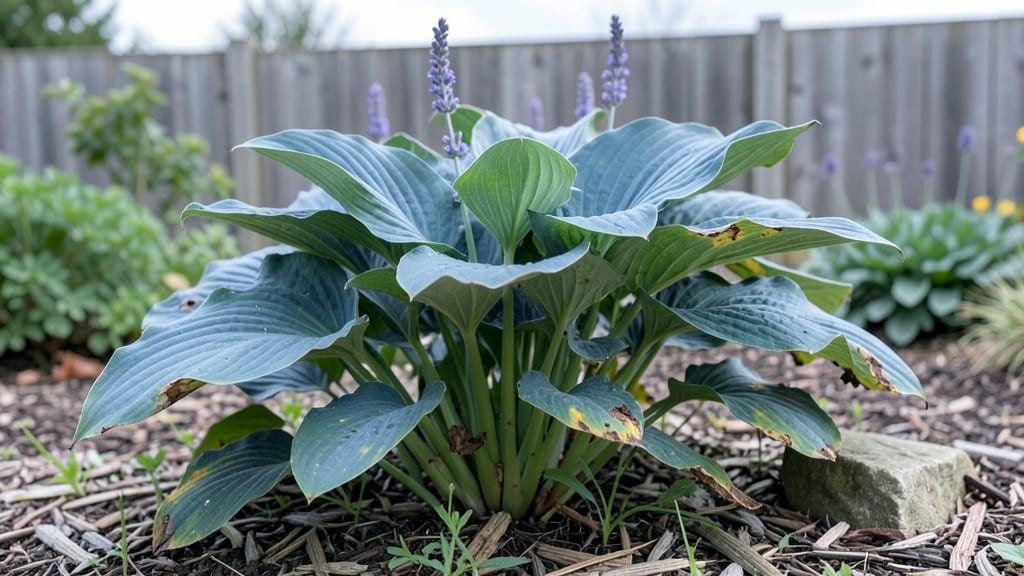
Visiting the best gardens in the USA feels like stepping into a living postcard—where every path leads to a new masterpiece of color and texture. 🌿 I’ve wandered through gardens where peonies spill over stone walls, boxwood hedges form perfect geometric shapes, and native wildflowers hum with bees.
These aren’t just gardens; they’re carefully crafted escapes that prove beauty doesn’t require endless upkeep.
The magic lies in their low-maintenance layouts—strategic plant pairings, hardscaping that reduces weeding, and seasonal interest that keeps things lively year-round. Take the Longwood Gardens in Pennsylvania, where waterfalls and vibrant borders coexist with drought-tolerant perennials that thrive with minimal fuss.
Or the Desert Botanical Garden in Arizona, where cacti and succulents create drama with almost no irrigation once established.
What makes these gardens inspiring isn’t just their grandeur, but how they prove year-round beauty is achievable—even in climates with harsh winters or scorching summers.
You’ll leave with ideas for your own space: how to layer plants for continuous blooms, use mulch to cut watering in half, or design paths that guide visitors (or yourself) through a serene journey. The best part? Many of these techniques translate directly to home gardens.
Whether you’re dreaming of a cottage-style retreat or a modern minimalist oasis, these gardens offer proof that great design doesn’t mean high maintenance. Let’s explore how to borrow their secrets for your own backyard sanctuary—no green thumb required.
📚 In This Guide
- What you need
- Instructions
- Tips and common mistakes
- Wrapping up and next steps
What you need
- ● Soil: 2–3 cubic yards of high-quality garden soil (or a mix of topsoil and compost for raised beds). Look for labels like "organic" or "vegetable garden blend."
- ○ Optional: 1–2 bags of worm castings (for nutrient boost) or aged manure (composted, not fresh!).
- ● Containers or Beds: Raised beds: 4' x 8' x 12" (minimum) or 2' x 6' x 12" (for smaller spaces). Use untreated wood (cedar or redwood) or durable fabric beds.
- ● Containers: 5–10 gallon pots (for herbs/tomatoes) or whiskey barrels (for vertical gardens). Ensure they have drainage holes!
- ● Seeds or Seedlings: Choose disease-resistant, heirloom, or hybrid varieties suited to your blank">USDA Hardiness Zone. Start with 5–10 plants of each type (e.g., cherry tomatoes, zucchini, basil).
- ● Pro Tip: 🌡️ Buy seeds locally adapted to your region (e.g., heat-tolerant peppers for Zone 9).
- ● Watering Supplies: Drip irrigation kit ($20–$50) or soaker hoses (10–20 ft length).
- ● Watering can (2–3 gallon capacity) for spot-watering.
- ○ Optional: Rain barrel (30–50 gallon) to conserve water.
- ● Tools: Hand trowel (6–8" for precision).
- ● Pruners (bypass pruners for clean cuts).
- ● Garden gloves (nitrile-coated for durability).
- ● Stakes or cages (5–6 ft tall) for tomatoes/peppers.
- ○ Optional: Wheelbarrow (2–3 cubic ft) for hauling soil.
- ● Sunlight: 6–8 hours of direct sun daily (south-facing spots are ideal in the Northern Hemisphere). Use a blank">sunlight calculator for your location.
- ● Drainage: Ensure no standing water after rain. Elevated beds or containers help if your soil is clay-heavy.
- ● Access to Water: Gardens need 1–1.5 inches of water per week. Check local water restrictions.
- ● Local Climate Knowledge: Research frost dates, pests, and disease risks in your area (e.g., squash vine borers in the South, powdery mildew in humid zones).
- ○ Optional: Mulch (straw or wood chips, 2–3 inches thick) to retain moisture and suppress weeds.
Step-by-Step guide to creating low-maintenance year-round gardens
Transform any outdoor space into a stunning, effortless garden that thrives through every season.
🌱 Step 1: Design for Seasonal Layers and Year-Round Interest
Start by selecting plants that offer color, texture, and structure across all four seasons. I always begin with evergreen shrubs like boxwood or holly as the backbone—they provide winter interest while requiring minimal care. Add spring bulbs (daffodils, tulips) for early pops of color, summer perennials (coneflowers, black-eyed Susans) for mid-season blooms, and fall foliage (Japanese maples, sumac) for autumn drama.
Here's the thing—layering heights creates visual depth. Place taller plants (like ornamental grasses) at the back, mid-height shrubs (like hydrangeas) in the middle, and low-growing ground covers (like creeping thyme) in front. This ensures every season has something captivating without overwhelming maintenance.
☀️ Step 2: Optimize Sun and Soil for Low-Maintenance Thriving
Most low-maintenance gardens thrive in full sun to partial shade, so assess your space first. If your yard gets less than 4 hours of direct sunlight, focus on shade-tolerant plants like hostas, ferns, or heucheras. For sunnier spots, drought-resistant perennials like lavender, sedum, and Russian sage are absolute winners—they demand almost no water once established.
Amend your soil with 2-3 inches of compost before planting to improve drainage and fertility. I swear by mulching (using 2-4 inches of shredded bark or wood chips) to suppress weeds, retain moisture, and regulate soil temperature. This single step cuts down on weeding by 80%—trust me, your back will thank you.
🪴 Step 3: Install Drought-Tolerant Hardscapes and Water Features
Incorporate gravel paths, decomposed granite, or stepping stones to reduce lawn areas—these require zero mowing and minimal upkeep. I like to weave in native rocks or boulders for texture while keeping irrigation needs to a minimum. For a focal point, add a small water feature (like a preformed pond liner or bubbling rock fountain)—the sound of water attracts wildlife and adds tranquility without extra effort.
Place a drip irrigation system along paths or under mulch to deliver water directly to roots. This method uses 30% less water than overhead sprinklers and keeps foliage dry, reducing fungal diseases. Set it on a timer for 2-3 times per week in dry spells, and you’ll have a garden that stays lush with almost no daily work.
✂️ Step 4: Prune Strategically for Year-Long Beauty
Prune perennials in early spring (before new growth appears) to remove dead stems and shape the plant. For shrubs, I trim right after flowering to encourage bushier growth. The key is never to cut into old wood—always leave some foliage to protect the plant and maintain its natural form. A sharp pair of bypass pruners makes this task quick and precise.
Deadhead spent blooms weekly to prolong flowering and prevent self-seeding weeds. I know it sounds tedious, but setting a 10-minute timer while enjoying a cup of coffee turns it into a relaxing ritual. For evergreens, a light shaping trim in late winter keeps them looking neat without stressing the plant.
🌿 Step 5: Add Low-Maintenance Ground Covers and Pollinator-Friendly Plants
Replace high-maintenance lawn areas with ground covers like creeping juniper, ice plant, or clover. These spread quickly, suppress weeds, and require no mowing or fertilizing. I’ve seen clover lawns thrive with just 1 inch of rain per week—that’s unheard of for traditional grass!
Incorporate native pollinator plants like bee balm, milkweed, and purple coneflower to attract beneficial insects while keeping the garden vibrant. These plants are drought-resistant, disease-free, and self-sustaining, meaning once they’re established, they’ll spread and thrive with minimal intervention. Plus, you’ll get the added bonus of butterflies and hummingbirds all season long.
Tips & tricks for perfect low-maintenance year-round gardens
Creating a stunning garden that thrives all year with minimal effort is totally doable—here are my game-changing strategies to elevate your outdoor space.
Seasonal Layering Secret: In Step 1, when designing your seasonal layers, I recommend adding one ornamental grass variety (like fountain grass or maiden grass) for dramatic winter interest. These grasses provide texture and movement even when dormant, and they're completely maintenance-free once established. The key is to plant them at the back of your beds where their height will create that stunning layered effect without blocking sunlight from other plants.
Soil Prep Game-Changer: For Step 2, don't just add compost—create a compost tea first by steeping compost in water for 24-48 hours. This concentrated nutrient solution gives your plants an instant boost while improving soil structure. I mix it directly into my planting holes before adding the amended soil, and it makes a noticeable difference in root development and plant vigor. This step takes about 10 minutes but pays off for years.
Watering Efficiency Hack: When installing your drip irrigation system in Step 3, place emitters at the base of each plant rather than along the paths. This targeted approach delivers water exactly where roots need it most, reducing runoff and evaporation. I also recommend installing a rain sensor that automatically shuts off your system during rainfall—it's a small investment that saves hundreds of gallons of water annually while keeping your garden perfectly hydrated.
Pruning Pro Tip: In Step 4, when deadheading weekly, I've found that using clean, sharp pruning shears (not scissors) makes the job faster and prevents plant damage. The secret is to cut just above a leaf node or set of leaves—this encourages new growth at the perfect spot. For evergreens, I trim in late winter when new growth is just starting, which gives them a fresh look without stressing the plant during its dormant period.
Pro Tips for Best Gardens In Usa
- Creating a stunning garden that thrives all year with minimal effort is totally doable—here are my game-changing strategies to elevate your outdoor space.
- Seasonal Layering Secret: In Step 1, when designing your seasonal layers, I recommend adding one ornamental grass variety (like fountain grass or maiden grass) for dramatic winter interest.
- Soil Prep Game-Changer: For Step 2, don't just add compost—create a compost tea first by steeping compost in water for 24-48 hours.
Frequently asked questions
Planning a low-maintenance garden in the U.S.? Here are answers to common questions to help you get started with ease and confidence!
What are the easiest plants to grow for a low-maintenance garden?
Opt for drought-tolerant and native plants like lavender, succulents (e.g., sedum or aloe), or perennials such as black-eyed Susans. Vegetables like tomatoes, zucchini, and kale thrive with minimal fuss—just ensure they get 6+ hours of sunlight and well-draining soil. Herbs like rosemary and thyme also require little water once established!
How often should I water a low-maintenance garden?
Watering needs vary by climate, but a general rule is 1–2 inches per week (including rainfall). Use mulch (like wood chips or straw) to retain moisture and reduce evaporation. In hotter regions (e.g., Arizona or California), water deeply 2–3 times per week early in the morning. Drip irrigation is a game-changer for efficiency!
What’s the most budget-friendly way to start a low-maintenance garden?
Start small with $50–$100 by:
- Reusing containers (buckets, pallets) for herbs or veggies.
- Collecting free seeds from local farms or swapping with neighbors.
- Using grass clippings or fallen leaves as mulch.
- Skipping pricey soil—amend native dirt with compost instead.
Can I have a low-maintenance garden in extreme climates (e.g., deserts or freezing zones)?
In deserts, focus on xeriscaping with cacti, agave, or Russian sage. For cold climates, choose hardy perennials like coneflowers or hostas, and use seasonal mulch to protect roots. Container gardening is ideal for both—move pots indoors or to shaded areas as needed!
How do I keep pests away without chemicals?
Prevent pests naturally with:
- Companion planting: Pair tomatoes with basil or marigolds to deter bugs.
- Neem oil or soapy water sprays for targeted treatment.
- Encourage beneficial insects like ladybugs with native flowers.
- Use row covers for young plants.
Wrapping up and next steps
From lush desert oases to coastal botanical wonders, the best gardens in the USA prove that beauty and ease can go hand in hand. Whether you’re drawn to drought-resistant landscapes or low-maintenance perennials, these spaces inspire year-round joy with minimal effort.
Now that you’ve explored the possibilities, why not take the next step? Start small—plant a few hardy herbs in your backyard or visit one of these gardens for firsthand inspiration! 🌿✨
Your perfect garden awaits—just a seed (or a road trip) away!