Vegetables
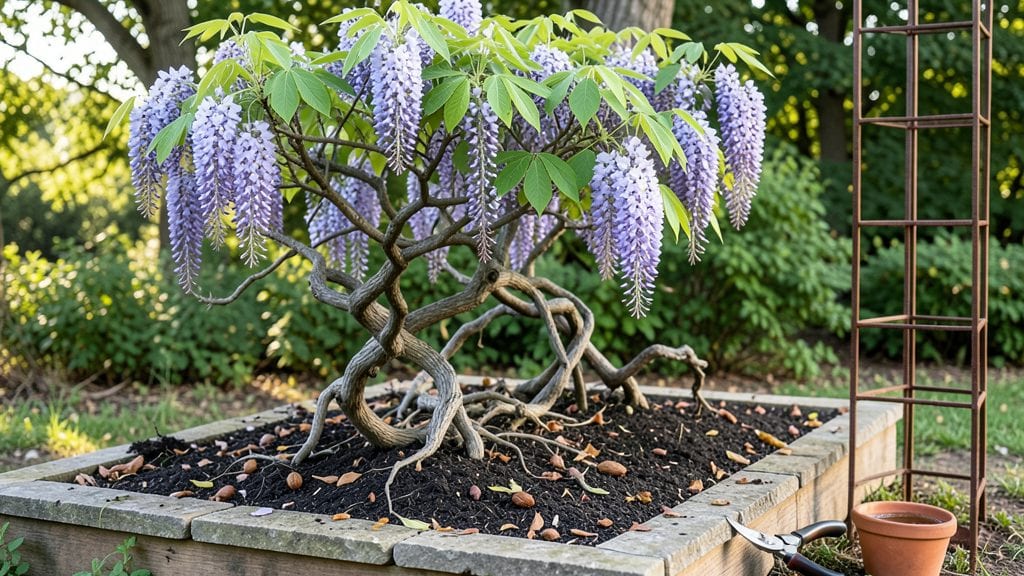
The fragrant cascades of wisteria at Longwood Gardens prove spring isn’t just a season—it’s a sensory explosion. 🌿 That signature lavender haze isn’t accidental; it’s the result of deliberate placement along pergolas, arbors, and sunlit walls where the vines stretch toward the sky.
What makes Longwood’s wisteria so special isn’t just the blooms, but how they’re woven into the landscape like living tapestries.
Here’s the secret: wisteria thrives when given structure—whether a sturdy trellis, a rustic arbor, or even a carefully positioned fence. At Longwood, they’re trained to climb upward, creating vertical drama that transforms ordinary spaces into showstoppers.
The key is patience; those first delicate tendrils take time to establish, but once they do, they reward you with years of fragrant beauty.
Imagine your own garden in late spring, when the air hums with wisteria’s intoxicating scent and the vines burst into color. The effect is pure magic—soft purple, blue, or white blooms spilling over arches, framing doorways, or climbing toward rooftops.
At Longwood, they’ve mastered the art of making wisteria the centerpiece without overwhelming other plants.
Whether you’re dreaming of a grand pergola or a simple trellis by the patio, wisteria’s elegance works in any scale. The real trick? Starting with healthy vines and giving them room to grow.
Longwood’s approach turns a climbing vine into a year-round statement piece—fragrant in spring, lush in summer, and even winter’s bare branches hold quiet beauty.
📚 In This Guide
- What you need
- Instructions
- Tips and common mistakes
- Wrapping up and next steps
What you need
- ● Wisteria plant: Option 1: 1-2 mature wisteria plants (Chinese Wisteria sinensis or Japanese Wisteria floribunda) from a nursery (ensure they’re disease-free!).
- ● Option 2: 5-10 hardwood cuttings (6–12 inches long, taken in late winter/early spring).
- ● Option 3: Seeds (requires patience—germination can take months!)
- ● Support structure: 1 sturdy arbor, trellis, or pergola (at least 8–10 feet tall for mature vines).
- ● Galvanized wire or metal mesh (if DIY-ing a trellis).
- ● Soil & amendments: Well-draining, slightly acidic soil (pH 6.0–7.0).
- ● Compost or aged manure (1–2 buckets per planting hole).
- ● Slow-release fertilizer (balanced 10-10-10 or organic options like bone meal).
- ● Basic gardening tools: Trowel or spade
- ● Pruning shears (sterilized!)
- ● Garden gloves
- ● Measuring tape
- ○ Optional (but helpful): Mulch (wood chips or straw) to retain moisture.
- ● Drip irrigation system for consistent watering.
- ● Rooting hormone (for cuttings).
- ● Epsom salt (occasional magnesium boost for yellowing leaves).
- ● Prerequisites: Sunlight: Full sun (6+ hours/day)—wisteria thrives in bright, open spaces!
- ● Space: Minimum 15–20 feet of horizontal room for mature vines.
- ● Patience: Wisteria grows slowly—expect blooms in 3–5 years!
How to cultivate Longwood Gardens wisteria for stunning climbing displays
This is the method I’ve refined over years to grow wisteria with the same dramatic, fragrant impact you see at Longwood Gardens.
🌱 Step 1: Select and Prepare the Perfect Site
Wisteria thrives in full sun to partial shade, with at least 6 hours of direct light daily. Choose a location with a sturdy trellis, arbor, or pergola—wisteria vines can reach 20-30 feet and weigh 50+ pounds per vine when mature. The structure must be anchored into the ground, not just bolted to a wall.
Test your soil’s drainage by digging a 12-inch deep hole—if water pools after 24 hours, amend with organic matter like compost or leaf mold to improve aeration. Wisteria roots need oxygen as much as they need water. I always plant mine where the morning sun warms the soil early, preventing fungal issues.
☀️ Step 2: Plant at the Right Time and Depth
Plant bare-root wisteria in early spring, just as buds begin to swell, or in late fall when temperatures drop below 50°F. Dig a hole twice as wide as the root ball but only as deep as the longest root. Sloping the sides of the hole helps roots spread naturally rather than curling inward.
Position the plant so the graft union (visible bump near the base) sits 2-3 inches above soil level. This prevents root suckering and ensures strong top growth. Backfill with native soil mixed with compost, tamping gently to remove air pockets. Water deeply to settle the soil, then mulch with 3 inches of wood chips to retain moisture and regulate temperature.
💧 Step 3: Water and Fertilize for Robust Growth
Keep the soil consistently moist for the first 2 growing seasons, watering deeply 2-3 times per week during dry spells. Wisteria roots extend 6-10 feet deep, so shallow watering encourages weak, surface roots. You’ll know it’s right when the soil feels damp 6 inches down after watering.
Fertilize in early spring with a balanced 10-10-10 formula, applying ½ cup per plant. Avoid high-nitrogen fertilizers after mid-summer—they promote leafy growth at the expense of flowers. I also side-dress with composted manure in fall to build organic matter and improve soil structure.
✂️ Step 4: Prune for Structure and Flower Power
Prune wisteria twice yearly: first in late winter (before buds swell) to remove dead or crossing branches, and again in late spring after flowering to shape the vine. Never prune in fall—new growth won’t harden off before winter, and frost damage is inevitable.
Focus on thinning out 10-20% of the oldest wood each year to encourage new growth. Cut back long, leggy stems by ⅓ to redirect energy into flowering laterals. I always wear gloves—wisteria thorns are as sharp as rose canes. After pruning, apply a copper fungicide spray to prevent infections where cuts expose fresh wood.
⏰ Step 5: Winterize for Long-Term Health
In USDA Zones 5-7, protect young vines with 4-6 inches of mulch around the base and wrap the trellis in burlap to shield from wind. Mature vines handle winter well, but late frosts can damage buds. If your area gets below 0°F, drape a frost cloth over the structure until danger of frost passes.
Resist the urge to prune in winter—wait until early spring to assess damage. Wisteria buds are surprisingly resilient; even if 50% of last year’s growth freezes, new shoots will emerge from the base. This is why patience matters—it can take 3-5 years for a vine to establish enough flowers to scent the air like Longwood’s famous displays.
Tips & tricks for perfect Longwood Gardens wisteria cultivation
Transforming your garden into a fragrant wisteria paradise takes more than just planting—it requires strategic planning and attention to detail. Here's how I've perfected the process over years of growing wisteria with that signature Longwood Gardens elegance.
Site Selection Strategy: When testing soil drainage in Step 1, go beyond the 24-hour mark if your area gets heavy rainfall. Dig a second test hole 2 feet away and observe for 48 hours—this helps identify microclimates in your yard. Morning sun exposure is non-negotiable for preventing fungal diseases; I've seen wisteria plants in afternoon shade develop powdery mildew within two seasons. Position your trellis where the morning sun hits the south or east side of the structure first.
Planting Depth Precision: The 2-3 inches above soil level for the graft union in Step 2 is critical—this prevents root suckering that can overwhelm your vine. I use a small wooden stake marked with measurements to ensure perfect positioning every time. For heavy clay soils, consider adding a 2-inch layer of coarse sand to the bottom of the planting hole to improve drainage without altering the depth calculation.
Watering Technique: The 6-inch dampness check in Step 3 is your best indicator of proper watering. I've found that using a soil moisture meter at this depth gives more consistent results than visual inspection. For container-grown wisteria, water when the top 2 inches of soil are dry—these plants dry out faster than in-ground specimens. During extreme heat, increase watering to 3-4 times per week while maintaining that 6-inch moisture level.
Pruning Timing: The twice-yearly pruning schedule in Step 4 is non-negotiable for flowering power. I mark my calendar for late winter pruning right after the last frost date in my zone, typically mid-February. For late spring pruning, wait until after flowering but before new growth exceeds 6 inches—this timing ensures you don't cut off next year's flower buds. Always prune on a dry day to minimize disease risk from wet tools and fresh cuts.
Pro Tips for Longwood Gardens Wisteria
- Transforming your garden into a fragrant wisteria paradise takes more than just planting—it requires strategic planning and attention to detail.
- Site Selection Strategy: When testing soil drainage in Step 1, go beyond the 24-hour mark if your area gets heavy rainfall.
- Planting Depth Precision: The 2-3 inches above soil level for the graft union in Step 2 is critical—this prevents root suckering that can overwhelm your vine.
Frequently asked questions
about Longwood Gardens’ wisteria—because every gardener deserves clarity! Here are answers to the most common queries to help you grow (or admire) these stunning climbers with confidence.When is the best time to visit Longwood Gardens to see wisteria in bloom?
Longwood Gardens’ wisteria typically blooms in late April through early May, with occasional late-season flushes in June. For the most vibrant displays, plan your visit during peak bloom—check their official calendar for exact dates, as timing can vary yearly due to weather.
Can I grow wisteria at home? What’s the easiest variety for beginners?
Start with Wisteria floribunda (Japanese wisteria) or Wisteria sinensis (Chinese wisteria)—both thrive in USDA Zones 5–9. For low-maintenance growth, opt for dwarf varieties like Amethyst Falls. Plant in well-draining soil, provide a sturdy trellis, and prune annually to control vigor. Pro tip: Wisteria needs patience—it can take 3–5 years to bloom!
Why isn’t my wisteria flowering? Is it dying?
Wisteria often skips blooms due to immature age, insufficient sunlight (6+ hours daily), or over-pruning. Check for green seed pods—these confirm the plant is healthy but not yet mature. Avoid heavy pruning in spring; instead, trim after flowering. If leaves yellow or drop, it may need better drainage or phosphorus-rich fertilizer.
Are there alternatives to wisteria for fragrant climbers with less maintenance?
Yes! Try these low-fuss, fragrant options:
- Clematis: Blooms spring to fall, thrives in partial shade (e.g., Clematis ‘Jackmanii’).
- Honeysuckle: Fast-growing, drought-tolerant, and hummingbird-friendly (e.g., Lonicera sempervirens).
- Jasmine: Evergreen varieties like Jasminum officinale offer sweet fragrance with minimal care.
How do I extend the wisteria blooming season?
To prolong blooms, prune strategically:
- Remove last year’s flower spikes after blooming to encourage new growth.
- Avoid heavy pruning in late winter—this cuts off potential blooms.
- Mulch roots in fall to protect from temperature swings.
Wrapping up and next steps
Longwood Gardens’ wisteria isn’t just a floral spectacle—it’s a year-round masterpiece that blends natural beauty with timeless charm. Whether you’re drawn to its fragrant blooms, architectural elegance, or the joy of seasonal transformations, this climbing beauty offers endless inspiration for gardeners and dreamers alike. 🌸
Ready to bring a touch of Longwood’s magic to your own space? Start by sketching your dream wisteria trellis or researching the best varieties for your climate. The perfect garden awaits—just take the first step! 🌿