
Tools
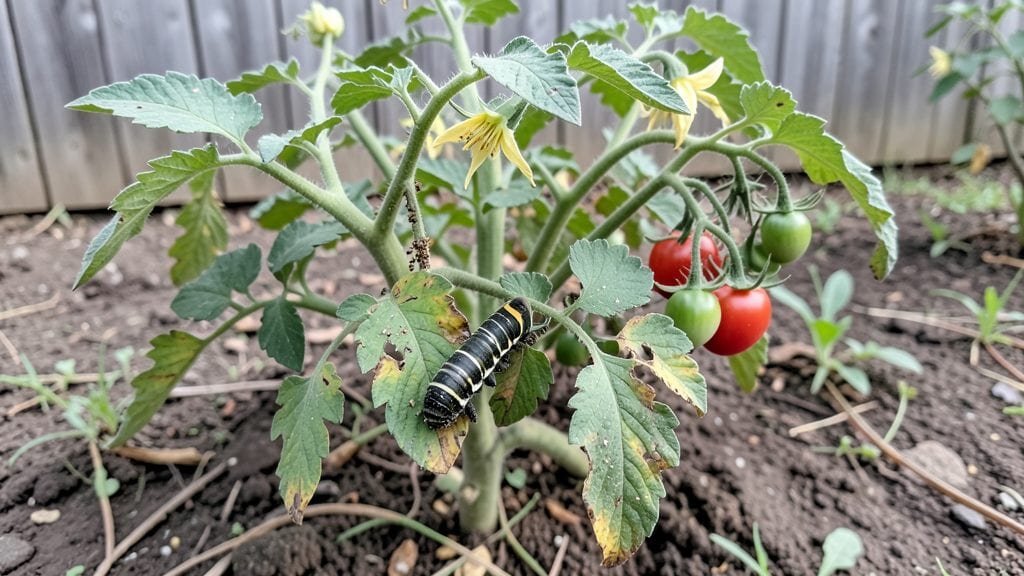
My garden tomato problems—black bottoms, cracked skin, and leaves that looked like they’d been through a war—weren’t just ugly; they were signs your plants were screaming for help, and the good news is most fixes take less than 10 minutes to address.
The culprits? Too little calcium, erratic watering, or sudden swings from drought to downpour. I’ve learned that preventing these issues is easier than scrambling to fix them after harvest.
A simple Epsom salt spray or crushed eggshells in the soil can stop rot before it starts, while mulch keeps moisture steady so fruit doesn’t split.
By the time your next tomato sets fruit, you’ll spot the warning signs early—yellowing leaves, uneven water absorption—and act before the damage shows. No more tossing half-rotten tomatoes or watching them burst open like overripe watermelons. These tricks work for heirlooms, cherry tomatoes, and everything in between.
Whether you’re dealing with a single plant or a full garden, the solutions scale easily. Let’s turn those sad-looking tomatoes into the juicy, blemish-free harvest you planted for.
Root Causes Of Tomato Troubles
Tomatoes are resilient, but even the hardiest plants can fall victim to common garden woes like blossom end rot and cracked skin. Understanding the why behind these issues is the first step to fixing them—because once you know the root cause, you can take targeted action.
Let’s break down the science behind these frustrating problems.
Blossom end rot appears as dark, sunken spots on the bottom of tomatoes (the blossom end) and is often mistaken for overwatering or disease. But the real culprit? A calcium deficiency—specifically, a failure to deliver enough calcium to the fruit’s growing cells.
Why Calcium Fails to Reach the Fruit
1. Uneven Watering Patterns 💦
Calcium moves through the plant via water, but if soil moisture fluctuates wildly (e.g., drought followed by heavy watering), roots can’t absorb calcium consistently. This creates a transport bottleneck, leaving young fruit starved of the mineral it needs to develop properly.- Science behind it: Calcium is immobile in plants—once absorbed by roots, it can’t be redistributed. If roots struggle to take it up due to dry spells, the tomato’s growing tip (where calcium is most needed) gets left behind.
2. High Soil Acidity or Salinity ⚗️
Soil pH below 6.0 or high salt levels (from fertilizers, compost, or poor drainage) block calcium uptake. Even if calcium is present in the soil, roots can’t access it because:
- Acidic soil (pH < 6.0) increases aluminum and manganese toxicity, competing with calcium for root absorption sites.
- Salty soil disrupts osmotic pressure, making it harder for roots to pull in water—and thus calcium—from the soil.
3. Rapid Growth Without Nutrient Balance 📈
Tomatoes that grow too fast (often due to excess nitrogen fertilizer) divert energy to leafy foliage instead of fruit development. The plant prioritizes vegetative growth over reproductive growth, leaving fruit vulnerable to calcium shortages.- Pro tip: A soil test can reveal pH and salinity issues. Aim for a pH of 6.2–6.8 for optimal calcium availability.
Those radial or concentric cracks running across tomato skin aren’t just cosmetic—they’re a sign of uneven water uptake during rapid growth. Unlike blossom end rot, cracked skin is rarely a nutrient issue; it’s purely about hydration timing.
Why Tomatoes Split Open
1. Inconsistent Soil Moisture 🌧️☀️
Tomatoes absorb water through their roots, but if the soil dries out and then gets suddenly soaked (e.g., after a drought or heavy rain), the fruit swells faster than the skin can stretch. This creates internal pressure cracks.- Science behind it: Tomato skin is made of cellulose fibers that can only stretch so much. When water rushes into the fruit too quickly, these fibers tear.
2. Overhead Watering or Rain 🌊
Watering leaves or fruit directly causes uneven absorption. The top of the tomato may dry out while the bottom stays wet, leading to asymmetrical swelling and cracks.3. Late-Season Water Stress 🍅⏳
As tomatoes mature, they pull water from the soil to ripen. If the plant experiences drought stress early in the season but then gets a sudden water surge (e.g., after irrigation or rain), the fruit can’t adjust fast enough, leading to splits.- Pro tip: Use drip irrigation or soaker hoses to deliver water directly to the roots, keeping soil moisture consistent (not soggy or bone-dry).
Next up: How to Prevent and Fix These Issues—without losing your sanity (or your harvest!).
Quick Fixes for Common Tomato Troubles
If your garden tomatoes are struggling with blossom end rot, cracked skin, or other issues, don’t panic—most problems have simple, effective solutions. Below, we’ll break down the fixes for each issue, along with tips to prevent them from happening again. Grab your gloves and let’s get growing!
This classic problem—where the blossom end of your tomato turns black and mushy—is usually caused by a calcium deficiency or inconsistent watering. Here’s how to save your tomatoes and keep future harvests healthy:
🔥 Immediate Fix: Revive Affected Fruit
- 🍳 Prune & Compost: Remove severely rotten tomatoes to prevent the spread of disease.
Add them to your compost pile (if the rot isn’t moldy). - 👨🍳 Calcium Boost: Spray a calcium-rich solution (like 1 tbsp of calcium chloride or crushed eggshells per gallon of water) on the leaves and soil around the plant.
Reapply every 7–10 days. - 🥘 Mulch Thickly: Apply a 2–3 inch layer of organic mulch (straw, grass clippings, or wood chips) to retain moisture and improve calcium uptake.
🌱 Prevention for Next Season
- 💡 Test Your Soil: Use a soil test kit to check calcium and pH levels. Aim for a pH of 6.0–6.8.
- 🌡️ Water Wisely: Keep soil consistently moist (but not soggy) with drip irrigation or soaker hoses.
Avoid overhead watering, which can leach calcium away. - ✨ Amend Soil: Mix in crushed eggshells, bone meal, or gypsum before planting to boost calcium naturally.
Those unsightly (but harmless) cracks in your tomatoes are usually caused by rapid moisture fluctuations—too much water followed by dry spells. Here’s how to manage them:
🔥 Immediate Fix: Save the Fruit
- 🍳 Harvest Early: Pick tomatoes as soon as they start cracking and let them ripen indoors.
The cracks won’t worsen, and the flavor stays great! - 👨🍳 Reduce Water Stress: If cracks appear mid-season, water deeply but less frequently to stabilize soil moisture. - 🥘 Prune for Airflow: Trim lower leaves to improve airflow and reduce humidity around the fruit, which can slow cracking.
🌱 Prevention Tips
- 💡 Mulch Heavily: A thick mulch layer helps retain moisture and keeps roots cool, reducing stress.
- 🌡️ Avoid Overwatering: Stick to 1–1.5 inches of water per week, adjusting for rain.
Use a moisture meter if needed. - ✨ Choose Crack-Resistant Varieties: Try ‘Mountain Merit,’ ‘Better Boy,’ or ‘Celebrity’—these varieties are less prone to cracking.
Not all tomato troubles are rot or cracks. Here’s how to tackle a few more:
🍅 Yellow Leaves (Nutrient Deficiency)
- 🔥 Fix: Feed plants with a balanced fertilizer (10-10-10) or compost tea. Yellow leaves on older growth? It’s likely nitrogen. Use fish emulsion or blood meal.
- 🌱 Prevent: Side-dress with compost every 4–6 weeks and avoid over-fertilizing.
🐛 Pests (Aphids, Hornworms, Whiteflies)
- 🔥 Fix: Spray with neem oil or insecticidal soap. Handpick hornworms (they’re easy to spot!). Introduce ladybugs or parasitic wasps for natural control.
- 🌱 Prevent: Use row covers early and rotate crops yearly to disrupt pest life cycles.
🌡️ Heat Stress (Sun Scald or Poor Pollination)
- 🔥 Fix: Provide afternoon shade with shade cloth (30–50%) during extreme heat. Hand-pollinate flowers by gently shaking plants in the morning.
- 🌱 Prevent: Plant heat-tolerant varieties like ‘Solar Fire’ or ‘Heatmaster.’ Mulch to keep roots cool.
With these fixes, your garden tomatoes should bounce back stronger than ever. Remember: consistent care is key—whether it’s watering, feeding, or pest control. Happy growing, and enjoy that homegrown harvest! 🍅✨
Frequently asked questions about garden tomato troubles
Why do my tomatoes develop black bottoms even when I water them regularly?
Black bottoms (blossom end rot) happen when calcium can't reach the fruit due to uneven watering or soil pH issues. Even with regular watering, sudden dry spells or soggy soil create calcium transport problems. Test your soil pH (ideal: 6.2-6.8) and add crushed eggshells or gypsum to boost calcium availability.
Can I still eat tomatoes with cracks or black spots?
Yes! Cracked tomatoes are safe to eat—they're just less visually appealing. For black spots (blossom end rot), cut off the affected area before eating. The rest of the tomato remains perfectly fine. Just focus on preventing these issues next season with consistent moisture and calcium supplements.
What's the fastest way to fix yellow leaves on my tomato plants?
Yellow leaves usually indicate nitrogen deficiency. For quick results, use a fish emulsion fertilizer (1 tbsp per gallon of water) and apply it directly to the soil. For prevention, side-dress with compost every 4-6 weeks and avoid over-fertilizing with nitrogen-heavy products.
How can I prevent tomato hornworms without using chemicals?
Handpick them in the morning when they're sluggish—just squish or drop them in soapy water. For prevention, introduce parasitic wasps (natural predators) or use row covers early in the season. Planting basil or marigolds nearby also deters hornworms naturally.
Will mulch really help with cracked tomatoes?
A 2-3 inch layer of organic mulch (straw or wood chips) keeps soil moisture consistent, preventing the rapid water fluctuations that cause cracking. It also helps regulate soil temperature, reducing stress on the plants. Apply mulch right after planting for best results.