Pests
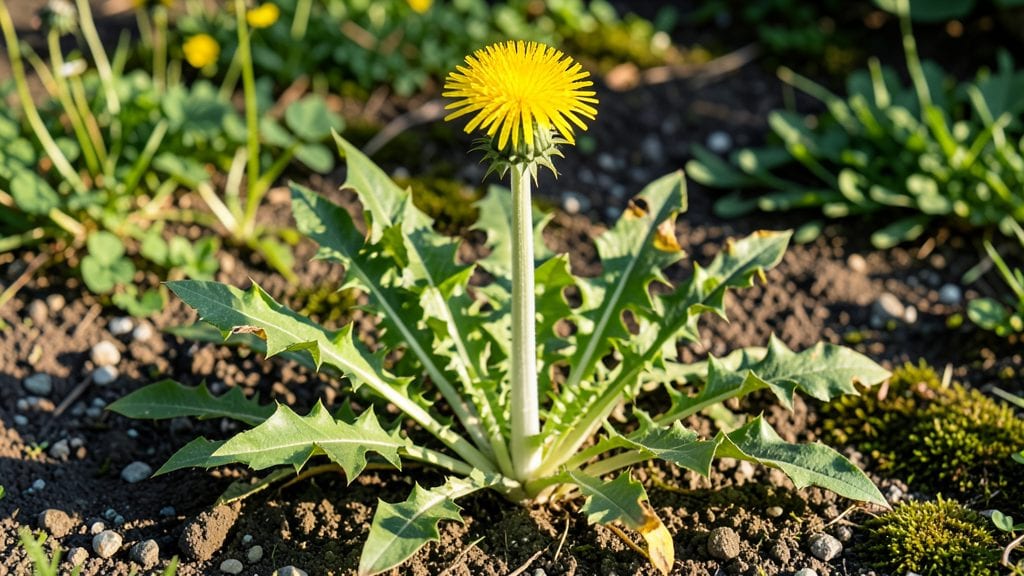
Removing garden weed leaves without wrecking your soil is easier than you think. 🌱 I’ve spent years yanking weeds only to watch new ones pop up—until I learned the humane tricks that actually work. The key is targeting the roots right while keeping your soil’s good bacteria alive.
Most weeds have distinct leaf shapes: dandelions are deeply lobed, crabgrass has a flat blade, and clover forms three-leaf clusters. Grab a small hand fork or your fingers to pull them early—before they seed. Mulch with straw or wood chips to smother regrowth without chemicals.
You’ll see fewer weeds within two weeks if you stay consistent. The soil stays healthy, your plants thrive, and you skip the guilt of harsh sprays. Plus, your garden will look shockingly neat without the backbreaking work.
Works for vegetable beds, flower gardens, and even cracks in the pavement. The method adapts to any season—just adjust how often you check for new sprouts. Let’s get that yard looking intentional!
Understanding Root Causes
Weeds thrive in gardens not by accident but because they’re opportunists—exploiting gaps in your landscape’s defenses. Below, we break down the scientific and environmental triggers that turn your garden into a weed buffet, so you can address the real issues, not just the symptoms.
Weeds dominate when they face minimal competition for resources.
Unlike cultivated plants, many weeds (like dandelions or crabgrass) grow aggressively from seed, sending up broad leaves that outcompete slower-growing flowers or vegetables for: - Sunlight: Tall weeds block light, shading desirable plants and stunting their growth. - Water: Deep-rooted weeds (e.g., bindweed) tap into moisture reserves, leaving your garden parched. - Nutrients: Weeds like chickweed release allelopathic chemicals that inhibit nearby plants’ nutrient uptake.
Why it happens: Soil with low organic matter or compacted layers struggles to support dense root systems of cultivated plants. Weeds, with their fast germination (some sprout in as little as 3 days), fill the void. Over-fertilizing with high nitrogen (like lawn fertilizer) also fuels weed growth while weakening slower-growing perennials.
Actionable fix:
- Mulch heavily (3–4 inches of straw or wood chips) to block light and retain moisture.
- Interplant densely—crowd out weeds with ground covers (e.g., clover, creeping thyme) or shade-tolerant plants.
- Test your soil: Aim for 1–3% organic matter to improve nutrient retention for your plants, not weeds.
Weeds love consistent moisture—more than most garden plants. Many (like purslane or plantain) are succulents, storing water in their leaves to survive droughts.
Meanwhile, overwatering creates the perfect conditions: - Shallow root zones: Frequent light watering encourages weeds with shallow roots (e.g., spurge) to germinate. - Soil erosion: Heavy watering washes away seed-inhibiting microbes, exposing buried weed seeds to sunlight. - Fungal boost: Damp soil promotes mycorrhizal fungi that some weeds (like nutsedge) rely on for rapid spread.
Why it happens: Most gardeners water too often, thinking plants need daily drinks. In reality, deep but infrequent watering (1–2 inches per week) trains desirable plants to develop deep roots—while leaving weeds high and dry (literally).
Actionable fix:
- Water deeply but less frequently (early morning is best to reduce evaporation).
- Use drip irrigation to target plant roots, not weed seeds.
- Avoid sprinklers—they create a misty environment that triggers fungal growth, favoring weeds like moss or algae.
Weeds hate stability. When soil is tilled, dug, or even walked on, it: - Stirs up dormant seeds: Many weeds (e.g., lambsquarters) lie dormant for years until exposed to light. - Disrupts microbial balance: Healthy soil has beneficial fungi and bacteria that suppress weed seeds.
Disturbing it removes this natural barrier. - Creates gaps: Bare patches (from dead plants or erosion) give weeds open real estate to colonize.
Why it happens:
- Over-tilling aerates the soil but also buries weed seeds deeper, where they germinate later.
- Heavy foot traffic compacts soil, preventing water infiltration and encouraging weed seeds to sprout.
- Sudden plant death (from disease or frost) leaves empty niches for weeds to fill.
Actionable fix:
- Minimize tilling: Use no-till gardening or smothering (cardboard + mulch) to preserve soil structure.
- Plant cover crops (e.g., winter rye) to protect soil when your garden is bare.
- Walk on paths only—avoid trampling garden beds.
Weeds are master propagators. A single dandelion can produce up to 200 seeds per flower, while some (like creeping charlie) spread via underground runners.
Here’s how they win: - Wind & animal dispersal: Seeds hitch rides on breezes or fur, landing in fertile soil. - Persistent seed banks: Weeds like cheatgrass can stay viable in soil for decades. - Rapid reproduction: Some weeds (e.g., pigweed) grow 1 inch per day in ideal conditions.
Why it happens:
- Lack of barriers: Fences or borders don’t stop lightweight seeds (e.g., thistle) from drifting in.
- Compost contamination: Even "homemade" compost can harbor weed seeds if not solarized (heated to 140°F+ for 4+ weeks).
- Neighbor’s lawn: Mowing spreads seeds—80% of lawn clippings contain weed seeds.
Actionable fix:
- Solarize bare soil in summer (cover with clear plastic for 4–6 weeks to kill seeds).
- Use seed-free mulch (e.g., cypress or cedar chips, which are weed-seed-free).
- Inspect new plants for hitchhiking weeds (e.g., check strawberry runners for oxalis).
Soil pH and nutrient levels directly impact weed dominance.
For example: - High pH (alkaline soil): Favors weeds like chickweed and ground ivy, which thrive in pH 7.0+. - Low pH (acidic soil): Encourages moss and nutsedge, which prefer pH 5.0–6.0. - Nutrient spikes: Too much phosphorus (from synthetic fertilizers) fuels broadleaf weeds like plantain.
Why it happens:
- Over-fertilizing: Lawn fertilizers (high in nitrogen) create lush conditions for weeds but starve out slower-growing perennials.
- Improper amendments: Adding lime to acidic soil or sulfur to alkaline soil without testing can shift pH dramatically.
- Synthetic chemicals: Herbicides can kill beneficial microbes, leaving soil vulnerable to weed invasion.
Actionable fix:
- Test soil pH (aim for 6.0–7.0 for most gardens) and amend gradually.
- Use organic matter (compost, worm castings) to buffer pH naturally.
- Avoid synthetic fertilizers—opt for slow-release organics (e.g., fish emulsion, bone meal).
Not all weeds thrive equally—temperature, humidity, and sunlight play a role:
- Cool-season weeds (e.g., chickweed, henbit) dominate in spring/fall.
- Warm-season weeds (e.g., crabgrass, spurge) take over in summer.
- Shady spots breed moisture-loving weeds like bindweed.
- Sunny, dry areas attract drought-resistant weeds like purslane.
Why it happens:
- Microclimates in your garden (e.g., a north-facing corner vs. a south slope) create ideal niches for specific weeds.
- Unpredictable weather: Heavy rains followed by drought stress desirable plants, making them easier targets for weeds.
Actionable fix:
- Map your garden’s microclimates and choose native plants that naturally suppress weeds in those zones.
- Adjust watering based on seasonal shifts (e.g., reduce frequency in summer).
- Plant shade-tolerant ground covers (e.g., ajuga, sweet woodruff) to outcompete weeds in low-light areas.
Humane Weed Leaf Removal Methods
Weeds may seem like a nuisance, but you don’t need harsh chemicals to reclaim your garden. Instead, try these effective, eco-friendly solutions tailored to common causes—whether it’s overgrowth, poor soil health, or seasonal regrowth.
Each method balances practicality with sustainability, so your garden stays lush and your conscience stays clear.
When weeds spread rapidly due to empty spaces or weak plant competition, physical removal is your best first line of defense.
🔥 Pull by Hand (Best for Small Patches)
- When to use: Early morning or after rain (soil is softer).
- How to do it:
- Wear gloves to protect your hands.
- Grasp the weed at the base—as close to the root as possible.
- Gently wiggle side to side to loosen the soil around the roots before pulling upward.
- Pro tip: Use a weed popper (a tool with a forked end) for stubborn roots—it leverages them out without bending.
🍳 Mulch Like a Pro (Prevents Regrowth)
- Why it works: A thick layer (2–4 inches) of organic mulch (straw, wood chips, or grass clippings) blocks sunlight, starving weed seeds.
- How to apply:
- Spread mulch evenly around plants, leaving a 1-inch gap near stems to avoid rot.
- Refresh every few months or after heavy rain.
- ✨ Bonus: Mulch also retains moisture and improves soil over time!
👨🍳 Solarize Soil (For Heavy Infestations)
- Best for: Large bare areas or before replanting.
- How it works: The sun’s heat cooks weed seeds and roots.
- Steps: 1. Clear debris from the area.
- Water the soil deeply to saturate it.
- Cover with clear plastic sheeting (secured with rocks or stakes) for 4–6 weeks in hot weather.
- Remove plastic, till the soil, and replant.
Weedy soil often lacks nutrients or beneficial microbes. Improve the soil, and your plants will naturally outcompete weeds.
💡 Add Compost or Organic Matter
- Why? Healthy soil = stronger plants that shade out weeds.
- How:
- Mix 2–3 inches of compost into the top 6 inches of soil.
- Use cover crops (like clover or vetch) in off-seasons to prevent bare soil.
🎯 Use Vinegar Spray (Spot Treatment Only)
- Caution: Only use on young weeds and avoid spraying desirable plants (vinegar burns foliage).
- Recipe:
- 1 gallon of white vinegar (5% acetic acid)
- 1 cup salt (optional, boosts effectiveness)
- 1 tbsp dish soap (helps it stick)
- Application:
- Spray directly on leaves on a sunny day (heat enhances the burn).
- Reapply every 2–3 days until weeds die.
🥗 Introduce Beneficial Microbes
- Solution: Apply mycorrhizal fungi or compost tea to improve soil structure and suppress weeds naturally.
- Where to buy: Garden centers or online (look for OMRI-listed products).
Weeds return because seeds lie dormant in the soil. Break the cycle with these strategies.
🔪 Pre-Emergent Barriers (Chemical-Free)
- Options:
- Landscape fabric under mulch (allows water through but blocks light).
- Cardboard or newspaper (decomposes over time, adding organic matter).
- How to install: 1.
Lay down 2–3 layers of cardboard/newspaper (no glossy ink). 2. Wet it thoroughly to prevent blowing away. 3. Top with 2+ inches of mulch.
⏰ Plant Strategically (The "Green Mulch" Trick)
- Fast-growing plants like clover, creeping thyme, or microgreens create a living barrier that smothers weeds.
- Example: Plant living mulch between rows of vegetables.
🌡️ Hot Water Treatment (For Sidewalks & Cracks)
- Best for: Weeds in driveways, patios, or between pavers.
- How:
- Boil water and pour directly on weed leaves (avoid desirable plants).
- Repeat 2–3 times for stubborn weeds.
- 🌱 Pull weeds before they seed—one dandelion can produce 15,000 seeds/year!
- 🕒 Consistency is key: Dedicate 10–15 minutes weekly to weeding before they take over.
- 🌿 Save "weed" seeds for compost—they’ll break down and fertilize your soil.
- 🚫 Avoid tilling: It buries weed seeds deeper, causing more weeds later.
By combining manual removal, soil enrichment, and smart prevention, you’ll keep your garden weed-free without harming the earth. Start with one or two methods, observe what works best in your space, and adjust as needed. Happy gardening! 🌿✨
Frequently asked questions about managing garden weed leaves
How can I tell if a leaf in my garden is a weed or a beneficial plant?
Check the leaf shape and growth pattern: dandelions have deeply lobed leaves with milky sap, crabgrass has flat, grass-like blades, while clover forms three-leaf clusters. Weeds often grow in dense patches, while desirable plants usually have more orderly spacing. When in doubt, research local native plants—many have distinct leaf structures.
What’s the best time of day to pull garden weed leaves?
Early morning or late afternoon works best when soil is moist but not saturated. This makes weeds easier to remove by hand, especially after rain. Avoid midday heat, which can stress your plants and make weeding less effective.
Can I reuse pulled weed leaves in my garden?
Yes! Add them to your compost pile (except for weeds like bindweed or nutsedge that spread aggressively). Their nutrients will enrich your soil over time. Just avoid composting weeds that have gone to seed—this prevents spreading more unwanted plants.
Why do some weeds keep coming back even after I remove them?
Many weeds have deep root systems or spread via underground runners (like creeping charlie). They may also regrow from seed banks in your soil. Use mulch or solarization to prevent regrowth, and always pull weeds before they seed.
Are there any natural weed killers that work on garden weed leaves?
Yes! A homemade vinegar spray (1 gallon white vinegar + 1 cup salt + 1 tbsp dish soap) works for spot treatment on young weeds. Just apply on sunny days and avoid spraying desirable plants. For larger areas, try boiling water or a thick layer of mulch to smother regrowth.