
Advice
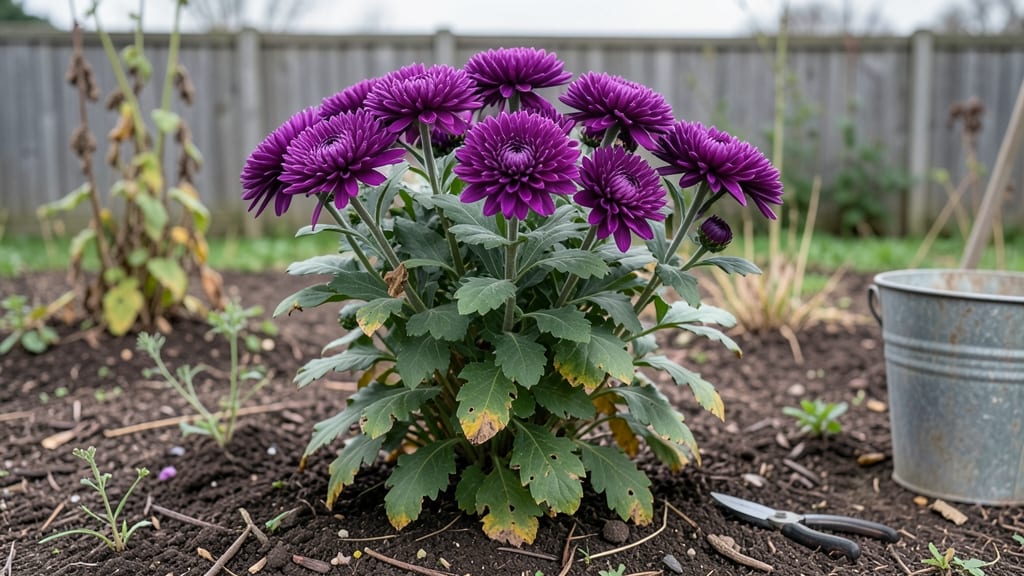
Gardening in September isn't about winding down—it's about setting the stage for next year's harvest while enjoying late-season rewards. ✨ The first time we saw garlic cloves push through cold soil in spring, we realized how much September prep matters.
This is when hardy crops like kale and spinach thrive in cooler weather, while garlic and onions get planted for a summer harvest you'll actually remember.
You'll need a few simple tools: a trowel for planting, mulch to protect soil, and maybe some row covers for tender greens. The key is working with your climate—Northern gardeners focus on cold-hardy crops, while Southerners might still squeeze in warm-season plants.
We check soil moisture with a finger before watering, and always keep our garden journal handy to track what worked (and what didn't).
By month's end, you'll have a garden that looks tidy but is secretly busy—roots establishing, seeds germinating underground, and pests like slugs kept at bay. The air smells like crisp mornings and damp earth, and the satisfaction of knowing next summer's tomatoes started now is unmatched.
Let's make your September count!
Whether you're prepping raised beds, container gardens, or just a backyard corner, these tasks adapt easily. The real magic happens when you treat September like the power month it is—not an afterthought. Here's how to make the most of it before the first frost arrives.
📚 In This Guide
- What you need
- Instructions
- Tips and common mistakes
- Wrapping up and next steps
What you need
- ● Garden soil or compost: 2–3 cubic yards (or enough to amend 6–12 inches of existing soil per 100 sq ft). Look for well-draining, organic-rich mixes with a pH of 6.0–7.0.
- ● Seeds: Choose cool-season varieties like kale, spinach, carrots, or garlic (check your USDA hardiness zone for specifics). Aim for 1–2 lbs of seed per 100 sq ft.
- ● Fertilizer: Balanced (10-10-10) or slow-release: 1–2 lbs per 100 sq ft.
- ● Organic options: Composted manure (5 lbs per 100 sq ft) or worm castings (1–2 lbs per 100 sq ft).
- ● Mulch: 2–3 inches of straw, shredded leaves, or wood chips to retain moisture and suppress weeds.
- ● Hand trowel or transplanting spade (for precision planting).
- ● Garden rake (to level soil and remove debris).
- ● Hoe or cultivator (for loosening soil and weeding).
- ● Watering can or hose with a gentle spray nozzle (avoid heavy water pressure).
- ● Garden gloves (to protect your hands from thorns or rough soil).
- ● Row covers or frost blankets (to protect tender seedlings from unexpected chilly nights).
- ● Seedling trays and grow lights (if starting plants indoors for an early spring head start).
- ● Soil pH test kit (to ensure your soil is optimal for your crops).
- ● Compost bin or vermicompost system (to recycle yard waste into nutrient-rich soil).
Step-by-Step guide for September planting success
September is the perfect time to set up your garden for a bountiful harvest next year.
🌱 Step 1: Prepare the Soil for Fall Planting
Start by removing any dead plants or weeds from your garden beds. Use a garden fork or tiller to loosen the soil to a depth of 12 inches. This helps roots establish deeper before winter. Work in 2-3 inches of compost or well-rotted manure to enrich the soil naturally. I like to spread it evenly and then lightly rake it in so it blends with the existing soil.
If your soil feels compacted or heavy, mix in sand or perlite to improve drainage. The goal is loose, crumbly soil that holds moisture but doesn’t stay soggy. Test the soil’s moisture by squeezing a handful—it should hold together but not feel wet. This ensures your fall crops won’t rot over winter.
⏰ Step 2: Choose the Right Plants for Late-Season Growth
Focus on cool-season crops like spinach, kale, carrots, and radishes—they thrive in September’s milder temperatures. Avoid planting heat-loving veggies like tomatoes or peppers now; they won’t have enough time to mature before frost. I always check the back of seed packets for "days to maturity" to pick varieties that will harvest before winter sets in.
For perennials like asparagus or rhubarb, plant crowns now so they establish roots before the ground freezes. These plants need time to grow strong root systems, and September’s cooler weather is ideal. Space them according to the packet instructions—crowding now means weaker plants next year.
💧 Step 3: Plant and Mulch for Winter Protection
Dig holes slightly larger than the root ball of your transplants and place them in so the top of the root ball sits ½ inch below soil level. This helps prevent heaving when the ground freezes and thaws. Gently firm the soil around the roots and water deeply to settle everything in place.
After planting, spread 2-3 inches of mulch (like straw or shredded leaves) around the base of each plant. This keeps soil temperatures stable and retains moisture. Avoid piling mulch against stems—leave a 1-inch gap to prevent rot. I always check mulch levels after rain to ensure it’s still providing coverage.
☀️ Step 4: Adjust Watering for Fall Conditions
September’s cooler air means plants need less water, but roots still need consistent moisture. Water deeply 2-3 times per week unless rain provides 1 inch or more. Use a rain gauge or tuna can to measure—you’ll know it’s enough when water drains 6 inches deep into the soil.
Water in the early morning to reduce evaporation and fungal risks. Avoid overhead watering late in the day, as damp leaves can lead to mildew. If frost threatens, give plants a final deep watering before temperatures drop—hydrated roots handle cold better than dry ones.
✂️ Step 5: Plan for Spring with Protective Measures
Before the first frost, mark your garden beds with stakes or flags to remember where plants are located. This saves time next spring when you’re ready to replant. I also sketch a quick map in a notebook to track which areas produced well.
For tender perennials, wrap their bases with burlap or frost cloth to shield them from light freezes. This extra layer can mean the difference between survival and damage. If you’re planting garlic or onions for spring harvest, cover them with straw or leaves once temperatures drop below 40°F—this keeps them dormant but protected.
Tips & tricks for perfect late-season planting
September's mild weather gives you a golden opportunity to set your garden up for success next year—here's how to make the most of it.
The Soil Depth Secret: When loosening soil to that 12-inch depth in Step 1, think of it like preparing a cozy bed for your plants. Use a garden fork to break up compacted layers without turning the soil completely—this preserves soil structure while allowing roots to penetrate deeply. I've found that adding a layer of coarse sand or perlite at the bottom helps with drainage, especially in heavier clay soils. This prevents waterlogging that can rot fall crops.
Plant Selection Insight: Those cool-season crops like spinach and kale in Step 2 need varieties with shorter "days to maturity" to harvest before frost. Check seed packets for varieties labeled "early" or "fast-maturing"—these typically take 45-60 days rather than 70+. For perennials like asparagus, I always choose crowns with multiple buds rather than single ones—they establish faster and give you a head start next spring.
Mulching Mastery: The 2-3 inches of mulch you add in Step 3 isn't just for insulation—it's a moisture reservoir. Straw works best because it breaks down slowly, while shredded leaves can mat down too quickly. Here's my pro tip: Fluff the mulch after heavy rains to prevent compaction, which can create anaerobic pockets that smell bad and harm roots. That 1-inch gap from stems is crucial—it prevents rot while still protecting roots.
Frost Protection Strategy: When temperatures drop below 40°F in Step 5, your garlic and onions need that protective layer of straw or leaves. I've learned this the hard way—last year's uncovered garlic sprouted too early and got fried by a late frost. For extra protection, add a layer of bubble wrap around individual plants before the mulch. It's like giving them a tiny greenhouse without the hassle of building one!
Pro Tips for Gardening In September
- September's mild weather gives you a golden opportunity to set your garden up for success next year—here's how to make the most of it.
- The Soil Depth Secret: When loosening soil to that 12-inch depth in Step 1, think of it like preparing a cozy bed for your plants.
- Plant Selection Insight: Those cool-season crops like spinach and kale in Step 2 need varieties with shorter "days to maturity" to harvest before frost.
Frequently asked questions
Got questions about tackling your September garden? You’re not alone—this is a busy month for gardeners! Below, we’ve rounded up the most common queries to help you plan like a pro.
Can I still plant vegetables in September?
September is perfect for cool-season crops like kale, spinach, carrots, and broccoli. These thrive in milder temperatures and can even overwinter in many climates. Just check your USDA hardiness zone—some areas can squeeze in late tomatoes or peppers with row covers.
What’s the best way to extend the growing season?
Use season extenders like cold frames, row covers, or low tunnels to shield plants from frost. For containers, bring them indoors during cold snaps or group pots together to trap heat. Pro tip: Plant fast-maturing varieties (like radishes or lettuce) for quick harvests before winter sets in!
Should I fertilize my garden in September?
Lightly fertilize established perennials, lawns, and fall-blooming plants (like asters or mums) with a balanced, slow-release fertilizer. Avoid heavy feeding on summer veggies—focus on compost or organic matter to prep soil for next year. Over-fertilizing now can encourage late-season growth vulnerable to frost.
How do I protect my garden from pests in late summer?
Pests like squash bugs and aphids are still active! Handpick pests early in the morning, use neem oil or insecticidal soap, or introduce beneficial insects (like ladybugs). Pro tip: Mulch heavily to deter crawling pests and retain moisture—just avoid organic mulch if slugs are a problem!
What if my area gets an early frost?
Don’t panic! Cover tender plants with frost blankets or old sheets secured with bricks. For containers, move them to a sheltered spot (like a garage or under an eave). Pro tip: Harvest leafy greens (like Swiss chard) before frost—they’ll sweeten up in cold weather!
Wrapping up and next steps
September is your golden opportunity to set the stage for a bountiful harvest next year—whether you're sowing cool-season crops, prepping soil, or protecting tender plants. With the right techniques and a little planning, you’ll thrive even as the seasons shift. 🌱
Ready to take action? Start by reviewing your tools and sketching a quick garden map. Then, dive into planting or maintenance—your future self (and taste buds!) will thank you.
Happy gardening!