Shrubs
Understanding Florida's gardening zones (8a to 11) helps you select plants that thrive in your specific climate, from frost-sensitive coastal varieties to hardier inland species. The USDA Plant Hardiness Zone Map is your best tool for determining these zones, with coastal areas typically falling into zones 10-11 and northern Florida reaching as low as 8a.
Florida’s gardening zones reflect its unique climate extremes—think hurricane-prone coastlines and cooler inland valleys. The 10-11 zones along the coast mean year-round growing potential, while 8a zones in the Panhandle face occasional light frosts.
Microclimates play a huge role: even within a single county, elevation or proximity to water can shift your zone by a letter. For example, citrus thrives in zones 9-11 but may struggle in 8a without winter protection. 🌿
To make the most of your zone, focus on native plants like coontie palms (zone 8-11) or muhly grass (zone 7-11), which naturally handle Florida’s heat and humidity. The USDA map provides a starting point, but local nurseries often offer even more tailored advice—especially for container gardening in marginal zones.
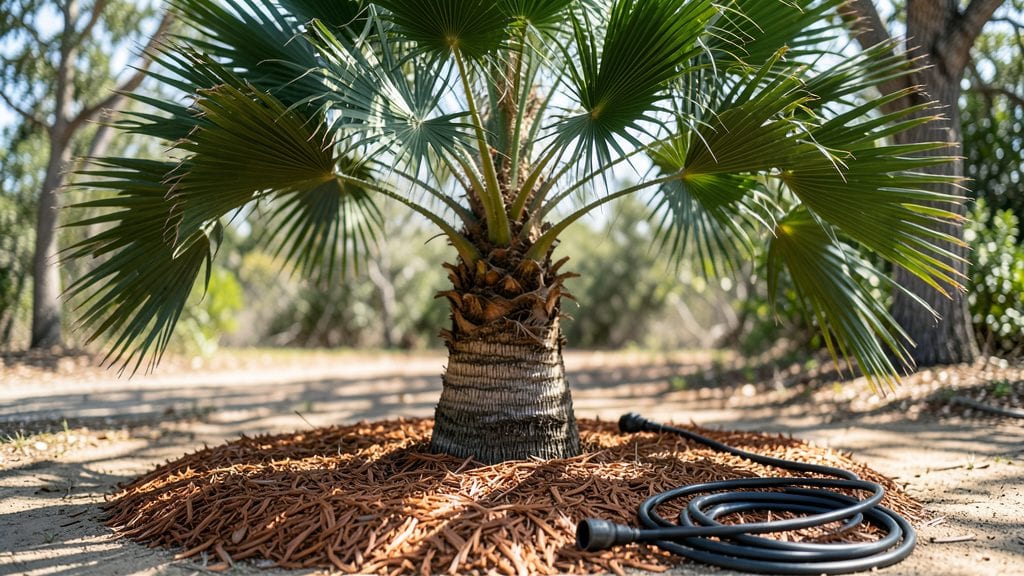
Pro tip: Use mulch in cooler zones to extend the growing season and protect tender plants.
💡 In This Article
- How Florida’s Unique Climate Affects Plant Hardiness Zones
- Best Plants for Each Florida Gardening Zone
How Florida’s unique climate affects plant hardiness zones
Florida’s climate operates on a completely different scale than most of the continental U.S. because it’s dominated by subtropical and tropical influences. The state’s proximity to the Gulf Stream creates a moderating effect that keeps coastal areas in zones 10a-11, where average annual minimum temperatures hover between 30-40°F.
This warm maritime climate allows plants like coconut palms and hibiscus to thrive year-round without protection. Meanwhile, inland areas experience more continental-like temperature swings, dropping into zone 8a where winter lows can reach 10-15°F—cold enough to damage tender tropical species.
The key difference lies in Florida’s humidity levels, which average 70-80% year-round compared to 40-60% in most mainland U.S. states. This persistent moisture creates challenges like fungal diseases and root rot, forcing gardeners to select plants with natural resistance.
For example, coontie palms (zone 8-11) handle this humidity better than many tropical imports. Hurricane exposure also plays a role—coastal zones 10-11 must account for 74 mph+ winds, while inland zones face less wind but more temperature extremes.
What most people don’t realize is how microclimates can shift zones by a letter within just a few miles. A 100-foot elevation gain in the Florida Keys can drop temperatures 5°F colder, creating a 10a zone where the coast might be 11.
Similarly, urban heat islands in cities like Orlando push temperatures 2-3°F warmer than rural areas. This is why the USDA’s 10a vs. 10b distinction matters—it represents a 5°F difference in average winter lows (35-40°F vs. 40-45°F), which can mean the difference between a mango tree surviving or dying.
Florida’s frost-free periods also vary dramatically: Miami enjoys 365 frost-free days, while Tallahassee averages only 240 days. This affects plant selection—tropical species like banana plants can be grown year-round in zone 11 but require container culture in zone 10a to move indoors during rare cold snaps.
The science behind this involves chilling requirements: many temperate plants need 100-1,000 hours below 45°F to flower, which simply doesn’t occur in Florida’s warmer zones.
Another critical factor is soil temperature. In zone 8a, spring soil temperatures may linger below 60°F for weeks, delaying planting. Meanwhile, zone 11 soils stay above 70°F year-round, allowing continuous growth.
This is why Florida’s gardening calendar looks different from other states—cool-season crops like broccoli can be planted in November in zone 8a but must be grown as a winter crop in zone 10b to avoid bolting in summer heat.
For gardeners, understanding these nuances means selecting plants that match not just the zone letter but also the local climate variations.
Native species like sabal palms (zone 7-11) or muhly grass (zone 7-11) offer built-in resilience, while tropical imports may need microclimate protection like shade cloth or windbreaks. The bottom line?
Florida’s zones aren’t just about cold tolerance—they’re about navigating a complex interplay of heat, humidity, wind, and soil conditions that most gardeners never encounter elsewhere. 🌴