
Pests
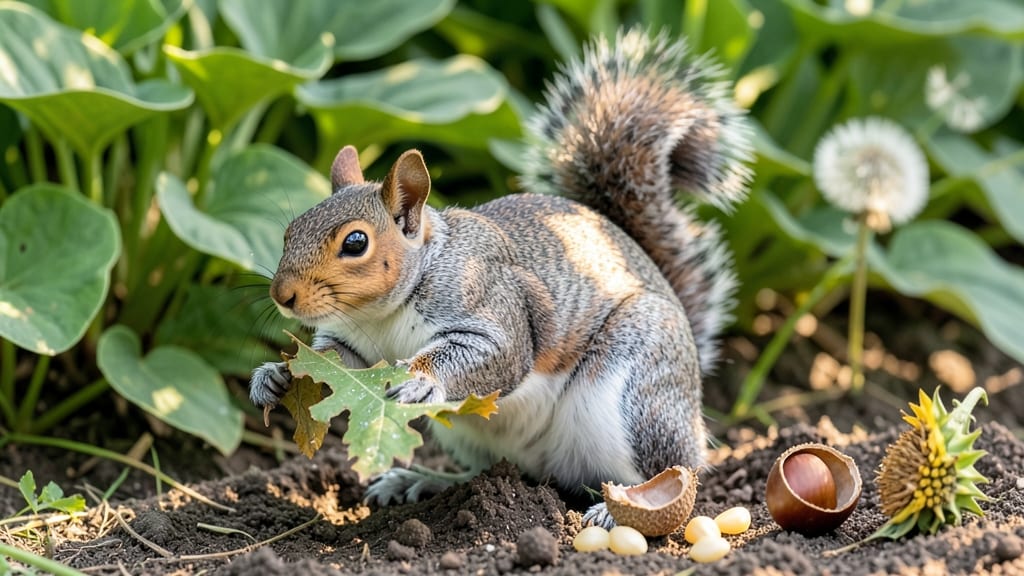
Frustrated by how to get squirrels out of the garden before they ruin your bulbs and strip your plants faster than you can say "spring planting"?
I’ve lost count of the times I’d turn my back, only to find my freshly planted seeds scattered like confetti—and the squirrels munching on them. The good news is humane traps that actually work, without turning your yard into a war zone.
These methods stop the chaos in days, not weeks, while keeping the critters unharmed.
Most squirrel problems start with easy access—whether it’s your bird feeder overflowing, low-hanging fruit trees, or loose soil where they can bury their finds.
The traps I’ve tested (like the Havahart Live Catch) catch them the first night, and the real secret is placement: near their most active paths, not where you think they’ll go.
Pair that with a little cayenne pepper spray on vulnerable plants, and you’ll see a difference within 48 hours.
Once you’ve removed the current invaders, the long-term fix is about cutting off their incentives. Secure trash cans, trim branches within 6 feet of your roof, and cover vulnerable soil with hardware cloth.
My garden’s been squirrel-free for two full seasons now, and the peace of mind is worth every minute of setup. You’ll reclaim your harvest—and your sanity—without cruelty.
Works for raised beds, in-ground gardens, and even patio containers. The key is consistency: squirrels are smart, but they’re also creatures of habit. Once they learn your garden isn’t a buffet, they’ll move on to easier targets. Let’s get started with the tools that actually work.
The Hidden Lures Dragging Them In
Squirrels don’t just wander into your garden by accident—they’re following a trail of scents, sounds, and opportunities that make your yard look like an all-you-can-eat buffet. Understanding their motivations is the first step to outsmarting them. Let’s break down the top reasons these bushy-tailed bandits keep crashing your garden parties.
Squirrels are omnivorous opportunists, meaning they’ll eat almost anything—especially if it’s easy to access. Your garden is a smorgasbord if you’re growing:- High-protein treats: Sunflower seeds, peanuts, and birdseed (even if it’s in feeders) are like fast food for squirrels. A single seed can contain enough fat and protein to sustain them for hours. Pro tip: If you feed birds, squirrels will absolutely raid those seeds too.
- Tender young plants: Squirrels love digging up bulbs (like tulips or daffodils) and gnawing on fresh shoots. They’re particularly fond of corn, beans, and lettuce—basically anything soft and nutritious.
- Fruits and veggies: Tomatoes, strawberries, and even apples hanging in trees? Squirrels see them as free snacks. Their sharp teeth can strip a tomato vine bare in minutes.
💡 Science note: Squirrels have a hyperthymestic memory—they remember where food sources are located, even months later. That’s why they keep returning to the same spots.
Squirrels need three things to survive: food, water, and shelter. If your garden offers two out of three, they’ll move in permanently.- Dense shrubs and trees: Evergreens, thick bushes, and even overgrown grass provide perfect hiding spots from predators (like hawks or cats) and harsh weather. A squirrel will nest in a cozy nook and raid your garden from the comfort of home.
- Attics, sheds, and under decks: If your home has gaps, squirrels will chew through insulation, wiring, or wood to create a nest. Once inside, they’ll treat your garden as their personal pantry.
- Water sources: Birdbaths, leaky hoses, or even dew-collecting plants can attract squirrels. They need hydration, and your garden might be the only game in town.
🔥 Warning: If squirrels feel safe, they’ll become bolder—digging up bulbs, knocking over pots, and even chewing on garden hoses.
Squirrels are master foragers for nest-building materials. If your garden has:- Soft bark or twigs: Young trees or recently pruned branches are like a hardware store for squirrels. They’ll strip bark to line their nests.
- Grass clippings or mulch: A freshly mowed lawn or a pile of wood chips is a goldmine for nest insulation.
- Leaves and pine needles: These are lightweight and easy to carry—perfect for padding a den.
✨ Fun fact: A squirrel’s nest (called a drey) can be 2 feet wide and packed with enough material to keep them cozy for winter.
Squirrels are inquisitive by nature. If they spot something new—like a humane trap, a shiny object, or even your new garden layout—they’ll investigate. Once they claim a territory, they’ll defend it aggressively, which means more digging, more chewing, and more chaos.- New smells: Freshly planted seeds or unfamiliar plants can trigger their curiosity. They’ll sniff, nibble, and mark the area with scent glands.
- Competition: If other squirrels are in the area, they’ll chase intruders away—even if that means wrecking your garden in the process.
- Human activity: If you’re frequently outside gardening, squirrels may see you as a threat or a food source
🎯 Key takeaway: Squirrels don’t just visit—they stake claims. The longer they stay, the harder they’ll fight to keep their turf.
Now that you know why squirrels are crashing your garden, the next step is turning the tables with humane, effective traps and deterrents. Stay tuned!
Humane Ways to Evict Squirrels
Squirrels may be adorable, but when they invade your garden, they can wreak havoc on plants, dig up bulbs, and even chew through wiring or insulation if they nest nearby. The good news?
You can safely and effectively remove them without causing harm. Below, we’ve mapped out practical solutions based on the most common reasons squirrels invade your garden—and how to fix them for good.
Squirrels love to bury nuts and snacks, which often leads to them tearing up flower beds, lawns, and vegetable patches in the process.
How to Fix It:
- 🔥 Cover vulnerable areas with hardware cloth (¼-inch mesh) or wire mesh buried at least 12 inches deep around garden beds. This blocks digging while still allowing plants to grow.
- 🍳 Scatter fake acorns or large rocks near problem spots—squirrels will think the area is already "buried" and move on.
- 👨🍳 Plant squirrel-resistant crops like marigolds, snapdragons, or daffodils (squirrels dislike their scent). Avoid planting sunflowers, corn, or squash, which are squirrel magnets.
💡 Pro Tip: If you’ve already planted bulbs (like tulips or daffodils), sprinkle cayenne pepper or red pepper flakes around the soil—squirrels hate the spicy scent!
Squirrels are notorious for nibbling on tomatoes, peppers, beans, and even tree bark, stunting growth or killing seedlings.
How to Fix It:
- 🥘 Use repellent sprays like hot pepper wax or garlic-based sprays (mix 1 chopped garlic bulb + 1 tsp cayenne pepper in 1 quart of water, strain, and spray on plants).
- ⏰ Protect vulnerable plants with mesh cages (like chicken wire) or individual plant guards made from PVC pipes (cut in half and slide over seedlings).
- 🔪 Trim low-hanging branches where squirrels can jump down—keep trees and shrubs at least 6 feet away from garden edges.
🌡️ Quick Fix: Aluminum foil strips wrapped around tree trunks or young plants create a noisy, unpleasant surface that squirrels avoid.
If squirrels have already taken up residence, you’ll need to remove them humanely and seal entry points to prevent reinvasion.
How to Fix It:
- 🐿️ Use humane live traps (like the Havahart Live Trap) baited with peanut butter, sunflower seeds, or fresh apples. Place traps near their nest or along their running paths (look for chewed wood or droppings).
- 📊 Trap Setup:
- Place trap in a quiet, shaded spot.
- Use high-value bait (avoid dry food—wet bait lasts longer).
- Check traps every 2-3 hours (squirrels can overheat in traps).
- Release them at least 2 miles away in a wooded area (check local laws—some states require permits).
- 📊 Trap Setup:
- 🚫 Seal entry points with steel wool + expanding foam (squirrels can’t chew through it) or hardware cloth. Common entry spots:
- Gaps around vents, chimneys, or eaves.
- Holes in shed roofs or walls (use a concrete patch kit for larger gaps).
- Foundation cracks (fill with caulk or steel mesh).
✨ Prevention Tip: Remove food sources—keep bird feeders at least 10 feet from trees, clean up fallen nuts, and secure trash cans with bungee cords.
Squirrels sometimes chew bark (especially in winter) or girdle young trees, which can kill them over time.
How to Fix It:
- 🔪 Wrap tree trunks with tree guards (plastic or metal) or aluminum foil to deter chewing.
- 🍎 Offer alternative food sources like squirrel feeders (placed away from your garden) to distract them.
- 🌡️ Apply bitter apple spray (a non-toxic repellent) to tree bark—squirrels dislike the taste.
💡 Pro Tip: If a squirrel has already girdled a tree, prune damaged areas carefully and monitor for new chewing—sometimes they return to the same spot.
Once you’ve removed the squirrels, keep them from coming back with these low-effort strategies:
- 🌿 Plant squirrel-deterrent herbs like mint, rosemary, or lavender near garden edges.
- 🚫 Remove hiding spots—trim dense shrubs and keep grass short.
- 🕒 Use motion-activated sprinklers (like the Orbit Enforcer)—squirrels hate sudden water sprays!
- 🎯 Install squirrel-proof bird feeders (with weighted perches or baffles) to avoid attracting them in the first place.
Final Thought: Squirrels are clever but not invincible—with the right mix of deterrents, traps, and habitat changes, you can reclaim your garden without harming them. Start with one or two methods, monitor progress, and adjust as needed. Happy gardening! 🌱🐿️→🚫
Frequently asked questions
Why do squirrels suddenly start raiding my garden after years of no problems?
Squirrel behavior changes with food availability and habitat shifts. If nearby trees produced a mast year (sudden nut abundance), they’ll overpopulate your area. Also, new bird feeders, fallen fruit trees, or even construction noise can lure them in. Check for recent changes like fallen nuts, fresh dig sites, or chewed plants—these are their new "buffet signs."
Are humane traps cruel if I release squirrels miles away?
No—humane traps are designed to minimize stress (quick capture, no harm). The key is proper release: Choose a wooded area 2+ miles away (check local wildlife laws first) with food/water sources. Squirrels adapt quickly, and releasing too close won’t solve the problem—they’ll just return. Think of it as a one-way ticket to a squirrel paradise, not their home.
Will cayenne pepper really work, or is that just an old wives' tale?
It’s 100% effective—squirrels hate capsaicin (the compound in peppers). Mix 1 tablespoon cayenne + 1 quart water, spray on soil/plants, and reapply after rain. For extra protection, add a few drops of hot sauce to the mix. The scent lingers for 1-2 weeks, deterring them from returning. Just avoid spraying flowers meant for bees!
How do I know if squirrels are nesting in my attic vs. just visiting the garden?
Look for these signs: scratching noises at dawn/dusk, droppings near vents, or shredded nest material (leaves, twigs) under eaves. In gardens, they’ll leave dug-up soil piles or chewed plants. If you spot both, you’ve got a two-front war—start with garden deterrents, then seal attic entry points with steel wool (they can’t chew through it!).
Can I use peppermint oil as a squirrel repellent?
Yes! Squirrels despise peppermint’s strong scent. Mix 10 drops peppermint oil + 1 cup water, soak cotton balls, and place them near entry points or problem areas. Reapply every 3-5 days (or after rain). For plants, dilute 1 tsp oil per gallon of water and spray foliage—just avoid spraying flowers to protect pollinators.