
Flowers
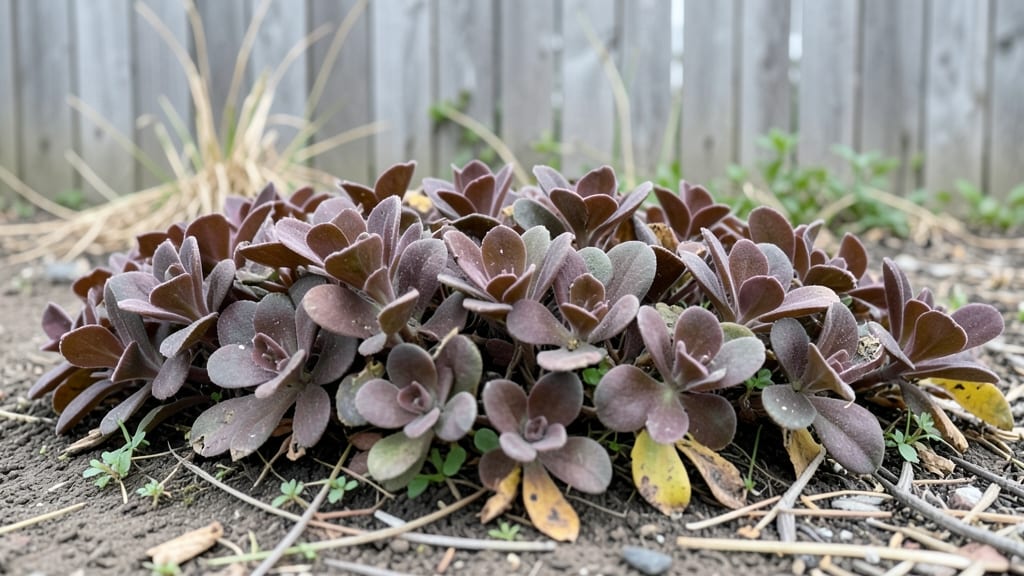
Solid ground gardens aren't just about durability—they're about creating spaces that stay vibrant, functional, and beautiful no matter what the season throws at them. 🌿 I designed my first one after watching years of mulch wash away and plants struggle on a sloped yard, and now it handles foot traffic, rain, and even kids' muddy boots without a single complaint.
The key? Combining the right materials—think gravel, pavers, or sturdy retaining walls—with plants that thrive under pressure, like creeping thyme, ornamental grasses, and tough ground covers.
This approach works for pathways, raised beds, or even hillside terraces where erosion is a real threat. You won’t need to replant every spring or battle weeds all summer—once the foundation is set, the garden practically takes care of itself.
My own design uses a mix of natural stone and drought-resistant perennials that bloom from early spring through frost, with zero extra effort. The result? A space that looks intentional, not like it’s constantly fighting to survive.
What you’ll get is a garden that stays lush and colorful year-round, even in high-traffic areas where most plants would give up. The plants I chose—like sedum, lamb’s ear, and Russian sage—hold their shape through heat waves and still look fresh after a hard rain.
And because the layout is built to last, you’ll spend less time fixing problems and more time enjoying the view. Whether you’re tackling a steep slope or just want a low-maintenance border, this method delivers.
Best of all, it scales to any size—from a small urban patio to a sprawling backyard. The principles stay the same: sturdy materials, smart plant choices, and a design that works with nature instead of against it.
Ready to build a garden that stands the test of time? Let’s get started with the foundation.
Root Causes Of Plant Struggles
Even the hardiest plants in solid ground gardens can face challenges, leaving gardeners scratching their heads over why their greenery isn’t thriving. Understanding the science behind these issues helps you address them with precision.
Below, we break down the most common culprits—from soil secrets to seasonal surprises—and why they derail your garden’s success.
Plants are only as strong as the soil they grow in, and if your garden’s foundation is lacking, roots suffer. Compacted, nutrient-poor, or improperly drained soil stifles growth by restricting oxygen flow and water absorption. Here’s the science:
- Compacted Soil: Heavy foot traffic, machinery, or clay-heavy dirt crushes soil particles, creating tiny airless pockets. Roots can’t expand, leading to stunted growth or root rot. Test it: Dig a small hole—if the soil feels like a brick when dry, it’s compacted.
- Nutrient Deficiencies: Over time, soil loses essential minerals like nitrogen, phosphorus, and potassium. Without these, plants exhibit yellowing leaves (nitrogen), weak stems (phosphorus), or poor flowering (potassium). Fix it: Conduct a soil test to identify gaps and amend with compost or organic fertilizers.
- Drainage Issues: Waterlogged soil suffocates roots by displacing oxygen. Plants in soggy conditions often develop fungal diseases (like Phytophthora) or rot. Check for: Puddles after rain or a musty smell when digging.
Pro Tip: 💡 Loosen soil with organic matter (like leaf mold or coconut coir) to improve aeration and drainage. For clay soil, mix in gypsum or sand to break up particles.
Even the most well-planned gardens face environmental pressures that disrupt growth. These factors are often beyond your control but can be mitigated with smart planning:
| Stressor | Why It Hurts Plants | Signs to Watch For |
|---|---|---|
| Extreme Heat | High temperatures (above 90°F/32°C) cause wilting, leaf scorch, and photosynthesis shutdown. Some plants (like succulents) handle heat better, while others (e.g., impatiens) bolt or fade. | Brown leaf edges, drooping foliage, or premature flowering. |
| Frost or Freeze | Cold snaps damage cell membranes, leading to ice crystal formation inside plant tissues. Tender perennials and annuals are most vulnerable. | Blackened leaves, mushy stems, or delayed spring growth. |
| Wind Burn | Drying winds strip moisture from leaves, causing oxidative stress. Young plants and broadleaf varieties (like hostas) are prime targets. | Crispy, papery leaf edges or silver-gray discoloration. |
| Pollution or Salt Buildup | Urban areas with high ozone or sulfur dioxide levels can bleach leaves. Salt from de-icing or poor irrigation water disrupts osmosis, preventing water uptake. | Yellowing between leaf veins or white crust on soil. |
Pro Tip: 🌡️ Use mulch (3–4 inches deep) to insulate roots from temperature swings. For windy spots, plant windbreaks like ornamental grasses or evergreens.
Invisible invaders—pests and diseases—can decimate a garden before you even notice. Their damage often goes unchecked until plants show visible symptoms, but the root cause is usually a breakdown in the plant’s defenses or environmental conditions that favor attackers.
- Pests:
- Aphids/Spider Mites: These sap-suckers inject toxins that cause curling leaves and sticky honeydew. They thrive in hot, dry conditions.
- Slugs/Snails: Nocturnal munchers leave irregular holes in leaves and prefer shady, moist areas.
- Grubs/Whiteflies: Larvae feed on roots, while adults cluster on undersides of leaves, weakening plants over time.
- Diseases:
- Fungal Infections (Powdery Mildew, Rust): Spread by high humidity and poor airflow. Symptoms include white powdery coatings or orange pustules.
- Bacterial Spot/Blight: Water splashing (from overhead irrigation) spreads bacteria, causing water-soaked lesions that turn brown.
- Viruses (e.g., Tomato Mosaic): Spread by infected tools or pests, leading to mottled leaves or stunted growth.
Pro Tip: ✨ Prevent pests with neem oil or companion planting (e.g., marigolds repel nematodes). For diseases, water at the base and space plants for airflow.
Plants in solid ground gardens compete for resources when spaced too closely. The science of allelopathy (chemical warfare between plants) and resource partitioning explains why overcrowding backfires:
- Nutrient Competition: Roots vie for water and minerals, leading to chlorosis (yellowing) or stunted growth.
- Shade Stress: Tall plants block sunlight, causing etiolation—where stems stretch weakly toward light, making plants leggy and prone to falling.
- Disease Spread: Poor airflow in dense plantings traps moisture, creating ideal conditions for fungi.
Pro Tip: 🎯 Follow plant spacing guidelines (check seed packets or plant tags). For example, lavender needs 18–24 inches apart, while impatiens thrive in clusters but need 10–12 inches of space.
Practical fixes for year-round garden glamour
Gardeners know the struggle—keeping a vibrant, low-maintenance space thriving through every season can feel like a moving target. But with the right strategies, you can transform challenges into opportunities for easy, stunning color that stands the test of time.
Below, we break down common issues and their simple, actionable solutions, so your garden stays lush without the fuss.
Problem: Compacted, nutrient-poor, or overly sandy soil stifles plant growth and drains color. Fix:
- Test your soil (a basic kit from a garden center works). Aim for a pH of 6.0–7.0—most flowers thrive here.
- Amend with organic matter: Mix in 3–4 inches of compost or aged manure into the top 6–12 inches of soil. For heavy clay, add coarse sand or perlite to improve drainage.
- Top-dress annually: Spread a 1-inch layer of compost in early spring and fall to keep nutrients balanced.
💡 Pro Tip: If your soil is extremely poor, consider raised beds—they warm up faster in spring, drain better, and let you control the soil mix entirely.
Problem: Weeds steal nutrients, water, and sunlight, leaving your prized plants struggling. Fix:
- Prevent with mulch: Apply 2–3 inches of mulch (wood chips, straw, or shredded leaves) around plants. This smothers weeds, retains moisture, and regulates soil temperature.
- Hand-pull early: Weeds are easiest to remove when young. Grab them at the root (use a weeding tool for stubborn ones).
- Vinegar spray (for driveways/walkways): Mix 1 gallon of white vinegar + 1 cup dish soap + 1 cup salt. Spray on weeds—avoid desirable plants (it’s non-selective!).
✨ Bonus: Plant dense ground covers like creeping thyme, clover, or ajuga to naturally suppress weeds.
Problem: Sun exposure mismatches can scorch leaves or leave plants leggy and weak. Fix:
- Assess your space: Use a sun map (apps like Sun Surveyor help) to track sunlight patterns. Group plants by their needs:
- Full sun (6+ hours): Daylilies, coneflowers, black-eyed Susans.
- Partial shade (3–6 hours): Impatiens, hostas, astilbes.
- Deep shade (<3 hours): Ferns, hellebores, bleeding hearts.
- Adjust plant placement: If a spot gets too much sun, add a lattice or shade cloth (30–50% coverage) for delicate plants.
- Prune nearby trees/shrubs: Trim overhanging branches in late winter to let light reach the garden floor.
🌡️ Heat Hack: For sun-loving plants in hot climates, water deeply in the morning and use light-colored mulch (like gravel) to reflect heat.
Problem: Uneven watering leads to root rot, wilting, or weak stems. Fix:
- Water deeply but infrequently: Aim for 1–1.5 inches per week (including rain). Use a rain gauge or tuna can to measure.
- Install drip irrigation: Slow, consistent watering at the soil level reduces evaporation and fungal diseases. Set timers for early morning to avoid evening moisture.
- Group plants by water needs: Create "hydrozones"—place drought-tolerant succulents and lavender together, and moisture-loving impatiens near a spigot.
🔥 Emergency Fix: If plants are wilting, soak the root zone (not just the leaves) and check for pests or disease (like aphids or powdery mildew).
Problem: Bugs and fungi can turn a lush garden into a sad, spotted mess. Fix:
- Prevent with diversity: Plant companion plants to confuse pests:
- Marigolds deter nematodes and aphids.
- Basil repels mosquitoes and thrips.
- Nasturtiums lure aphids away from veggies.
- Spray homemade remedies:
- Neem oil spray (1 tbsp neem oil + 1 tsp dish soap + 1 quart water) for soft-bodied insects.
- Baking soda solution (1 tbsp baking soda + 1 quart water) for powdery mildew (spray undersides of leaves).
- Remove infected foliage: Prune and dispose of diseased leaves (don’t compost them!) to stop spread.
🎯 Early Detection: Check plants weekly for holes, yellowing, or sticky residue (signs of pests). Act fast—prevention is easier than cure!
Problem: Some plants fade with the seasons, leaving gaps in your garden’s vibrancy. Fix: Rotate cold-hardy perennials and seasonal annuals for year-round interest:
- Spring: Pansies, primroses, bleeding heart.
- Summer: Lantana, zinnias, black-eyed Susans.
- Fall: Mums, asters, ornamental kale.
- Winter: Hellebores, winter jasmine, pansies (yes, they’re tough!).
💡 Layering Tip: Plant tall, medium, and short varieties in each bed for depth and texture, ensuring something’s always blooming.
- Prune regularly: Deadhead spent blooms to encourage new growth and prevent seed production (which saps energy).
- Fertilize lightly: Use a slow-release, balanced fertilizer (10-10-10) in spring, then switch to a low-nitrogen, high-phosphorus (5-10-10) for blooms.
- Inspect tools: Clean pruners with rubbing alcohol between cuts to prevent disease spread.
Final Thought: A solid ground garden isn’t about perfection—it’s about adapting, observing, and enjoying the process. With these fixes, your space will stay colorful, resilient, and effortlessly beautiful with minimal daily work. Now grab your gloves and get planting! 🌿✨
Frequently asked questions
What makes a garden truly "solid ground"?
A "solid ground" garden focuses on durable foundations, erosion-resistant layouts, and low-maintenance plant choices that thrive in high-traffic or challenging areas. Think gravel pathways, retaining walls, and perennial ground covers like creeping thyme or sedum that handle foot traffic and weather extremes without fuss. The key is combining sturdy materials with plants that stay vibrant year-round.
Can I create a solid ground garden on a slope?
Slopes are perfect for this style. Use terraced beds with natural stone edges or gabion baskets to prevent erosion while creating planting levels. Fill terraces with drought-resistant perennials like lavender or ornamental grasses, and add mulch to stabilize soil. For steep areas, consider stepping stones or gravel pathways to blend functionality with beauty.
What are the best low-maintenance plants for high-traffic areas?
Look for ground-hugging perennials that recover quickly from foot traffic. Top choices include creeping thyme (drought-tolerant and fragrant), ajuga (purple foliage that spreads easily), and sedum (succulent-like plants that thrive in poor soil). For color, add daylilies or black-eyed Susans, which handle trampling better than delicate annuals.
How do I prevent weeds in a solid ground garden?
Start with a 3-inch layer of mulch (wood chips or gravel) to block sunlight and smother weeds. For pathways, use dense ground covers like clover or pavers with built-in weed barriers. Hand-pull weeds early before they spread, and consider vinegar spray (1 gallon vinegar + 1 cup dish soap) for stubborn patches—just avoid spraying desirable plants!
Are raised beds part of a solid ground garden?
Yes! Raised beds are ideal for this style because they improve drainage, warm up faster in spring, and let you control soil quality. Fill them with a mix of compost, topsoil, and organic matter to create a nutrient-rich foundation. Use cedar or composite lumber for longevity, and plant perennials like coneflowers or Russian sage that thrive with minimal care once established.