
Pests
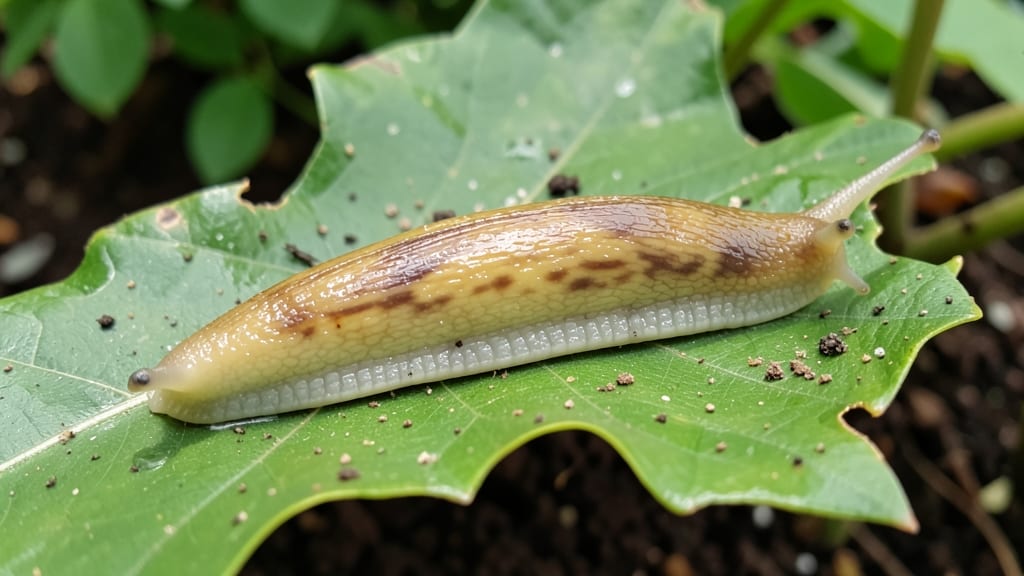
Giant garden slugs turn your thriving lettuce into skeleton leaves overnight. 🌱 I’ve lost count of the times I’ve woken up to shredded hostas and glistening trails of slime—until I discovered these 24-hour traps that actually work without chemicals.
The key isn’t just catching them; it’s cutting off their midnight buffet before they even arrive.
Slugs love damp, shaded spots with easy access to tender plants, which is why beer traps and copper barriers fail so often. Instead, I switched to diatomaceous earth rings around pots and grapefruit halves filled with saltwater—both create instant death zones they can’t cross.
The best part? No poison, no harm to bees or worms, just slugs meeting their match before sunrise.
Within 24 hours, you’ll see fewer glistening trails and more intact leaves. The slugs either drown, dehydrate, or get trapped in the sticky sides of their own making. Your hostas won’t look like Swiss cheese anymore, and the snails?
They’ll avoid the area entirely after one bad experience. Here’s exactly how to set up the traps without turning your garden into a warzone.
Works in shade gardens, container setups, and even under fruit trees—just adjust the trap placement based on where you spot the damage. No more waking up to a salad bar for slugs. Let’s get them out of your garden for good.
Why Slugs Become Overwhelming
Giant garden slugs don’t just appear out of nowhere—they’re drawn to your yard by specific conditions that make it the perfect party spot. 🌱🐌 Understanding these triggers helps you address the root cause, not just the symptoms.
Here’s why these slimy invaders show up in droves and how to stop the influx.
Slugs are 80-90% water by weight, so they thrive in moist environments. If your garden feels like a swamp after rain or stays damp for long periods, you’ve got a slug magnet on your hands.
- Why it happens: Slugs can’t survive in dry conditions—they lose moisture through their skin and die within hours. A humid, shady garden with thick mulch or poor drainage creates their ideal habitat.
- Actionable fix:
- ✅ Improve drainage: Raise garden beds slightly or add gravel beneath mulch to let water drain faster.
- ✅ Reduce mulch thickness: Keep it to 1–2 inches; thicker layers trap moisture.
- ✅ Water in the morning: Wet foliage dries by evening, making it less inviting for slugs.
Slugs are nocturnal and avoid direct sunlight. If your garden stays shady or cool after dark, they’ll feast undisturbed until dawn.
- Why it happens: Slugs emerge when temperatures drop below 70°F (21°C) and humidity rises. Dense plantings, tall grass, or structures like decks and sheds create dark, hidden pathways for them to travel.
- Actionable fix:
- ✅ Prune overgrown plants: Thin out foliage to let moonlight and air circulate.
- ✅ Use reflective mulch: Light-colored gravel or diatomaceous earth reflects light, deterring slugs.
- ✅ Install solar-powered lights: Motion-activated lights disrupt their nighttime feeding.
Giant slugs are opportunistic eaters, and if your garden is a buffet, they’ll never leave. Hostas, lettuce, roses, and even young seedlings are their favorite dishes.
- Why it happens: Slugs prefer tender, moisture-rich plants with thin leaves. Overwatered or fertilized gardens (especially with nitrogen) make plants even more appealing.
- Actionable fix:
- ✅ Choose slug-resistant plants: Opt for lavender, rosemary, geraniums, or ferns—slugs avoid their tough textures.
- ✅ Remove plant debris: Decaying leaves and fallen fruit create hiding spots and food.
- ✅ Apply copper tape: A mild electric shock (from their slime) deters them from climbing surfaces.
Slugs need cover to survive daytime heat and predators. If your yard offers plenty of hiding spots, they’ll stick around longer.
- Why it happens: Slugs seek out dark, cool, and damp areas like:
- Under rocks, boards, or dense mulch
- Inside pots, flower pots, or garden tools
- Beneath dense ground cover or tall weeds
- Actionable fix:
- ✅ Clear clutter: Remove piles of wood, bricks, or debris where slugs hide.
- ✅ Use slug barriers: Copper tape around pots or raised beds creates a natural barrier.
- ✅ Encourage predators: Attract birds, frogs, and ground beetles with a diverse garden ecosystem.
💡 Pro Tip: Slugs follow chemical trails left by other slugs. If you see one, there are likely dozens more nearby—act fast to break their cycle!
How to Fix Slug Overruns Fast
Slugs may seem harmless, but a sudden infestation of giant garden slugs can turn your prized plants into a buffet overnight. 🌱🐌 The good news? With the right approach, you can reclaim your garden in 24 hours or less.
Below are targeted solutions based on the root causes—whether it’s moisture, shelter, or food—plus prevention tips to keep them away long-term.
Slugs thrive in damp, shaded areas where they can hide and feed without drying out. If your garden is overly moist, they’ll stick around like uninvited guests.
Fix It:
- 🌧️ Drain Water Quickly: After rain or watering, use a garden fork to aerate compacted soil and improve drainage. Slugs avoid well-drained areas.
- ☀️ Increase Sun Exposure: Trim overgrown plants and thin dense foliage to let sunlight dry out slug highways. Aim for at least 6 hours of direct sun daily.
- 💧 Water Smartly: Water deeply but less frequently—slugs love shallow, frequent moisture. Use drip irrigation to keep leaves dry.
Prevention Tip: 💡 Mulch with caution! Avoid thick organic mulch (like wood chips) near vulnerable plants. Instead, use gravel or straw in a thin layer to reduce humidity at soil level.
Slugs need hiding spots during the day—under boards, rocks, dense plants, or even overturned pots. If they’ve got cover, they’ll keep coming back.
Fix It:
- 🧹 Clear Debris Daily: Remove boards, tarps, and plant debris where slugs might nest. A quick 10-minute sweep in the evening can cut their numbers by 50%.
- 🪨 Elevate Garden Beds: Raise vegetable beds or containers on bricks or cinder blocks to eliminate ground-level hiding spots.
- 🌿 Prune Strategically: Trim low-hanging branches and thick ground cover to break up their shelter network.
Prevention Tip: ✨ Use slug-proof barriers like copper tape (1–2 inches wide) around raised beds—slugs get a mild electric shock and avoid it!
Giant garden slugs are opportunistic eaters, and if your plants are their favorite snack, they’ll keep returning. Starve them out with these tricks.
Fix It:
- 🥬 Choose Slug-Resistant Plants: Swap vulnerable crops (like lettuce, hostas, or impatiens) for slug-deterrent plants such as:
- Lavender (strong scent repels them)
- Geraniums (leaves are unappetizing)
- Thyme or Oregano (herbaceous and tough)
- 🍅 Protect Young Plants: Wrap new seedlings in fine mesh or row covers until they’re established.
- 🌿 Feed Them Elsewhere: Set up a "slug buffet" with beer traps (bury a shallow dish filled with beer) or yeast bait (mix 1 tbsp yeast + 1 tbsp sugar + water in a container). They’ll go for the bait instead of your veggies.
Prevention Tip: 🔥 Harvest regularly! Overripe or fallen fruit/veggies are a slug magnet. Pick produce daily and compost it far from your garden.
If you’ve got a sudden outbreak, you need immediate removal. Here’s how to catch and kill them humanely (or at least efficiently).
Fix It:
- 🍺 Beer Traps (Best for Heavy Infestations):
- Bury a plastic cup or shallow dish in the soil so the rim is flush with the ground.
- Fill with beer, ale, or even grape juice—slugs are drawn in and drown.
- Check traps every 4–6 hours and dispose of them (don’t compost them—they’ll hatch more slugs!).
- 🌙 Nighttime Hand-Picking (Best for Small Gardens):
- Wait until dusk or night when slugs are most active.
- Use a flashlight with a red filter (slugs are less sensitive to red light).
- Drop them in soapy water (1 tbsp dish soap per gallon) to kill them instantly.
- 🐍 Natural Predators (Long-Term Control):
- Encourage ground beetles, birds, and frogs by adding a small water feature or log piles for shelter.
Prevention Tip: ⏰ Act at dusk! Slugs are most active 2–4 hours after sunset—that’s the best time to trap, pick, or spray them.
If you prefer non-toxic solutions, these natural repellents work well when combined with other methods.
Fix It:
- 🌿 Crushed Eggshells or Diatomaceous Earth (DE):
- Sprinkle crushed eggshells or food-grade DE around plants—it cuts their slimy bodies, causing them to dry out.
- Reapply after rain (DE loses effectiveness when wet).
- ☀️ Coffee Grounds:
- Sprinkle used coffee grounds (not instant) around plants—the caffeine is toxic to slugs.
- Bonus: Improves soil fertility!
- 🧂 Salt Barriers (Use Sparingly):
- Create a ring of coarse salt around beds—avoid overuse (it harms soil microbes).
- Works best on paved areas where you don’t want plants growing.
Prevention Tip: 🌡️ Heat is their enemy! Place black plastic sheeting over beds during the day—slugs will bake and retreat underground.
Once you’ve eliminated the problem, stay one step ahead with this weekly checklist:
| Task | Frequency | Why It Works |
|---|---|---|
| Clear debris & mulch | Daily (evenings) | Removes hiding spots |
| Check beer traps | Every 4–6 hours | Catches active slugs |
| Reapply DE/coffee grounds | After rain | Maintains barrier |
| Prune overgrown plants | Weekly | Reduces humidity |
| Harvest fallen fruit | Daily | Stops food attraction |
Final Pro Tip: 🎯 Combine methods for best results! Slugs are smart—they’ll adapt to one solution. Use traps + barriers + repellents together for a slug-free garden in 24 hours.
Frequently asked questions
Why do giant garden slugs leave shiny trails?
Those glistening trails are actually a mucus secretion that helps slugs glide smoothly and retain moisture. The slime also contains enzymes that break down plant cells before they even eat them—so the trail is like their built-in salad dressing! If you notice these trails, check nearby plants immediately for feeding damage.
Can giant garden slugs harm my vegetable garden?
Absolutely—they’re particularly fond of leafy greens, tomatoes, and young seedlings. A single slug can consume half its body weight in a night! They’ll chew irregular holes in leaves and leave behind a telltale slime trail. For heavy infestations, combine beer traps with copper barriers for the fastest results.
Are giant garden slugs dangerous to pets or children?
Not directly, but their slime can irritate skin or eyes if handled. While they’re not poisonous, some slug baits (like metaldehyde) can be harmful to pets if ingested. Always opt for pet-safe methods like diatomaceous earth or beer traps—these eliminate slugs without chemical risks.
How can I tell if I have giant garden slugs vs. snails?
Giant garden slugs lack shells entirely, while snails carry a spiral shell they retreat into. Slugs leave long, straight slime trails, while snails often create wider, more irregular paths with a visible shell mark. Check for these trails at dusk—they’re most active then!
Will rain make slug problems worse?
Yes! Slugs thrive in moist conditions—heavy rain creates the perfect damp environment. After rainfall, check for increased activity and set out beer traps or salt barriers immediately. Watering in the morning (instead of evening) also helps prevent slug magnet conditions.