
Companion Plants
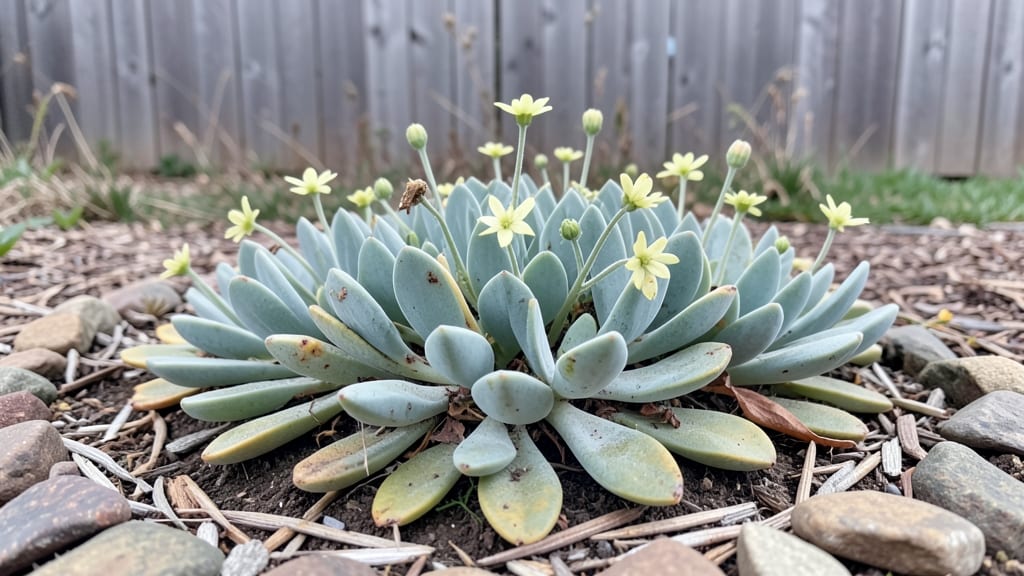
My gravel garden plants start with three foolproof picks that turn dry beds into striking landscapes without a drop of extra water. 🌿 The right plants don’t just survive—they thrive by embracing the gravel’s natural drainage and heat retention, while their textures create visual contrast that feels intentional, not accidental.
Start with sedum (like ‘Autumn Joy’) for bold color and succulent structure, lavender for fragrant purple spikes that hum with pollinators, and Russian sage for airy blue-gray foliage that dances in the breeze.
These trio works in any gravel type—whether you’ve got smooth river rocks or jagged crushed stone—because their deep roots and silvery leaves mirror the mineral tones while demanding almost no care.
You’ll end up with a garden that looks like it belongs in a high-end magazine spread but requires less maintenance than a potted cactus.
The gravel stays cool underfoot, weeds struggle to take hold, and the plants themselves become the stars, their colors popping against the neutral backdrop like a carefully composed photograph.
Bonus: this setup works for slopes (preventing erosion), tight urban spaces (no digging required), and even container gardens (just swap gravel for decorative stones). The key is spacing plants 12–18 inches apart—close enough to fill gaps, far enough to let the gravel’s texture shine through.
📚 In This Guide
- What you need
- Instructions
- Tips and common mistakes
- Wrapping up and next steps
What you need
- ● Gravel: 3–4 inches of decorative pea gravel (½–¾ inch size) or crushed stone (for drainage). Quantity: ~10–15 cubic feet per 100 sq. ft. of garden.
- ● Landscape Fabric: 3–4 mm thick, perforated woven fabric to suppress weeds. Quantity: Slightly larger than your garden area.
- ● Drought-Tolerant Plants: 3–5 perennials, shrubs, or succulents (e.g., lavender, sedum, yucca, or Russian sage). Quantity: 1–3 plants per sq. ft., spaced 12–24 inches apart.
- ○ Mulch (Optional): Wood chips or straw around plant bases to retain moisture.
- ● Shovel & Rake: For digging and leveling.
- ● Wheelbarrow: To transport gravel and soil.
- ● Garden Gloves: Heavy-duty for protection.
- ○ Hose with Nozzle: For watering (drip irrigation is optional but ideal).
- ● Measuring Tape & Stakes: To mark plant spacing.
- ● Pruners: For trimming plants post-planting.
- ● A sunny or partially sunny location (most gravel plants thrive in full sun).
- ● Well-draining native soil (amend with sand if clay-heavy).
- ● Access to water (even drought-resistant plants need initial hydration!).
Step-by-step guide to designing a thriving gravel garden
Here's how to create a striking, low-maintenance landscape using drought-resistant plants that thrive in mineral-rich soil.
🪴 Step 1: Select the Right Plants for Your Gravel Garden
Start with four drought-tolerant species that naturally thrive in well-draining conditions: sedum (for bold foliage), lavender (for fragrance and structure), yarrow (for delicate flowers), and semaphore bush (for year-round interest). These plants not only survive but flourish in gravel's dry, rocky environment.
Choose varieties with silvery, blue-green, or gray foliage—these colors contrast beautifully against gravel while reflecting sunlight to reduce heat stress. Avoid plants with thick, fleshy leaves (like succulents) unless you're creating a dedicated rock garden section, as they can rot in gravel's moisture-retentive pockets.
☀️ Step 2: Prepare the Soil and Gravel Base
Clear the area of weeds and existing vegetation, then lay down 2-3 inches of coarse gravel as a base layer to prevent soil compaction. This layer also improves drainage, which is critical for preventing root rot in gravel gardens. Top with 1-2 inches of finer gravel (pea-sized) for a polished look while still allowing water to permeate.
Mix 1 part compost into the top 6 inches of native soil before adding plants. This amends the mineral-heavy gravel environment with organic matter, giving roots essential nutrients without altering the dry, gritty texture. Test soil pH—most gravel garden plants prefer slightly alkaline conditions (6.5-7.5).
🌱 Step 3: Plant with Proper Spacing and Depth
Dig holes twice as wide as each plant's root ball but only as deep as the root ball itself—planting too deep suffocates roots in gravel's dense environment. Space sedum and yarrow 12-18 inches apart, lavender 18-24 inches apart, and semaphore bush 24-36 inches apart to allow for mature spread without overcrowding.
Backfill with the amended soil, pressing gently to eliminate air pockets. Water deeply immediately after planting to help roots establish in the dry gravel. Use a soaker hose to deliver moisture slowly—avoid overhead watering, which can dislodge gravel and create muddy pockets around plants.
💧 Step 4: Establish a Watering Routine for the First Season
Water once weekly during the first growing season, providing ½ gallon per plant each time. This encourages deep root growth into the gravel's moisture-retentive layers. After the first year, most gravel garden plants will require watering only every 2-3 weeks, depending on rainfall—check by feeling the soil 2 inches below the surface.
Apply 1 inch of mulch (using the same gravel) around each plant after watering to conserve moisture and suppress weeds. This mimics the plant's natural habitat while reducing evaporation. Once established, these plants will thrive on natural rainfall alone in most climates.
✂️ Step 5: Maintain with Minimal Pruning and Seasonal Care
Prune sedum and yarrow in early spring to remove dead foliage and encourage new growth. Cut back lavender lightly after flowering to maintain its compact shape, but avoid heavy pruning—this woody plant regenerates slowly. Semaphore bush requires no pruning unless you're shaping it for a formal design.
Fertilize lightly in spring with a balanced, slow-release granular fertilizer (5-10-5 ratio) to replenish nutrients lost in the gravel's fast-draining environment. Avoid liquid fertilizers—they leach quickly through gravel and waste resources. Monitor for pests; gravel gardens rarely attract insects, but watch for aphids on lavender and treat with neem oil if needed.
Tips & tricks for perfect gravel garden design
A few strategic choices will transform your gravel garden from basic to breathtaking while keeping maintenance to a minimum.
Color Harmony Matters: The silvery-blue-green foliage palette you choose isn't just aesthetic—it's functional. These colors reflect sunlight, reducing heat stress on roots during summer months. For maximum impact, group plants with similar foliage tones together. I've found that pairing lavender's silvery leaves with blue sedum creates a stunning monochromatic effect that feels cohesive and intentional. The contrast against gravel becomes even more dramatic when you include a single pop of chartreuse yarrow for visual interest.
Layering is Key: Don't just scatter plants randomly across your gravel base. Create visual depth by planting taller varieties—like semaphore bush—at the back of your design, with mid-height lavender in the middle, and low-growing sedum and yarrow in the front. This layered approach mimics natural landscapes while preventing any single plant from feeling lost in the gravel's expanse. I've seen designs where the semaphore bush, when mature, completely dominates the space—always plan for mature heights when spacing.
Soil Prep Secret: The 1 part compost to 6 inches of native soil ratio might seem modest, but it's perfect for gravel gardens. Too much compost can create a soggy environment that defeats the purpose of gravel's drainage benefits. I recommend using worm castings instead of regular compost—they're lighter, break down more slowly, and provide targeted nutrients without altering soil structure. This subtle upgrade makes all the difference in establishing strong root systems quickly.
Watering Wisdom: That weekly ½ gallon per plant watering in the first season might seem generous, but it's crucial for encouraging deep root growth into the gravel's moisture-retentive layers. Here's my pro tip: water in the early morning so foliage has time to dry completely before evening. Wet leaves overnight can lead to fungal issues, especially in humid climates. After the first year, you'll notice how dramatically reduced watering needs become—this is when you know your gravel garden is truly thriving.
Pro Tips for Gravel Garden Plants
- A few strategic choices will transform your gravel garden from basic to breathtaking while keeping maintenance to a minimum.
- Color Harmony Matters: The silvery-blue-green foliage palette you choose isn't just aesthetic—it's functional.
- Layering is Key: Don't just scatter plants randomly across your gravel base.
Frequently asked questions
Got questions about creating a stunning gravel garden? You’re not alone! Here are answers to the most common queries to help you design a beautiful, low-maintenance space with ease.
What are the best drought-resistant plants for a gravel garden?
Opt for hardy succulents like sedum or echeveria, tough perennials such as lavender or Russian sage, and ornamental grasses like blue fescue. These thrive in well-draining gravel with minimal watering.
How long does it take for a gravel garden to establish?
Most gravel gardens show noticeable progress within 3–6 months, but full maturity (especially for perennials) may take 1–2 years. Focus on mulching and watering deeply in the first year to speed up root growth.
Do gravel gardens need irrigation, or can they survive on rain alone?
While some plants (like sempervivum) tolerate rain-only conditions, others—especially in hot climates—benefit from occasional deep watering (every 2–4 weeks). Drip irrigation or soaker hoses work best to avoid runoff.
Are gravel gardens prone to pests or weeds?
Gravel discourages weeds but may attract ants or earwigs. Use organic mulch rings around plants and remove debris regularly. Pre-emergent herbicides (applied sparingly) can help, but hand-pulling is often easier.
Can I mix gravel with other materials, like bark or sand?
Combine 3–4 inches of gravel (for drainage) with 1–2 inches of bark or sand (for texture and moisture retention). Just ensure the mix stays well-draining—avoid heavy clay-based amendments.
How do I protect gravel garden plants in winter?
Most drought-resistant plants handle frost, but tender succulents or tropicals need mulch or frost cloth. Group plants with similar needs, and avoid overwatering—wet gravel can freeze and damage roots.
Wrapping up and next steps
Creating a gravel garden is all about blending beauty with practicality—and you’ve got the perfect tools to make it happen! 🌿 From drought-resistant perennials to striking succulents, these plants bring texture, color, and minimal fuss to your outdoor space.
Whether you’re a seasoned gardener or just starting out, the right choices will transform your landscape into a low-maintenance oasis that thrives with ease.
Ready to take the next step? Sketch your design, gather your plants, and start layering! Grab a shovel, pick your favorites, and watch your gravel garden come to life—one stunning, stress-free plant at a time. 🌟