
Companion Plants
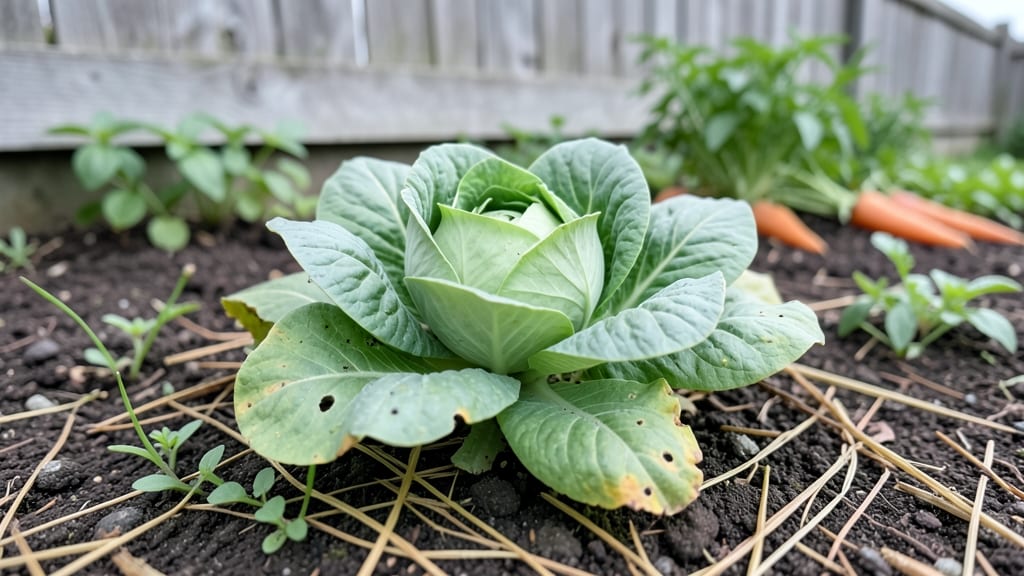
My first garden plants were sunflowers and basil—both stubbornly alive despite my overwatering and forgetfulness. 🌻 The right beginner plants don’t just survive; they reward even the most hesitant green thumbs with bold blooms and bountiful harvests without demanding perfection.
Start with zinnia seeds (they self-sow like weeds) or lettuce (harvest in 30 days), both forgiving of irregular watering. Herbs like thyme or parsley thrive in pots, while marigolds repel pests naturally. These picks handle partial shade, occasional drought, and even my tendency to ignore them for weeks.
You’ll end up with a garden that looks lush and intentional—not a patchwork of dead zones. Zinnias tower over paths, basil leaves scent the air, and tomatoes ripen even when you forget to water them. The secret? Choosing plants that outgrow your mistakes before they outgrow your space.
Works for containers, raised beds, or in-ground plots—no fancy tools or greenhouses required. Let’s pick the perfect starter lineup for your first season.
📚 In This Guide
- What you need
- Instructions
- Tips and common mistakes
- Wrapping up and next steps
What you need
- ● Beginner-friendly plants (5–10 varieties): Herbs: Basil, mint, parsley (3–5 plants each)
- ● Vegetables: Cherry tomatoes, lettuce, radishes (2–3 plants each)
- ● Flowers: Marigolds, sunflowers, or snapdragons (3–5 plants)
- ● Companion plants: Nasturtiums (for pest control) or borage (for pollinators)
- ● Containers or garden bed: Containers: 5–10-gallon pots (1 per plant) with drainage holes
- ● Garden bed: Raised bed (4’x8’) or in-ground plot (minimum 3’x6’)
- ● Soil: High-quality potting mix (1 bag per 2–3 plants) or garden soil amended with compost (5–10 lbs)
- ● Seeds or seedlings: Pre-started seedlings (easier for beginners) or seeds (if starting from scratch)
- ● Watering supplies: Watering can (1–2 gallons) or hose with adjustable nozzle
- ○ Drip irrigation kit (optional but helpful for consistency)
- ● Basic tools: Trowel (for planting/transplanting)
- ● Garden gloves (1 pair for protection)
- ● Pruners (small bypass pruners for trimming)
- ● Measuring tape or ruler (for spacing plants)
- ● Mulch (straw or shredded leaves) to retain moisture and suppress weeds
- ● Fertilizer: Slow-release granular (e.g., 10-10-10) or organic compost tea
- ● Plant labels (to track varieties and watering needs)
- ● Sunlight meter (to check light exposure in your garden spot)
- ● Pest control: Neem oil spray or companion plants like marigolds
Step-by-Step guide to selecting and planting low-maintenance beginner garden plants
Here’s how to choose and establish four resilient, fuss-free plants that reward beginners with minimal effort.
🌱 Step 1: Choose the Right Plants for Your Conditions
Start with succulents (like sedum or echeveria), herbs (such as thyme or oregano), mosses (for shady spots), and sun-loving perennials (like lavender or catmint). These tolerate neglect, require little water, and thrive in average soil. Check your sunlight: succulents need full sun, while mosses and thyme do well in partial shade. I always test a spot for 6+ hours of sun before selecting plants—this prevents disappointment later.
Skip fussy annuals like impatiens or tomatoes for now. Instead, focus on plants that reward patience with long bloom times (lavender) or year-round foliage (thyme). Visit a local nursery and ask for "drought-tolerant" or "beginner-friendly" labels—those are your best clues. I’ve found that lavender and sedum rarely need deadheading, while thyme and moss spread easily without babying.
🪴 Step 2: Prepare the Soil and Planting Spaces
Clear weeds and loosen the top 6 inches of soil with a garden fork. Amend heavy clay or sandy soil with 2 inches of compost—this improves drainage and nutrient retention without fuss. For containers, mix potting soil with 20% perlite to keep roots aerated. I avoid garden soil in pots because it compacts and suffocates roots over time.
Dig holes twice as wide as the root ball but only as deep as the container’s drainage holes. Gently tease apart roots if they’re circling tightly—this encourages outward growth. Place each plant so the top of the root ball sits level with the soil surface (never buried deeper). Water deeply after planting to settle the soil and eliminate air pockets.
☀️ Step 3: Water and Mulch for Long-Term Success
Water deeply once a week (or more in extreme heat) until the top 2 inches of soil feel moist. Succulents and lavender need less; thyme and moss prefer slightly moister soil. I use a soaker hose or drip irrigation to avoid wetting leaves, which reduces disease risk. Let the soil dry slightly between waterings—this strengthens roots and prevents rot.
Spread 1-2 inches of mulch (like shredded bark or straw) around plants, keeping it 2 inches away from stems to prevent moisture buildup. Mulch conserves water, suppresses weeds, and regulates soil temperature. Replenish it annually or when it breaks down. I’ve seen thyme and moss thrive with zero additional water after the first month once mulched properly.
✂️ Step 4: Prune and Maintain for Healthy Growth
Trim back dead or leggy growth in early spring to encourage bushier plants. For lavender, cut back one-third of the stems after flowering to maintain shape. Succulents rarely need pruning—just remove any brown or damaged leaves. I prune thyme lightly after harvest to keep it compact. Use clean, sharp shears to avoid tearing stems.
Fertilize lightly once in early spring with a balanced, slow-release fertilizer (like 10-10-10). Over-fertilizing leads to weak growth or leaf burn. Monitor for pests—aphids or spider mites occasionally appear, but a strong spray of water usually clears them. These plants are tough; they’ll bounce back quickly if you act early.
🌿 Step 5: Enjoy and Expand Your Garden
Once established, these plants need almost no maintenance. Succulents and lavender will spread gradually, while thyme and moss fill in gaps naturally. Take cuttings from healthy stems to propagate new plants—this is how I’ve expanded my garden without spending a dime. Watch for new growth at the base of perennials; this signals they’re thriving.
By next season, you’ll have a low-fuss, self-sustaining garden that attracts pollinators and requires minimal time. The key is patience and consistency—skip the daily checks and focus on seasonal adjustments instead. Before you know it, you’ll be confident enough to tackle slightly more demanding plants.
Tips & tricks for perfect low-maintenance beginner garden plants
These simple strategies will help you avoid common pitfalls and maximize success with your resilient garden plants.
Location Intelligence: Before planting, observe your garden for at least a week to map sunlight patterns. Succulents need that 6+ hours of full sun mentioned in Step 1, but even small variations can make the difference between thriving and struggling plants. I've seen sedum plants wilt dramatically when moved from morning sun to afternoon heat—test spots before committing. Mark your garden with stakes to track sun exposure throughout the day.
Soil Prep Shortcut: For containers, I've found that mixing potting soil with 20% perlite creates the perfect lightweight medium. The perlite prevents compaction and improves drainage, which is especially critical for thyme and moss that prefer slightly moister conditions. Pro tip: Add a handful of worm castings to your potting mix for an extra nutrient boost without over-fertilizing.
Watering Wisdom: The once-a-week deep watering in Step 3 works best when done consistently. Use a moisture meter to check that top 2 inches of soil are moist—this prevents both underwatering and overwatering. For succulents, I've found that watering in the morning gives them time to dry out during the day, reducing rot risk. A simple rain gauge helps track your watering schedule more accurately than guesswork.
Mulch Mastery: That 1-2 inches of mulch around your plants isn't just decorative—it's your secret weapon against weeds and moisture loss. I like to use shredded bark because it breaks down slowly and improves soil structure over time. The key is keeping it 2 inches away from stems to prevent moisture buildup that can cause rot. Replenish it annually or when it decomposes completely.
Pro Tips for Beginner Garden Plants
- These simple strategies will help you avoid common pitfalls and maximize success with your resilient garden plants.
- Location Intelligence: Before planting, observe your garden for at least a week to map sunlight patterns.
- Soil Prep Shortcut: For containers, I've found that mixing potting soil with 20% perlite creates the perfect lightweight medium.
Frequently asked questions
Got questions? You’re not alone! Here are answers to the most common queries about starting your garden with low-maintenance plants. Whether you're wondering about timing, care, or troubleshooting, we’ve got you covered.
What are the easiest plants for a beginner with no gardening experience?
Start with succulents, herbs like basil or mint, or hardy veggies such as lettuce and radishes. These thrive with minimal attention, forgiving mistakes, and grow quickly—perfect for building confidence!
When is the best time to plant beginner-friendly garden plants?
Most plants love spring or early fall when soil is warm but not scorching. Cool-season crops (like spinach) can go in late summer or early spring, while warm-season plants (like tomatoes) need after the last frost. Check your local frost dates for precision!
How often should I water beginner garden plants?
Water deeply 1-2 times per week (more in extreme heat), but avoid soggy soil. Succulents and herbs need less; leafy greens prefer consistent moisture. A good rule: Water until it drains through the soil—no guesswork!
What do I do if my beginner plants get pests or diseases?
Start with neem oil or insecticidal soap for pests like aphids. Remove affected leaves, improve airflow, and avoid overwatering. Most issues stem from stress—soil health and sunlight matter more than you think! (Pro tip: Companion planting—like basil with tomatoes—can deter pests naturally!)
Can I grow beginner plants in containers or just in the ground?
Herbs, lettuce, and strawberries thrive in pots (just ensure drainage). Containers are great for small spaces or renters. Use well-draining soil and match pot size to plant needs—smaller pots dry out faster!
Wrapping up and next steps
Starting a garden as a beginner doesn’t have to feel overwhelming—especially when you choose the right plants!
From hardy herbs like basil to resilient veggies like zucchini, these low-maintenance picks are perfect for building confidence and reaping rewards. 🌱 Whether you’re working with limited space or a busy schedule, these plants prove that green thumbs aren’t required—just a little patience and care.
Now that you’re armed with the best beginner-friendly options, it’s time to roll up your sleeves and get growing! Start small—plant a few favorites, observe what thrives in your space, and let your green journey unfold. Happy gardening! 🌿