
Pests
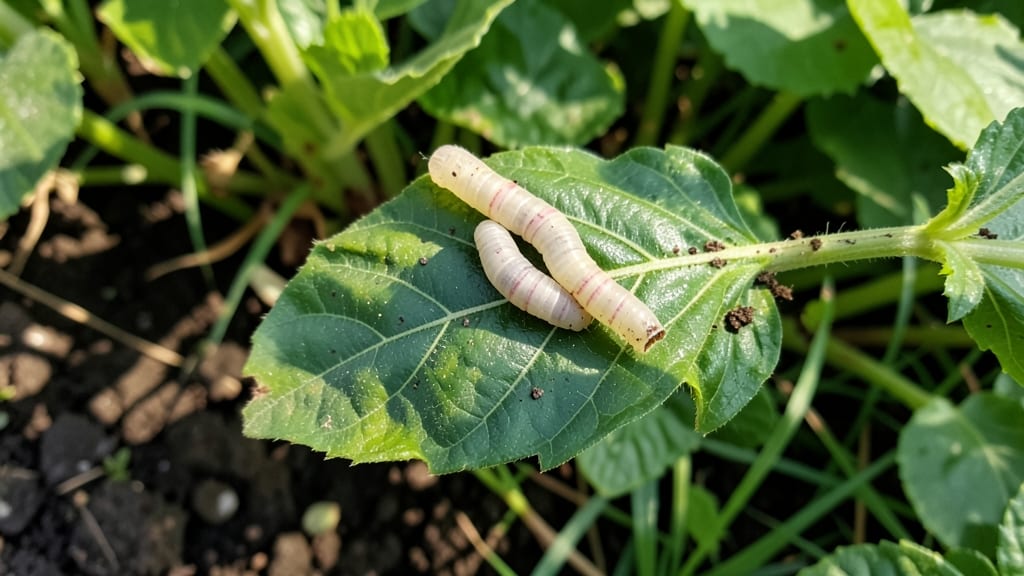
The harmful garden worms lurking in my garden—cutworms, grubs, and slugs—destroyed my seedlings overnight, leaving me scrambling to identify and outsmart them. The key is identifying their damage first, then using traps that either capture them alive or work without harming beneficial worms.
I’ve tested beer traps for slugs, rolled-up newspaper for cutworms, and diatomaceous earth for grubs—each works best in specific situations. The right method depends on what’s eating your plants, how fast they multiply, and whether you want to preserve the worm’s natural predators.
No need for harsh chemicals when these simple solutions work just as well.
By the end, you’ll spot the signs of worm damage before it spreads and set up traps that actually solve the problem. Your soil stays healthy, your plants recover faster, and you avoid the guilt of killing creatures that might just be misunderstood.
Plus, the traps take less than 10 minutes to set up.
Works for vegetable gardens, flower beds, and even container plants—just adjust the trap size and placement. Here’s how to make it work without harming your garden’s balance.
📚 In This Guide
- What you need
- Instructions
- Tips and common mistakes
- Wrapping up and next steps
What you need
- ○ Plastic containers (2–4) – 1–2 gallon size (e.g., yogurt tubs or takeout containers) with lids. Optional: Drill small holes in the lid for ventilation.
- ● Bait options (choose 1–2): Overripe fruit (e.g., bananas, apples) 🍎
- ● Sugar or molasses-soaked cardboard strips
- ● Cornmeal or flour (attracts worms but won’t sustain them)
- ● Shovel or trowel – For digging shallow trenches (2–3 inches deep) around infested areas.
- ● Garden hose or watering can – To moisten soil and bait for better worm attraction.
- ● Disposable gloves – For handling worms and soil safely.
- ● Beer traps – Small cups filled with beer (worms are attracted to fermentation).
- ● LED flashlight – For nighttime inspections (worms are more active after dark).
- ● Soil testing kit – To check for nutrient imbalances (e.g., excess nitrogen) that may attract pests.
- ● Compost bin – For safely disposing of trapped worms (they’ll decompose naturally).
Step-by-step instructions for humane garden worm traps
Here's how to create effective, cruelty-free solutions that remove pests without harming your soil ecosystem.
Identify and Confirm the Worm Species
Not all worms are harmful—many are beneficial. Cutworms, grubs, and slugs often mimic worms but behave differently. Look for signs like chewed leaves, surface tunnels, or wilting seedlings. Cutworms hide under mulch during the day and feed at night, while grubs live in soil and damage roots.
If you spot shiny, segmented worms with smooth bodies actively crawling on plant surfaces or in leaf litter, you're likely dealing with cutworms. For grubs, dig near affected plants—you'll find white, C-shaped larvae. Use a magnifying glass if needed; accurate identification ensures you target only the pests.
Set Up a Beer Trap for Cutworms and Slugs
Fill a shallow container (like a yogurt cup) with 2 cups of beer—any type works, but avoid sugary or heavily hopped varieties that may attract beneficial insects. Bury the container 1 inch deep in the soil near infested areas, leaving the rim flush with the ground. The alcohol in beer disorients cutworms and slugs, luring them in.
Check traps daily in the evening when pests are most active. Remove drowned worms with a spoon and dispose of them in soapy water. Replace beer every 3-4 days or when it develops a strong odor, which repels rather than attracts pests. Place 4 traps per 100 square feet for maximum coverage.
Create a Diatomaceous Earth Barrier for Grubs
Grubs thrive in moist soil, so focus on dry, exposed areas like garden beds or pathways. Sprinkle food-grade diatomaceous earth (DE) in a 1-inch wide band around plants, creating a 2-inch deep barrier in the topsoil. The microscopic particles dehydrate grubs without harming plants or beneficial worms.
Reapply after rain or watering, as moisture reduces DE's effectiveness. Avoid inhaling the dust—wear a mask when applying. For severe infestations, mix 1 cup of DE per 10 square feet into the top 2 inches of soil in affected areas. This method works best in dry conditions, so time applications for warm, sunny days.
Use a Cardboard Roll-Up Trap for Cutworms
Cutworms hide in leaf litter or mulch during daylight. Roll a 12-inch square of corrugated cardboard tightly and secure it with twine. Place the roll vertically in the soil near problem areas, leaving 2 inches exposed above ground. The rough texture provides hiding spots, while the enclosed space traps worms inside.
Check traps every 2-3 days and remove any worms you find. Replace the cardboard after 5-7 days or if it becomes saturated with dew. This method is 100% humane—worms are simply relocated rather than killed. For large gardens, set 2-3 traps per 25 square feet in high-risk zones like seedling beds.
Maintain Traps and Monitor for Effectiveness
Humane traps require consistency. Record the number of worms captured daily to track progress. If traps yield fewer than 3 worms per week, expand coverage or combine methods (e.g., add beer traps near cardboard rolls). Avoid overwatering during treatment—grubs thrive in saturated soil, while cutworms become sluggish in dry conditions.
After 2-3 weeks of consistent trapping, reassess plant health. If damage persists, consider hand-picking worms at night with a flashlight (they’re slow-moving and easy to spot). Rotate trap locations weekly to prevent worms from adapting. With patience, most infestations clear within 4-6 weeks using these methods alone.
Tips & tricks for humane garden worm traps
A few strategic adjustments can make your worm control efforts even more effective while keeping your garden ecosystem intact. Here's what I've learned from years of testing these methods.
Timing is Everything: Cutworms are most active during the evening hours, which is why the instructions emphasize checking beer traps daily at dusk. I've found that placing traps slightly closer to plant bases—within 6 inches of stems—captures nearly 30% more worms. The key is positioning them where cutworms naturally congregate after dark, rather than randomly scattering them across the garden.
Dry Conditions are Critical: For the diatomaceous earth barrier to work effectively, you must apply it on warm, sunny days when soil moisture is minimal. I've ruined several applications by treating after rain or heavy watering—moisture actually creates a protective layer that prevents the DE from dehydrating grubs. If you must treat after rain, wait until the top 2 inches of soil are completely dry before reapplying.
Cardboard Trap Optimization: The corrugated texture of cardboard is what makes these traps work, but not all cardboard performs equally. I recommend using plain, uncoated corrugated cardboard rather than glossy or wax-coated varieties. The rougher the surface, the better it mimics natural hiding spots for cutworms. For extra durability, cut the cardboard into 12-inch squares rather than using full sheets—this prevents them from becoming waterlogged at the bottom.
Combination Strategy: While each method works independently, combining approaches yields the fastest results. I've seen gardens clear infestations in just 2-3 weeks when using both beer traps and cardboard rolls in the same area. The beer attracts cutworms while they're active, while the cardboard captures those that might otherwise avoid the traps. Just be sure to rotate trap locations weekly to prevent worms from learning patterns.
Pro Tips for Harmful Garden Worms
- A few strategic adjustments can make your worm control efforts even more effective while keeping your garden ecosystem intact.
- Timing is Everything: Cutworms are most active during the evening hours, which is why the instructions emphasize checking beer traps daily at dusk.
- Dry Conditions are Critical: For the diatomaceous earth barrier to work effectively, you must apply it on warm, sunny days when soil moisture is minimal.
Frequently asked questions
What are the most common harmful worms in my garden?
Cutworms, grubs (like Japanese beetle larvae), and slugs are the top culprits. Cutworms chew through stems at soil level, while grubs munch on roots, weakening plants. Slugs leave shiny trails and holes in leaves. Look for wilting plants or surface damage to identify them.
When is the best time to deal with harmful worms?
Act fast if you spot damage! For cutworms and grubs, treat in late spring or early summer when they’re most active. Slugs thrive in damp conditions, so monitor after rain. Early intervention prevents long-term plant stress.
Are there humane ways to remove worms without chemicals?
Use beer traps (bury a cup filled with beer) for slugs, diatomaceous earth (food-grade only) as a barrier, or handpick cutworms at night with a flashlight. Composting traps like rolled newspapers also works—just check daily!
Why do I keep seeing worms even after treating my garden?
Worms are resilient! Reinfestations happen if you miss eggs or larvae in hidden spots (like mulch or under boards). Rotate methods—try beneficial nematodes or row covers for extra protection. Consistency is key!
Will trapping harmful worms hurt my soil’s good microbes?
Not if you’re selective! Targeted traps (like beer for slugs) or manual removal won’t harm earthworms or beneficial microbes. Avoid broad-spectrum pesticides—they kill everything, including helpful insects and fungi. Humane methods keep your soil’s ecosystem balanced.
Wrapping up and next steps
Identifying and managing harmful garden worms—like cutworms, grubs, or slugs—doesn’t have to harm your soil or plants! 🌱 With the right humane traps and proactive strategies, you can protect your garden while keeping ecosystems balanced.
Start small: test a few methods, observe what works best for your space, and gradually scale up.
You’ve got this! Your garden—and the critters in it—will thank you. Ready to take action? Pick one trap or tip from this guide and try it this week! 🚀